Work from home in comfort: 9 tips to design a cosy yet functional home office
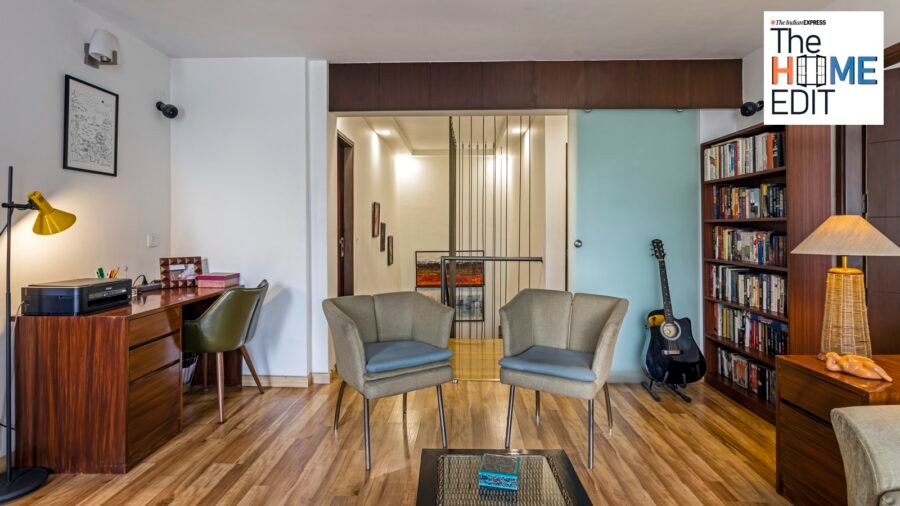
A home library/study/home office is more than a room full of books. It’s a space to think, read, work or just escape the usual routine for a bit of peace and quiet. A well-planned study need not be very large but a well-designed corner, no matter how small, can be a cosy and inspiring space. However, do keep in mind some simple tips of making your space shine:
• Select the proper location
It is best to choose a quiet corner away from the high traffic areas of the house. Natural light and a good view can make the space more inviting and snug.
• Create storage that fits your needs
Books, papers, family collections need a proper storage. Organise your shelves by what you use and want to display in real life. Create a portion which has solid shutters to store files, a separate section for books with glass shutters and a separate space of open shelving.
 Choose a quiet corner away from traffic noise. (Source: Design Consortium)
• Ensure the furniture is comfortable
A nice chair with a foot rest / a recliner and a functional desk with a high-back chair can make all the difference. It’s important to be comfortable, especially if you are going to be there for hours. A couch is avoidable and a television is a no-no. If you want to watch news, watch it online, ditch the television, use your laptop.
• Include personal touches
Artwork, plants, photographs or objects you have collected over time can help make the space feel more your own. You can create a collage of your travel pictures or a pin-up board of literary events that you have attended. Even framed graduation certificates, alumni photographs add an authentic charm to such a space.
• Keep the space informal
A study should be good for concentration and calm, a space you feel you belong to. Too many distractions make it hard to concentrate, and a very formal and studious look will take away the cosiness in a home library.
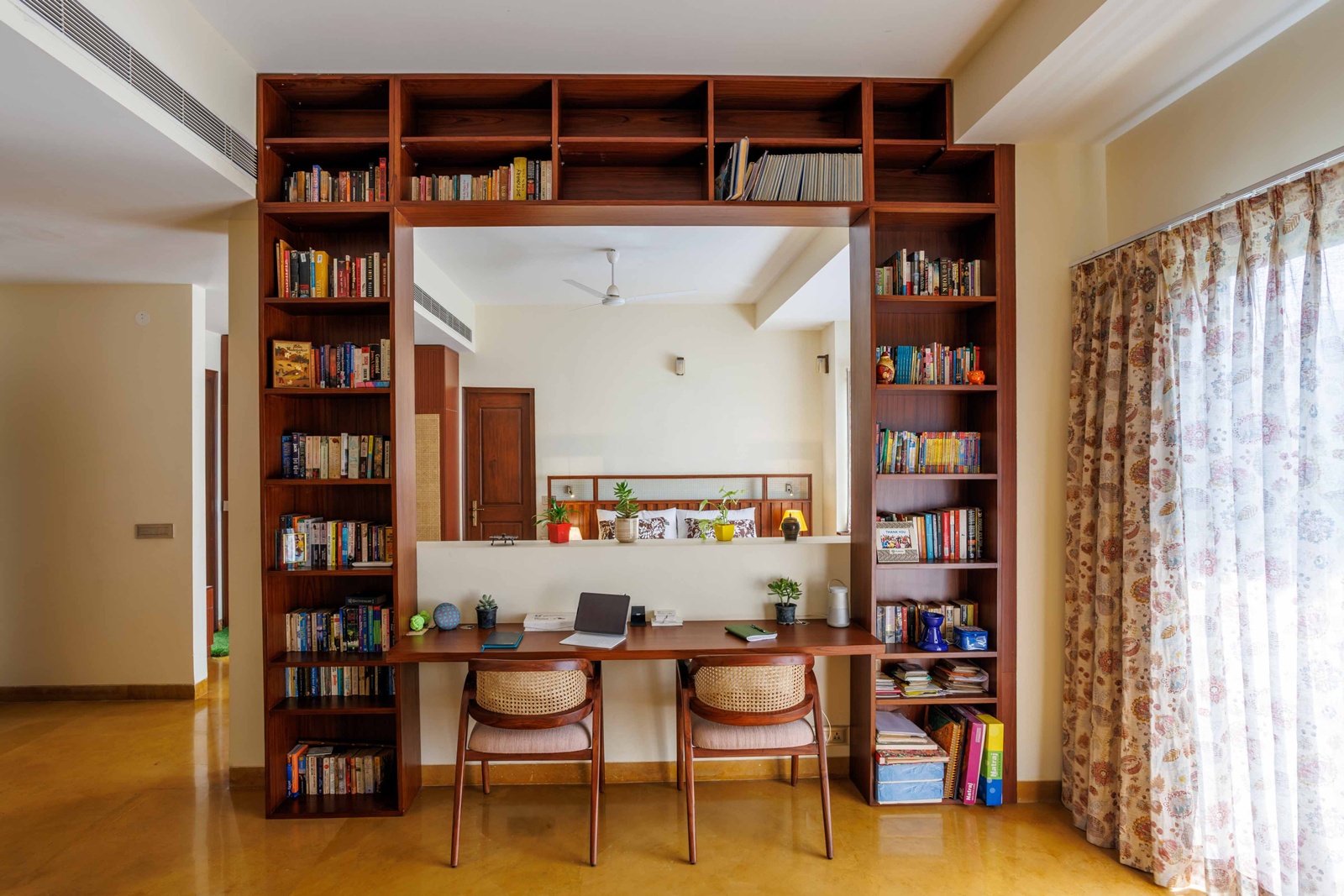 Think about charging points, internet connection and enough surface to do your daily tasks. (Source: Design Consortium)
• Don’t forget to give lots of room
Placing furniture or shelves on every corner can make the space feel heavy, hence leave room to breathe. An ideal study or library or home office should be uncluttered.
Story continues below this ad
• Be intentional about ventilation
Books and wooden furniture should be stored in a dry, well-ventilated place if they are to remain in good condition. Hence, make sure there is enough natural ventilation and don’t forget to air the space regularly.
• Stay charged
If you work from the space, think about charging points, internet connection and enough surface to do your daily tasks. A small counter for a coffee machine and some quick handy snacks ensures that you are self-sufficient once you’re there.
• Don’t design it for trends only.
The best study is the one that suits your habits, whether you like reading, writing, working or quiet time. It is a space to be enjoyed regularly, your “me-space” to unwind.
Nilanjan Bhowal is principal architect, Design Consortium, which follows and promotes environment friendly and sustainable green branding practises. With over 30 years of architectural expertise, they have done projects across India, ranging from residences and institutions to hospitality and urban design.

A smoke and mirrors summit in which Xi emerged with the upper hand
By Sohail Khan · 28 Sep
Why must a woman always trade curiosity about the world for safety?
By Sohail Khan · 28 Sep
Best places in India to see tigers in the wild
By Sohail Khan · 28 Sep