Why wild animals attack humans — and what makes one a ‘man-eater’
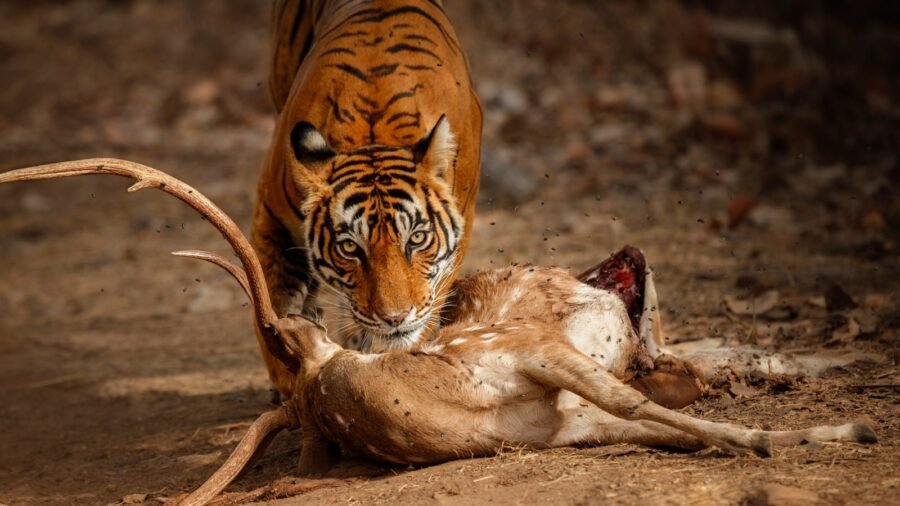
Wild animal attacks often make headlines, but an encounter between humans and wildlife does not automatically mean an animal has developed a taste for human flesh. A BBC Future report examining why wild animals attack humans notes that such encounters can have different triggers, including animals defending themselves or their young, protecting territory, or responding to perceived threats.
Agreeing, wildlife photographer and environmentalist Indrajit Ghorpade says it is important to distinguish between an animal that has attacked a human and a genuine “man-eater”. According to him, the latter refers to an animal that repeatedly preys on humans as part of its behaviour, rather than an isolated incident.
What makes an animal a ‘man-eater’?
“Man-eating animals are individuals that prey on humans as a pattern of their behaviour,” Ghorpade explains.
He says several factors can drive such abnormal behaviour. Injury or illness, loss of natural prey and increasing interaction with human settlements can all play a role.
One historical example is the Champawat tiger, which was reported to have killed hundreds of people before being shot by hunter and conservationist Jim Corbett. Ghorpade notes that the tiger was found to have lost its upper and lower canines, which would have made hunting its natural prey difficult.
“Thus unable to hunt natural prey. And depended on humans for food,” he tells indianexpress.com. However, not every animal that kills a person should be classified as a man-eater.
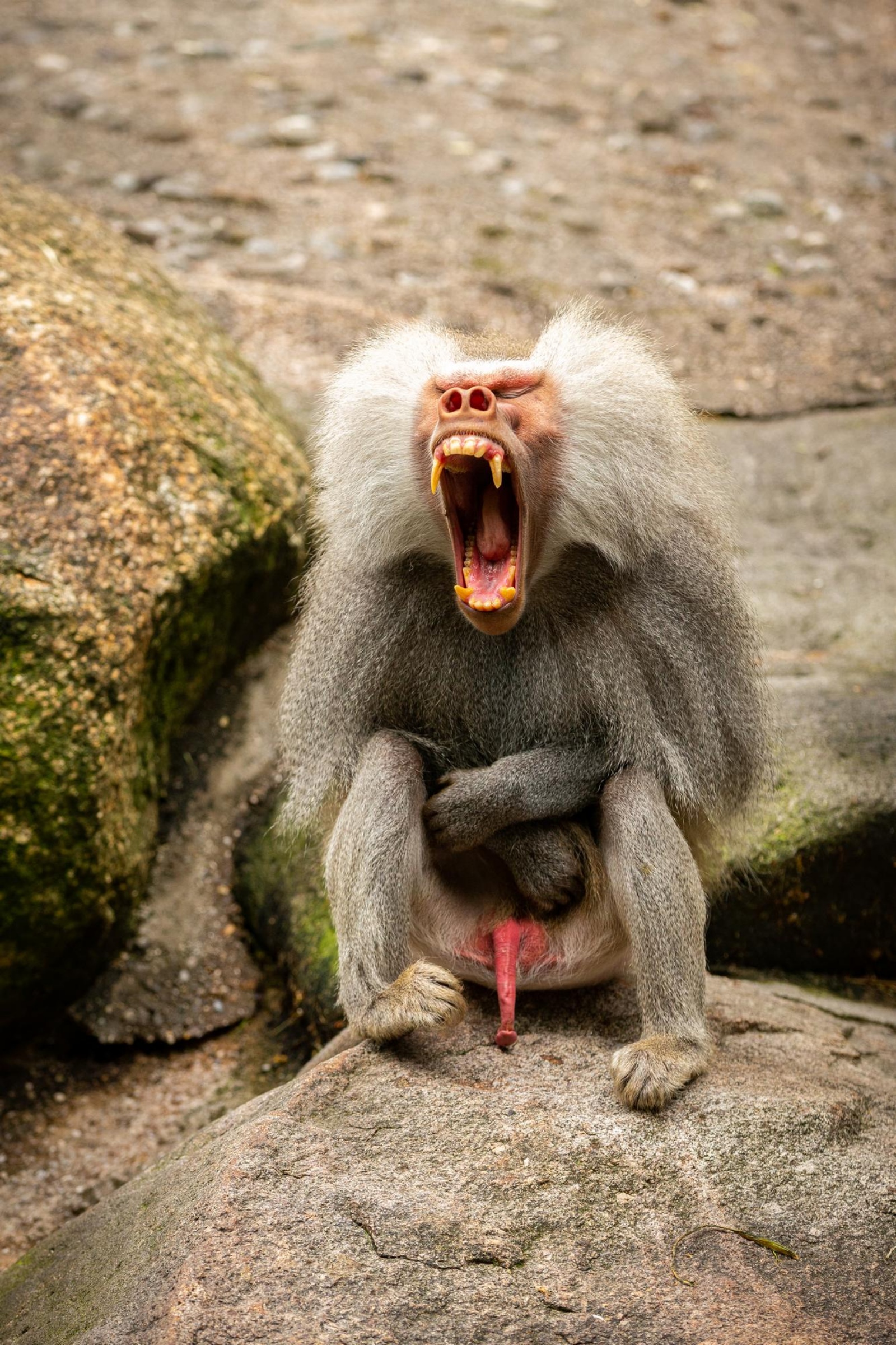 Are all animals man-eaters
An attack does not always make an animal a man-eater
Ghorpade points out that scavenging on human corpses, isolated attacks and incidents involving self-defence should not automatically be described as man-eating behaviour.
Story continues below this ad
“There are many reasons that they are wrongly labelled maneaters. Like man-animal conflict, human dominated landscapes, loss of prey, injury or sickness,” he says.
This distinction matters because wild animals can attack humans without developing a pattern of hunting them for food. A leopard defending itself, a bear surprised at close range or a crocodile attacking near a riverbank may all be dangerous situations, but they do not necessarily indicate that the animal has become a habitual predator of humans.
What should be done when an animal poses a threat?
There is no single response that can apply to every human-wildlife conflict. Ghorpade says such cases should be assessed individually.
“They must be handled on a case-to-case basis. And killing them should be the last resort,” he says. Where an animal repeatedly targets humans and poses an ongoing danger to people and settlements, authorities may need to intervene. But determining whether an animal is actually exhibiting habitual man-eating behaviour is important before taking such a step.
Story continues below this ad
Ultimately, the presence of a dangerous animal does not necessarily mean that wildlife is deliberately targeting humans. Understanding why an attack occurred, whether it was defensive or predatory, and whether there is a repeated pattern can help distinguish genuine man-eaters from animals caught in increasingly frequent human-wildlife encounters.
Explore more captivating stories about pets and animals here, and make us your daily stop for the latest from the animal kingdom.

Malaika Arora, 52, reveals a dietary staple she refuses to skip: ‘I can’t have salads’
By Sohail Khan · 28 Sep
A smoke and mirrors summit in which Xi emerged with the upper hand
By Sohail Khan · 28 Sep
Why must a woman always trade curiosity about the world for safety?
By Sohail Khan · 28 Sep