Why boiled eggs turn grey and whether they are still safe to eat
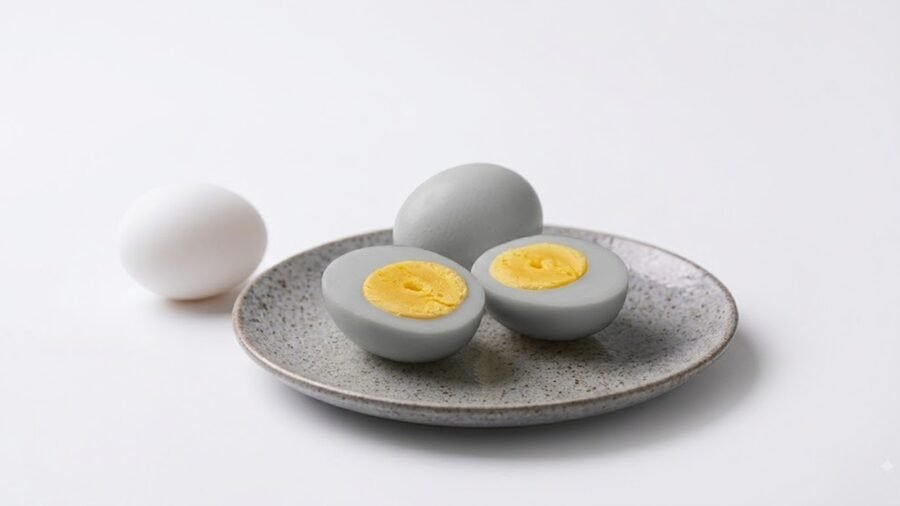
If you’ve ever peeled a boiled egg and seen a greyish or green ring around the yolk, you may have wondered whether it’s safe to eat or better to discard it. We asked this common query to Dt Amreen Sheikh, chief dietitian, KIMS Hospitals Thane, who said that there’s usually no need to panic. “Most of the time, this discolouration happens because the egg was overcooked. When an egg cooks too long or at a high temperature, the sulphur in the egg white reacts with iron in the yolk, creating iron sulphide. This results in the familiar grey-green ring around the yolk,” said Sheikh.
Importantly, the colour change itself does not mean the egg has gone bad. “If the egg was fresh before cooking, cooked correctly, and stored properly, the grey ring is typically harmless, and the egg is safe to eat. The main drawback is that overcooking can make the yolk drier, firmer, and a bit less enjoyable in texture,” noted Sheikh.
Story continues below this ad
To avoid this, cook the eggs just until they are set, then transfer them to cold or ice water. “This halts the cooking process and makes them easier to peel. Try not to leave eggs boiling for much longer than necessary,” said Sheikh.
From a food safety standpoint, how you store the egg matters more. “A boiled egg left at room temperature for too long, one with a strange rotten smell, slimy texture, or other signs of spoilage should not be eaten, regardless of whether the yolk has a grey ring,” emphasised Sheikh.
 Here’s what you should note
Eggs provide high-quality protein and nutrients like vitamin B12 and choline. “Therefore, the grey ring is not a reason to avoid eggs; it typically just indicates that the egg cooked a little too long,” said Sheikh.
So, while a grey-green ring around a fresh, properly stored boiled egg is usually harmless, discard it if there is a bad smell, unusual texture, or uncertainty about storage.
Story continues below this ad

Kochi Is changing the way it dates, talks about sex and relationships
By Sohail Khan · 26 Sep
Post-World War II norms cannot fix today’s problems
By Sohail Khan · 26 Sep
A bronze medal, quiet gains in table tennis
By Sohail Khan · 26 Sep