Vaibhav Sooryavanshi must learn to bat in different gets in red-ball matches: Coach
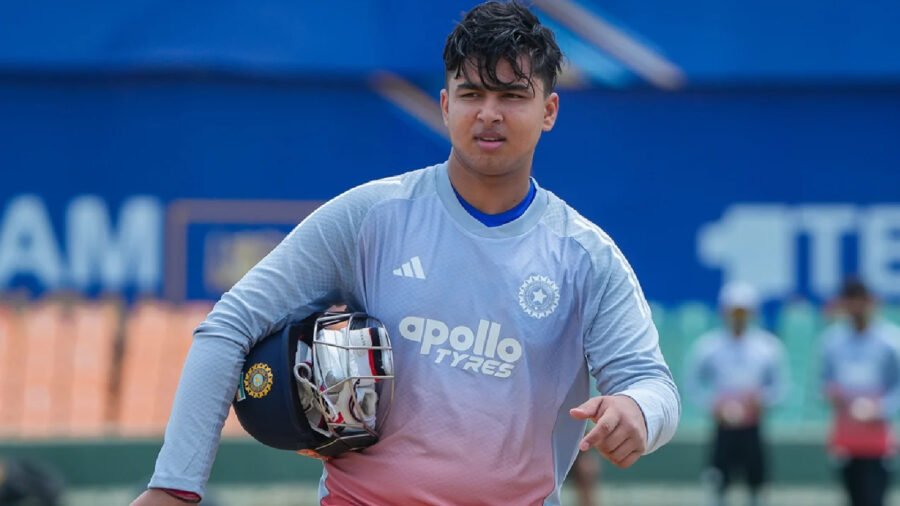
Vaibhav Sooryavanshi returns to the BCCI’s Centre of Excellence (CoE), the place where his destiny changed.
During the 2024 off-season, the junior selection panel, then headed by Tilak Naidu were short-listing players for a camp with an eye on the 2026 Under-19 World Cup. Naidu & his team were in two minds, given that Sooryavanshi was just 13 years old. But BCCI’s head of cricket VVS Laxman gave his approval. Sooryavanshi would join the camp and by September that year would hit a century in a Youth Test against Australia in Chennai.
It is exactly two years since Sooryavanshi turned up for that camp at the CoE. On Sunday when he walks out for East Zone in the first round fixture of the Duleep Trophy against North East Zone, he will do so as a completely different player. He has won the Under-19 World Cup. Has set the IPL stage on fire in successive seasons. He is already the youngest ever Indian to make an international T20 debut. In the IPL, there is no reputed bowler he hasn’t taken down.
Story continues below this ad
As India’s new domestic season gets underway on Sunday, as has been the case in the tournaments that Sooryavanshi has featured in, the focus is on him. The Question is if he can find big runs in red-ball cricket.
The signs are encouraging. Much before he made headlines in the IPL, in the Youth Tests, Sooryavanshi showed he can score runs at a rapid pace. Apart from a century against Australia at Chepauk, he has one at Brisbane’s Ian Healy Oval as well. Of course, when it comes to first-class cricket, where he has featured in 8 matches, he has only one fifty to show and has an average of 17.25.
The road to India’s T20I team may have happened at a breakneck speed, but the same can’t be said about his entry into the Test side. For at 15, Sooryavanshi still remains at a developmental stage as a batsman, still taking the baby steps.
Story continues below this ad
“When it comes to T20s, he got an opportunity to play a lot of white-ball matches. In white-ball cricket, because he was able to score quickly, he was able to get into the Indian team quickly, but when it comes to making it to India’s Test team there is plenty to travel for Sooryavanshi,” Manish Ojha, who is Sooryavanshi’s childhood coach, tells .
Having coached Sooryavanshi from the start, Ojha knows the batsman inside out. While the ambition all along has been to make him a Test batsman, Sooryavanshi’s style of game happened to be a reflection of the era he has grown up. “From the time he started, much of his practice has happened against the red-ball. The white-ball came up much later. So I don’t see him not adapting to play red-ball cricket. But how quickly he adapts is the key. White-ball cricket is different,” Ojha says.
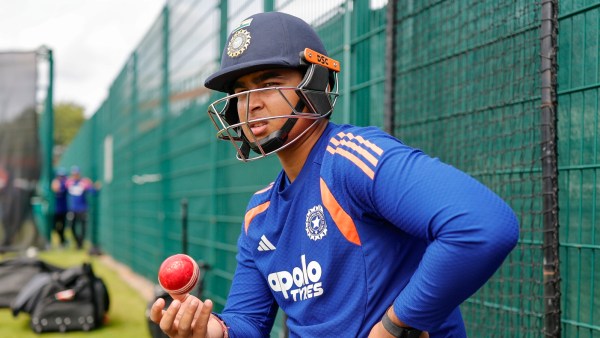 Vaibhav Sooryavanshi is the youngest India to play international cricket for India, male or female. (BCCI/Creimas Photo)
Those who have been keeping a close tab on him from junior to senior level, point out one interesting aspect. Even in the IPL or in the limited internationals he has featured in, he has seldom been dismissed fishing outside off-stump or caught in the slip cordon. Of course, the short deliveries have troubled him, but he is a teenager who has shown he can learn quickly from the mistakes and adjust accordingly. While Sooryavanshi’s game is built on aggression, if he can counter the red-ball, which moves more than the white ball, he can make life difficult for bowlers, like Virender Sehwag did in Test cricket.
Constructing an innings
“The biggest adjustment he has to make will be on the mental side. In white-ball cricket, he is hitting every ball. You can’t have a similar approach against the new ball. You have to wait for the right deliveries and minimise the risk. He has to learn to ride the wave, bat in different gears and learn the art of constructing an innings. Show the world, you can play 300 deliveries. This is the exposure he needs to gain from red ball cricket before we think of his next step,” Ojha says.
Story continues below this ad
While the North East Zone may not offer him a bigger challenge, in the coming rounds, stern tests await him. With India having a busy T20 calendar, how many Ranji fixtures Sooryavanshi will be able to turn up for remains a question. And Ojha wants to remind us of an important message. “He is only 15, so he needs time to develop. Making the India Test team won’t be easy. Nowadays you play a lot of T20s, but in Duleep and Ranji he might get only 7-10 matches a season. And in those matches, you have to consistently score centuries and double centuries to be in the reckoning. And it has to happen for two-three years consistently. It will be up and down. He needs patience and even the rest of the world.”
Gautam Gambhir on India’s recent Test results: ‘We are not struggling’
By Sohail Khan · 22 Aug

Mumbai Indians appoints Zubin Bharucha as Director of Performance
By Sohail Khan · 22 Aug
Leave a Reply