Unlocking soft power with Saptadhara
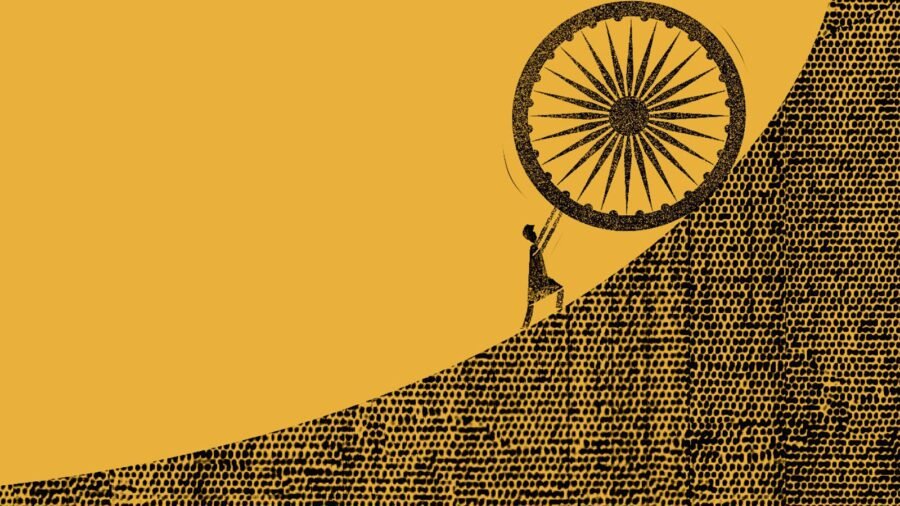
Prime Minister Narendra Modi introduced Saptadhara from the Red Fort on August 15. This concept includes seven streams of national strength that can help India achieve its Viksit Bharat goal. One of these is soft power. Coined by Joseph S Nye Jr, soft power is about influencing others through admiration instead of coercion. India has a wealth of soft power, including a long civilisational history, rich cultural diversity, and a strong tradition of knowledge. Yoga connects people worldwide with India. Ayurveda provides a philosophy of wellness. Our spiritual centres draw people seeking peace, and our festivals celebrate harmony and renewal. Indian literature, music, dance, and cinema transcend languages. Our cuisine is recognised globally. Handicrafts and handlooms reflect the skill and creativity of generations. India’s democracy, scientific progress, digital systems, space programme, and global diaspora further enhance its global reputation.
However, India lacks a coherent system to turn its cultural assets into influence, economic value, and sustainable livelihoods. Having cultural wealth doesn’t guarantee global influence, and appreciation won’t ensure income for artistes or knowledge-holders. The Saptadhara vision offers a chance to fix this gap.
Advertisement
Each district should create a soft power and creative economy plan. This plan should identify local artists, artisans, writers, and cultural workers. It should connect them to training, technology, finance, intellectual property protection, local markets, and international opportunities. Experienced practitioners should mentor young apprentices. The guru-shishya system should receive modern support while staying authentic. Schools and universities should introduce students to India’s cultural diversity.
Soft power can drive significant employment. Areas like tourism, cinema, music, fashion, and education can create millions of jobs. The government should enable this growth. It should invest initially, set standards, connect markets, and be a first customer when possible. Cultural workers should not rely solely on grants but should be empowered to earn regular incomes.
A national mission can aim to create 1 crore new jobs in tourism, arts, media, and the creative economy. Districts should prepare soft-power employment plans. Indian missions abroad should facilitate market access and promote Indian culture and businesses. Success should be measured by real livelihoods created and opportunities gained. Missions can help creators secure opportunities for touring, publishing, and international collaboration. Young people must be central to this movement. They should become creators and innovators. By blending heritage with technology, young Indians can share their stories and cultures with the world through digital platforms and new industries.
Advertisement
India does not need to create soft power; it should enhance, connect, and protect it. The path forward should be clear: Kala (art) to kaushal (skill), kamai (earning) to rozgar (employment), bazaar (market) to vishwa prabhav (global influence). Saptadhara can ensure that those who preserve traditions receive dignified livelihoods and that youth inherit both identity and opportunity. This way, India’s cultural voice will confidently reach the world.
The writer is former governor of West Bengal

Heart attacks in fit women in their 30s and 40s: The hidden risk doctors want you to know
By Sohail Khan · 29 Sep
40 years ago September 29, 1986: Violence and arrests in Punjab
By Sohail Khan · 29 Sep