This Indian village has no doors or locks or theft reports. The secret is a 300-year-old bleeding slab
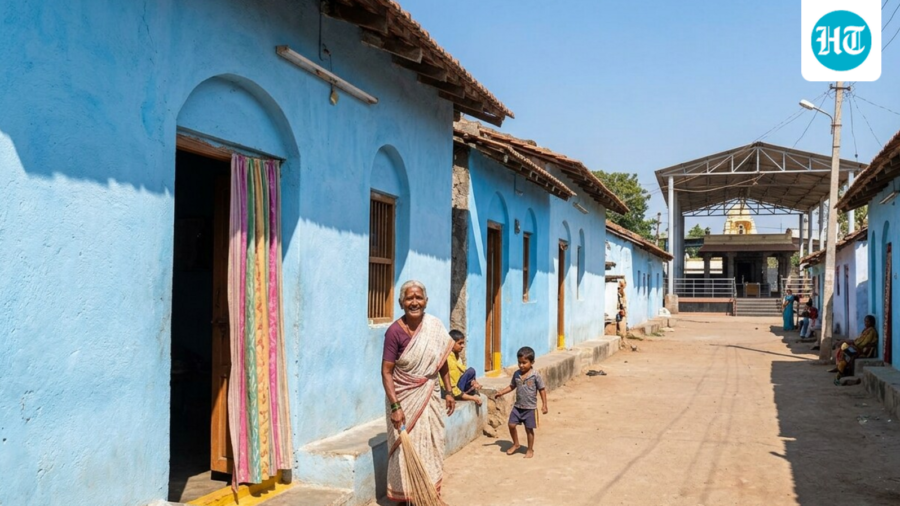
Located in Maharashtra's Ahilyanagar district, residents of Shani Shingnapur village have lived without doors and locks for generations.
Updated on: Aug 25, 2026, 13:21:33 IST
Prefer HTon Google
Share via
Copy link
Imagine living in a village where homes have no front doors, shops can remain unlocked and people do not ask their neighbours to watch their houses when they leave town. This is the tradition of Shani Shingnapur in Maharashtra.
Located in Maharashtra's Ahilyanagar (formerly Ahmednagar) district, Shani Shingnapur is known for its unusual association with Lord Shani, the Hindu deity associated with Saturn and justice. The village has traditionally lived without doors and locks, with residents placing their faith in the deity's protection.
The tradition is linked to a legend that dates back around 300 years.
The legend behind the doorless village
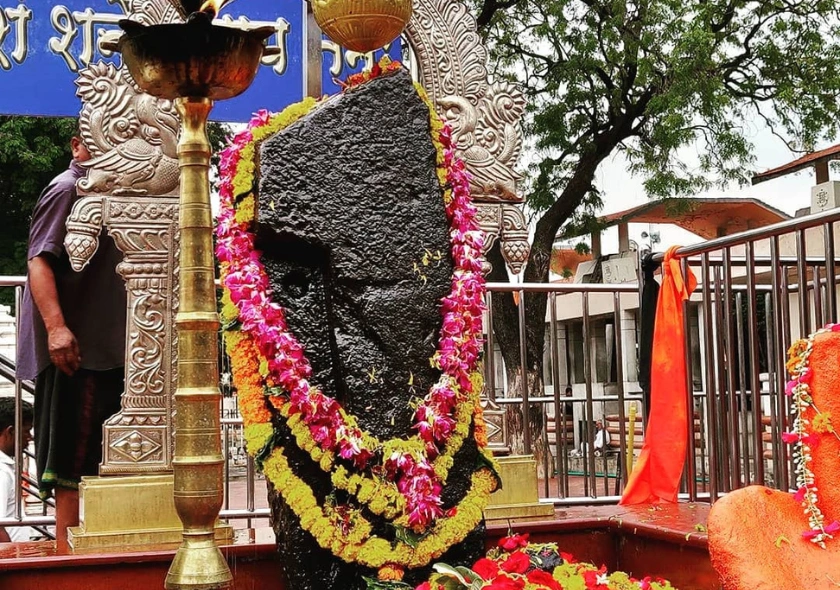
According to folklore, heavy rain and flooding once brought a large black stone to the banks of the Panasnala River. When a local touched the roughly 1.5-metre-long slab with a stick, blood is said to have emerged from it.
That night, Lord Shani appeared in the dream of the village head and revealed that the stone was his idol, according to local legend. The deity instructed the villagers to keep it in the village under the open sky.
In other news | Dujana village to be developed as model solar village
Lord Shani also told the village head that the idol should not be placed under a roof because he needed to watch over the village without obstacles. He is said to have promised to protect the villagers from harm.
The villagers placed the stone on an open platform, where it became the centre of worship. Over time, the belief in Shani's protection became closely associated with the village's unusual tradition of leaving homes without permanent doors.
A village built on faith
For generations, residents have believed that anyone attempting to steal in the village would face divine punishment. Local lore says thieves have been struck by blindness, while dishonest people have faced seven-and-a-half years of bad luck.
Some residents use wooden panels or similar barriers occasionally, mainly to keep stray animals out. Traditionally, however, many homes have not had permanent doors with locks.
In other news | Odisha to develop Laxmanananda Saraswati’s birthplace as heritage village: Majhi
Police station, bank without conventional locks
The village's public facilities have also been associated with the tradition. The police station, which opened in September 2015, reportedly did not have a conventional front door. Shani Shingnapur also became known for a bank branch that initially operated without a traditional locking system.
In 2011, United Commercial Bank, now UCO Bank, opened what was reported as India's first "lockless" bank branch in Shani Shingnapur, according to a report. The branch used a glass entrance and a remote-controlled electromagnetic locking arrangement.
Have there been no thefts here?
The village's unusual tradition has made it a major pilgrimage destination, with thousands of devotees visiting the shrine every day.
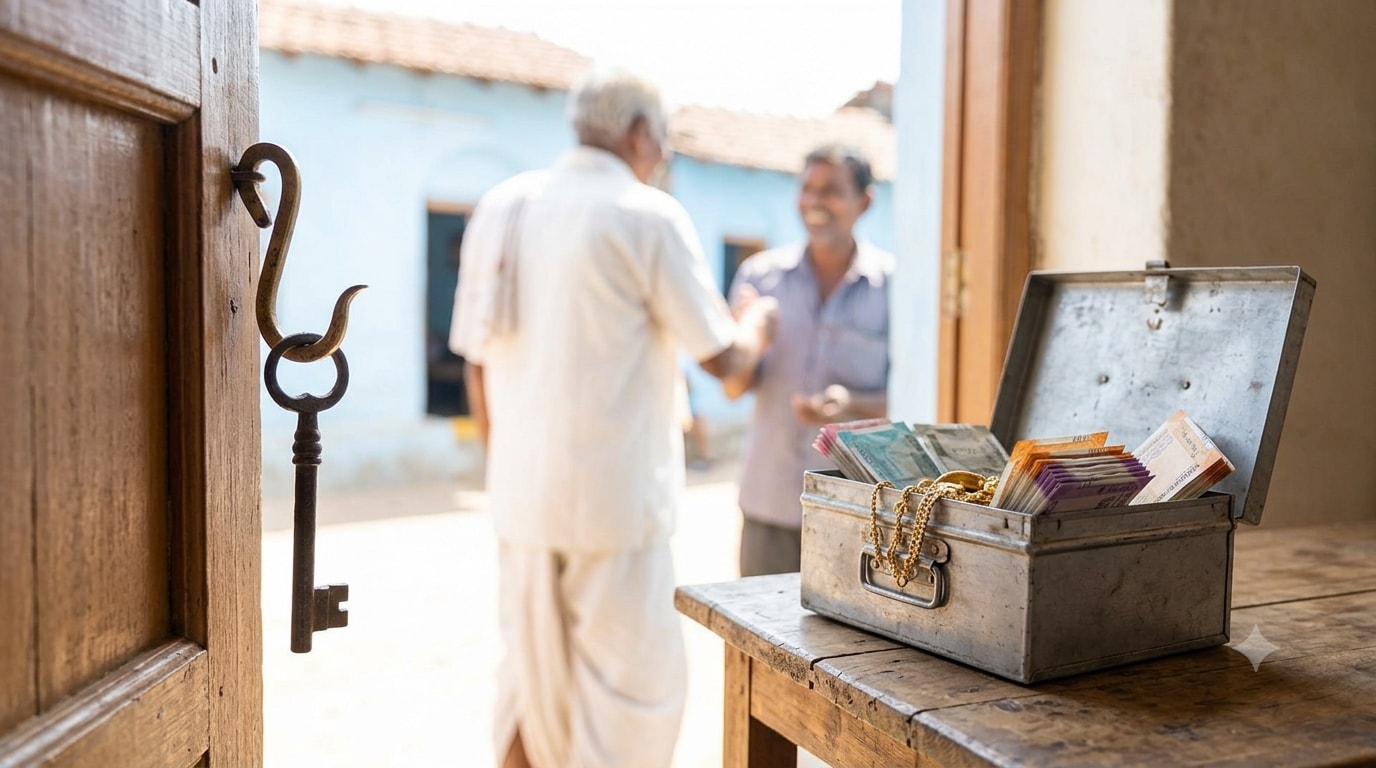
But the belief in divine protection has not meant that thefts have never occurred. In 2010, a visitor reported that cash and valuables worth ₹35,000 were stolen from a vehicle, according to The Independent. In 2011, another theft involving gold ornaments worth ₹70,000 was reported.
These incidents show the difference between local faith and the reality of crime. Shani Shingnapur’s reputation as a “doorless village” comes from the belief that divine justice protects its residents, rather than the idea that theft cannot happen. For residents and devotees, this faith remains an important part of the village’s identity, even as locks and security cameras have become common.
See Less

Tamil Nadu CM Vijay flags off 250 new buses for MTC, TNSTC
By Sohail Khan · 25 Aug


Leave a Reply