The unravelling of Pakistan’s narrative on Kashmir
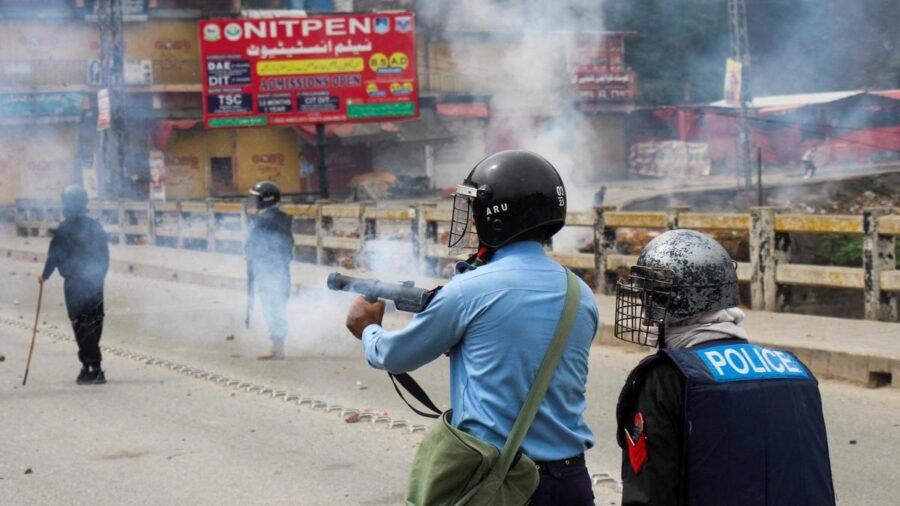
At 10:58 p.m. on 27 July, Pakistan’s Prime Minister Shehbaz Sharif, through his official social media account, was expressing solidarity with Spain over the devastating wildfires and conveying his sympathies to Prime Minister Pedro Sánchez. By then, reports had already identified several of the 19 people killed in Rawalakot, central Pakistan-occupied Kashmir (PoK), where security forces had allegedly opened fire on protesters. The contrast was stark: while the prime minister publicly responded to a humanitarian tragedy abroad, there was no acknowledgement of the bloodshed unfolding in a territory under Pakistan’s own administration and control.
The contrast was difficult to ignore. While Islamabad’s attention appeared focused on a humanitarian tragedy thousands of kilometres away, one of the deadliest episodes of violence in recent years was unfolding within territory under Pakistan’s own administration. The protests, which began in early June 2026, have now entered their eighth week. Yet, as fresh fatalities were reported in Rawalakot on 27 July and in Mirpur the following day, the overall death toll in the last two months, according to local reports, had crossed 70. Throughout this period, there was no significant public statement and outreach from Pakistan’s top political leadership acknowledging the violence or expressing condolences to the victims. For protesters and their supporters, this symbolised the federal government’s apparent indifference to a movement that has evolved into the most sustained and significant mobilisation witnessed in Pakistan-occupied Kashmir in decades.
Essar eyes $18-billion US steel plant: Why Indian firms are investing in US amid tariffs
By Sohail Khan · 29 Sep
The volume knob we often forget to turn down
By Sohail Khan · 29 Sep
Woman loses 43 kg in 8 months: What experts say about losing 10 kg in a month
By Sohail Khan · 29 Sep