‘Raisins, figs, dates…’: Mountaineer cautions trekkers against eating too many nuts at high altitudes
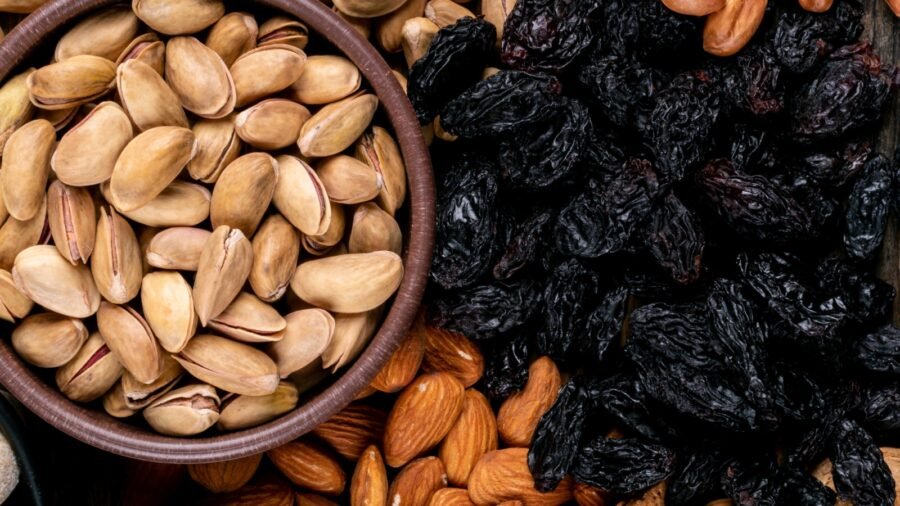
Mountaineer Premlata Agrawal, the first Indian woman to scale the Seven Summits—the highest peaks on each of the world’s seven continents—recently explained the difference between dried fruits and nuts. She pointed out that raisins, dried figs, dates and apricots are fruits that have been dried, while almonds, cashews, pistachios and walnuts are nuts.
Cautioning trekkers against eating large quantities of nuts at high altitudes, she said, “Raisins, figs, dates are all dry fruits. Cashews, pistachios, almonds are nuts and will take a long time to digest in the mountains. And you have to keep in mind how much water you drink after that.”
Story continues below this ad
But does altitude actually make nuts harder to digest, and should trekkers prioritise dried fruits? Dr Sarang Deshpande, Consultant Orthopedics & Joint Replacement, KIMS Hospitals, Thane, explains.
Do nuts take longer to digest at high altitude?
Nuts are naturally slower to digest than foods rich in simple carbohydrates because they contain considerable amounts of fat, protein and fibre.
“At high altitude, the availability of oxygen decreases, together with changes in routine and dehydration, all of which can affect appetite and digestion,” Dr Deshpande tells indianexpress.com.
As a result, some trekkers may experience fullness, bloating or digestive discomfort after eating a large quantity of nuts. But this does not mean nuts need to be avoided.
Story continues below this ad
“The important point is to control the portion size,” says Dr Deshpande. “A small handful, eaten with other foods, is usually easier to tolerate than eating a large quantity when energy requirements are high.”
Nuts and dried fruits serve different purposes
“It is better to regard nuts and dried fruits as complementary rather than as things that can be used in place of one another,” says Dr Deshpande.
Dried fruits such as dates and raisins are rich in carbohydrates, making them useful when the body needs a relatively quick source of energy during a long climb.
“Nuts, on the other hand, contain fats, protein and minerals which help to promote longer-lasting satisfaction and aid in recovery,” he explains.
Story continues below this ad
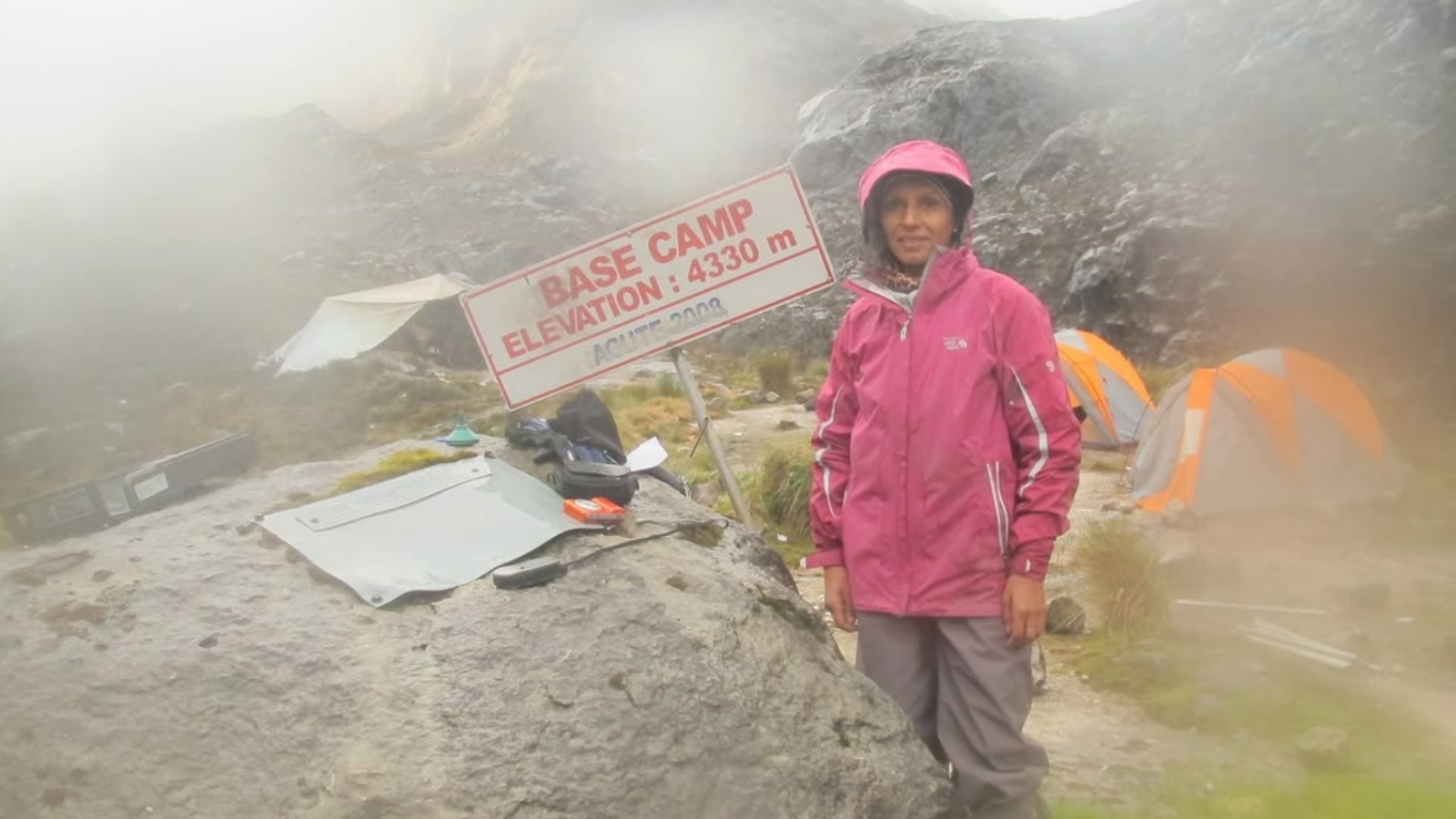 Mountaineer Premalata Agrawal explains the difference between nuts and dried fruits
So, how much should you eat?
“A good way to do this is to mix in a small amount of nuts with a moderate amount of dried fruit instead of putting a great deal of emphasis on just one or the other,” says Dr Deshpande.
For example, a small handful of nuts combined with some raisins or dates can provide a mix of carbohydrates, fats and protein without making the snack excessively heavy. The ideal quantity will depend on the length and intensity of the trek, individual tolerance and the rest of the day’s diet.
Can nuts and dried fruits keep you hydrated?
This is where Agrawal’s advice needs some clarification. Neither nuts nor dried fruits should be considered a substitute for water. “Dried fruit has very little water in it, whereas nuts do not help with hydration at all,” says Dr Deshpande.
Adequate fluids and electrolytes remain important during trekking, particularly at high altitude, where exertion and dehydration can affect how you feel and perform.
Story continues below this ad
How should trekkers plan their food?
“When it comes to the right diet for trekking, it is necessary to space out your food consumption throughout the day, select portions that are easy to tolerate, and adjust your carbohydrate intake to match the intensity of the climb,” he says.

Vikrant Massey shares his formula for a happy marriage: ‘Out of 365 days…’
By Sohail Khan · 29 Aug
Why weight gain isn’t always about food: 4 factors to consider
By Sohail Khan · 29 Aug
Inside Heli Daruwala’s elegant Surat home with a Vaastu-inspired Gujarati hinchko
By Sohail Khan · 29 Aug
Leave a Reply