You matched, you chatted, then nothing happened: Why Gen Z is ‘dial-toning’

You matched. You chatted. Maybe there was chemistry. But things never really moved forward.
Still, you don’t unmatch. You watch their stories, occasionally like a post, reply with an emoji or send a random message every few weeks — the connection never completely disappears.
This behaviour is described as “dial-toning” — essentially, keeping someone within emotional reach without actually pursuing a relationship with them. And it is becoming popular among Gen Z daters.
Story continues below this ad
According to relationship platform QuackQuack’s survey of daters, more than 45% of respondents from Delhi, Mumbai, Hyderabad and Bengaluru said dial-toning is gaining traction, particularly in Tier 1 cities where life tends to be busier.
But why do people keep a connection alive when they aren’t actually dating?
Why are people keeping the door open?
According to Prerna Pant, Psychologist, ISIC Multispeciality Hospital, Delhi, dial-toning can reflect uncertainty and emotional ambivalence.
Story continues below this ad
“From a psychologist’s perspective, dial-toning reflects uncertainty and emotional ambivalence. People may not be ready for a relationship, but they are also not ready to completely disconnect. It allows them to maintain a sense of connection and possibility without making a clear commitment or decision.”
And sometimes, there isn’t even a clear plan behind it. People may stay connected because of curiosity, emotional attachment, loneliness or the hope that circumstances could change.
“People often hold on because of curiosity, emotional attachment, loneliness, or the hope that circumstances may change in the future. Letting go can feel like closing a door permanently. Keeping occasional contact may provide comfort and reassurance, even when there is no active intention to pursue the relationship.”
That explains the strange middle ground of dial-toning: I’m not choosing you, but I’m not quite ready to lose you either.
Story continues below this ad
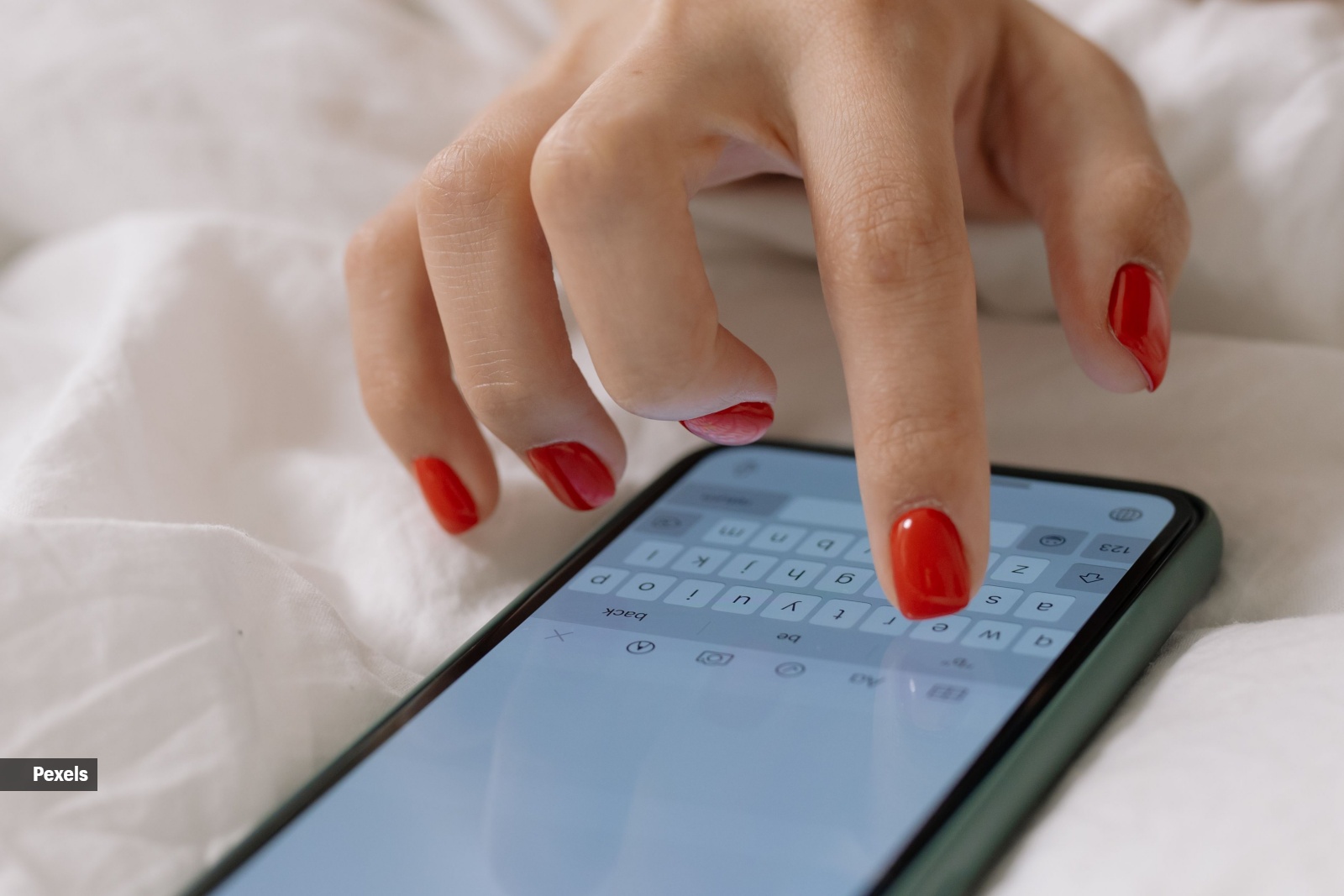 More than 45% of daters in QuackQuack’s survey from Delhi, Mumbai, Hyderabad, and Bangalore said that dial-toning is gaining traction in mostly Tier 1 cities where life is busier
A like or emoji can keep the feelings alive The interactions involved in dial-toning can seem almost meaningless. A story view takes a second. A like requires one tap. An emoji reply barely counts as a conversation.
But psychologically, these tiny signals can have an effect.
“Yes, small and unpredictable interactions can keep emotional interest alive. A like, story view, or emoji reply can signal that someone is still paying attention. Because these interactions happen irregularly, they can create anticipation and hope, making it harder for people to emotionally move on.”
That unpredictability may be part of what makes the behaviour particularly sticky. If someone completely disappears, you eventually know where you stand. But when they appear every few weeks, it can leave you wondering: Are they still interested? Are they going to come back? Should I wait?
And suddenly, that one random heart reaction has you analysing a relationship that technically doesn’t even exist.
Story continues below this ad
Younger daters admit to doing it for months
According to the survey, 55% of participants aged 18 to 26 admitted to dial-toning a match for months. They also clarified that they ended the cycle as soon as they recognised what they were doing.
Among daters above 26, 19% said they had dial-toned a match because the timing didn’t seem right to take the next step. In these cases, keeping the connection going was more about waiting to see whether circumstances might eventually change.
That distinction matters. Not every occasional interaction means someone is deliberately keeping another person as a backup.
Sometimes, there really is interest — just no readiness to act on it.
Story continues below this ad
Are you keeping them around because you want them back?
This may be the trickiest part of dial-toning: figuring out why you’re doing it. Pant suggests asking yourself one straightforward question:
“A useful question is: ‘Would I actively pursue this person if the opportunity arose today?’”
If the answer is yes, the connection may reflect genuine interest. But if you’re only keeping someone around because their attention feels reassuring, you’re lonely, enjoy the validation or like having a backup option, the situation may be different.
“If the person is only kept around for validation, comfort, or as a backup option, it is more likely that they are being kept as a possibility rather than a priority.”
Story continues below this ad
And perhaps that’s the simplest way to understand dial-toning. You don’t necessarily want the relationship — you just don’t want the possibility of it to disappear.
The problem begins when one person thinks those little signals mean something could happen, while the other is simply enjoying the comfort of keeping the connection alive.
Because sometimes, the kindest thing you can do — for yourself and the other person — is decide whether you’re actually going somewhere, rather than endlessly keeping the signal on.


What could be a just, dignified and lasting peace in Ukraine?
By Sohail Khan · 29 Sep
Power from renewables should not be curtailed
By Sohail Khan · 29 Sep