Pet insurance emerges as a financial cushion as vet bills run into lakhs
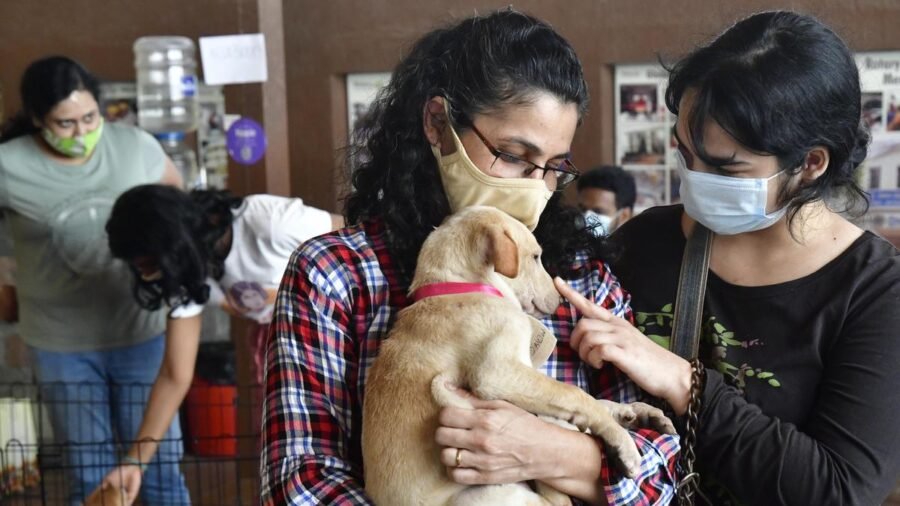
When Pronita adopted a rescued cat, she did not expect a veterinary illness to leave her with bills running into ₹1.2 lakh. Her cat was diagnosed with FIP, a serious disease, and treatment over about three months cost her around ₹1.2 lakh. The first round of diagnostic tests alone cost ₹8,000.
For Ms. Pronita, the experience showed how quickly veterinary expenses can escalate, especially when a pet needs prolonged treatment. It also prompted her to look more closely at pet insurance, a product that remains relatively unfamiliar to many pet owners in India.
“As more pet parents begin treating their animals as family members, the cost of providing them medical care is becoming an important consideration,” she said, recalling another rescued cat that had been bitten by a dog and suffered significant injuries. The surgery alone cost around ₹60,000 to ₹70,000, followed by months of treatment for paralysis, physiotherapy and medication.
“The financial burden can also begin with what appear to be routine investigations,” said Hyderabad-based doctor and pet owner Nabat Lakhani. Based on her experience, a human X-ray can cost around ₹200 to ₹500, while she recently paid ₹1,000 for each X-ray of an injured stray dog.
“Similarly, an LFT or KFT test that could cost around ₹200 at a chain diagnostic laboratory or ₹600 to ₹700 at a larger laboratory for a human could cost ₹2,000 or more for a pet,” she said.
Dr. Lakhani’s family cares for three stray dogs around their clinic. One of the dogs was badly injured after a fight with other dogs. The family initially spent ₹7,900 on dressing and four X-rays at a veterinary facility. “When the dog was subsequently taken to another facility, treatment cost around ₹22,000 over three days, including dressing, saline and boarding,” she said.
The experience has also influenced her own approach to pet insurance. Dr. Lakhani said she does not have insurance for her 11-year-old Labrador because she believes the coverage available remains limited and pet owners may still have to bear a substantial portion of veterinary expenses themselves.
For pet parents facing these bills, insurance is emerging as a possible financial cushion. Pet insurance products available in India can cover expenses such as surgery, hospitalisation and specified illnesses.
Depending on the policy, owners can also opt for benefits covering OPD treatment, long-term care, mortality, theft or straying and third-party liability. The extent of cover, however, varies between policies.
Bajaj General Insurance, on its website, lists 35 dog breeds under small, medium, large and giant categories as eligible for pet insurance.
According to Sravanthi, co-founder of Hyderabad-based Petsfolio, rising veterinary costs are making pet insurance increasingly relevant, particularly for owners of medium and large breeds and pets that may require expensive treatment.
“Conditions such as hip dysplasia, bone problems and accidental injuries can result in substantial veterinary bills, while the cost of treatment can increase further with medicines and recovery. The policies her company deals with can provide surgery cover of up to ₹3 lakh, hospitalisation cover of up to ₹50,000 and OPD cover of up to ₹30,000,” she said.
But there is an important distinction that pet parents may not immediately realise. Pet insurance does not always work in the same way as the cashless health insurance many people are familiar with. Ms. Sravanthi said the policies her company deals with generally work on a reimbursement basis. “Petsfolio assists customers with documentation and claims, and reimbursements normally take around 15 to 20 days,” she said.
For Hyderabad pet parent Mukesh, the cost of veterinary treatment became real when his puppy contracted Parvo, a serious viral infection. The puppy’s condition deteriorated and it required intravenous treatment every 2 hours. A veterinarian recommended an injection that could improve the puppy’s chances of survival, but it cost around ₹3,000.
Mr. Mukesh did not hesitate. “In that split second, I said yes, because for me I just wanted to save my pet,” he said. The treatment eventually cost him around ₹40,000.
Mr. Mukesh had heard about pet insurance soon after getting his pets around seven years ago. He recalled seeing a Bajaj insurance brochure at a diagnostic centre, but never bought a policy. He also believes awareness of pet insurance remains low. “Not enough is being spoken about it,” he said, adding that pet insurance is not discussed enough even within pet-parent communities.

Special NIA court rejects bail plea of Pulwama terror attack accused Insha Jan
By Sohail Khan · 22 Aug
MBU offers scholarships to single girl children, first-generation graduates
By Sohail Khan · 22 Aug
Bengaluru: IISc student dies by suicide, 2nd such death at institute in 15 days
By Sohail Khan · 22 Aug
Leave a Reply