Is your back pain due to muscle strain, a spine problem, or something else? Here are the signs you shouldn’t ignore

Is your back pain due to muscle strain, a spine problem, or something else? Here are the signs you shouldn’t ignoreUpdated on: Aug 24, 2026, 18:29:46 IST
Prefer HTon Google
Share via
Copy link
Back pain can have many causes; a neurosurgeon explains how to tell muscle strain from a spinal problem.
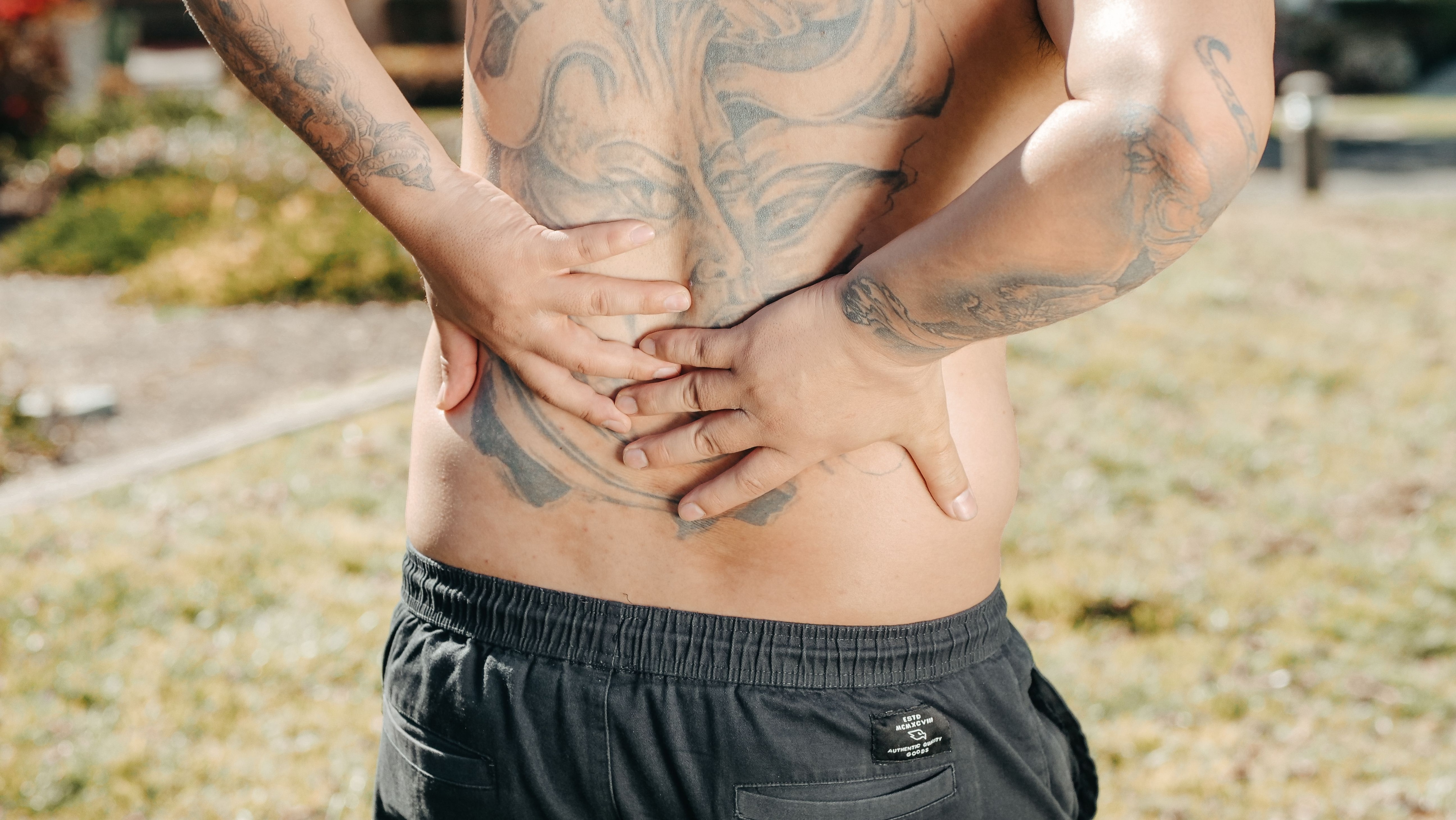
Back pain is widespread, but all instances of back pain do not necessarily indicate problems with the spine. Possible causes may include muscle strain, slipped discs, nerve irritation, arthritis, or, rarely, an underlying disease. In an interview with Lifestyle, Dr Gaurav Batra, principal consultant, neurosurgery, Yashoda Medicity, Indirapuram, revealed the reason behind persistent back pain.
Also read | Sitting for long hours at the desk? Orthopaedic surgeon Dr Pushkar Chawla shares how to protect the back and spine
How to know if it is muscle strain?
Dr Batra highlighted that muscle strains usually occur in cases when someone lifts a heavy object, exercises, makes a quick twist, or sits in an uncomfortable position for a long time. The pain will be localized and might be sore, tight, or aching. The pain might worsen during some particular movements and gradually improve with time.
How to know if it is due to the spine or nerves?
“If someone experiences pain which begins in the lower back and radiates to the buttocks or leg, and is accompanied by tingling, numbness, or weakness, it might indicate nerve irritation or compression,” said Dr Batra. In addition, a slipped disc could be the reason for sciatica.
Any cases of persistent pain or recurrent episodes, as well as symptoms affecting someone’s ability to walk and perform usual activities, must be evaluated by a physician. It is worth noting that routine imaging is not indicated for all episodes of back pain; usually, it is ordered in case of suspected serious conditions.
Could it be anything else?
Dr Batra highlighted that occasional back pain can be related to infections, fractures, inflammatory diseases, or cancer. Red flags that require urgent evaluation include unexpected weight loss, fever, severe trauma, personal history of cancer, night/rest pain, or neurological changes. If there is any new difficulty urinating, urinary or bowel incontinence, or sudden numbness of the groin and/or buttock region with rapid progression of weakness, immediate attention is required.

Treatment
The neurosurgeon will first try to determine the cause and seriousness of the pain and will not recommend an operation right away. Most uncomplicated back pain is treated with a combination of being active, not lying down in bed for long periods, taking medication for pain, doing physical therapy, changing one’s posture and activities, and doing exercises for strengthening and stretching.
According to Dr Batra, if a problem with the discs results in severe nerve compression, treatment will depend on the nature of the symptoms and neurological findings. In certain cases, surgery may be recommended for patients with ongoing debilitating pain or neurological deficit. Immediate medical evaluation is crucial for symptoms indicating cauda equina syndrome.
The neurosurgeon correlates the patient’s symptoms and neurological examination with imaging such as MRI to determine whether there is significant disc prolapse, spinal canal narrowing, instability, fracture, tumour, infection, or compression of the spinal nerves.
Note to readers: This article is for informational purposes only and not a substitute for professional medical advice. Always seek the advice of your doctor with any questions about a medical condition.
Catch every big hit, every wicket with Crick-it, a one stop destination for Live Scores, Match Stats, Quizzes, Polls & much more. Explore now!.
Catch your daily dose of Fashion, Taylor Swift, Health, Festivals, Travel, Relationship, Recipe and all the other Latest Lifestyle News on Website and APPs.
See Less




Leave a Reply