iQOO Z11 5G review: Doesn’t win every battle, but somehow wins you over
Editorial independence is core to our work. Some links may earn us a commission, without influencing our opinions.
iQOO Z11 5G review: Doesn't win every battle, but somehow wins you over
The iQOO Z11 gets the fundamentals right with a sharp display, capable cameras and excellent battery life, but its software and gaming limits hold it back.
Updated on: Aug 31, 2026, 20:32:54 IST
Prefer HTon Google
Share via
Copy link

Research-Backed Choices
Every product we recommend is chosen through a combination of Primary Research and Secondary Research.
Get your new Smartphone
at ₹2,500/month
Check Eligibility →
iQOO Z11 Review: The iQOO Z series has long been regarded as one of the most sought-after affordable smartphones, consistently striking a perfect balance between price and value. As the smartphone market experiences a sharp rise in component costs, the brand has positioned its all-new Z11 in a completely different segment to persevere through this challenging period. While the Z10, its predecessor, started at ₹20,998 a year ago, the entry-level Z11 will now cost you upwards of ₹34,999.
Although this price hike may upset long-standing fans of the Z series, it has given iQOO room to overhaul the lineup with unheard-of features. The Z11 introduces more robust dust and water protection, a 1.5K AMOLED display, an additional ultra-wide camera, and, finally, a vapour chamber.
This stacked list shows that iQOO’s latest smartphone still follows the same playbook that brought prestige to the Z series. But what it hides is that the brand has cut corners on two of the Z11's most essential aspects: the processor and the battery. While iQOO’s reasoning behind this decision is unclear, it appears to allow the brand to allocate the saved resources towards creating an all-rounder smartphone. So, is the iQOO Z11 truly a well-rounded product? And if so, does it justify its asking price of ₹34,999? Read this review to find out the answer.
iQOO Z11 Performance: Well suited to everyday use, less so for serious gaming
When spending over ₹35,000, people often expect their newly purchased smartphone to handle all their tasks and run smoothly, and the iQOO Z11 nearly accomplishes this.
Its Dimensity 7500 SoC, which also debuted alongside iQOO’s smartphone, is well optimised to handle everyday tasks, such as scrolling through Instagram Reels or browsing articles in the Brave browser, without stuttering.
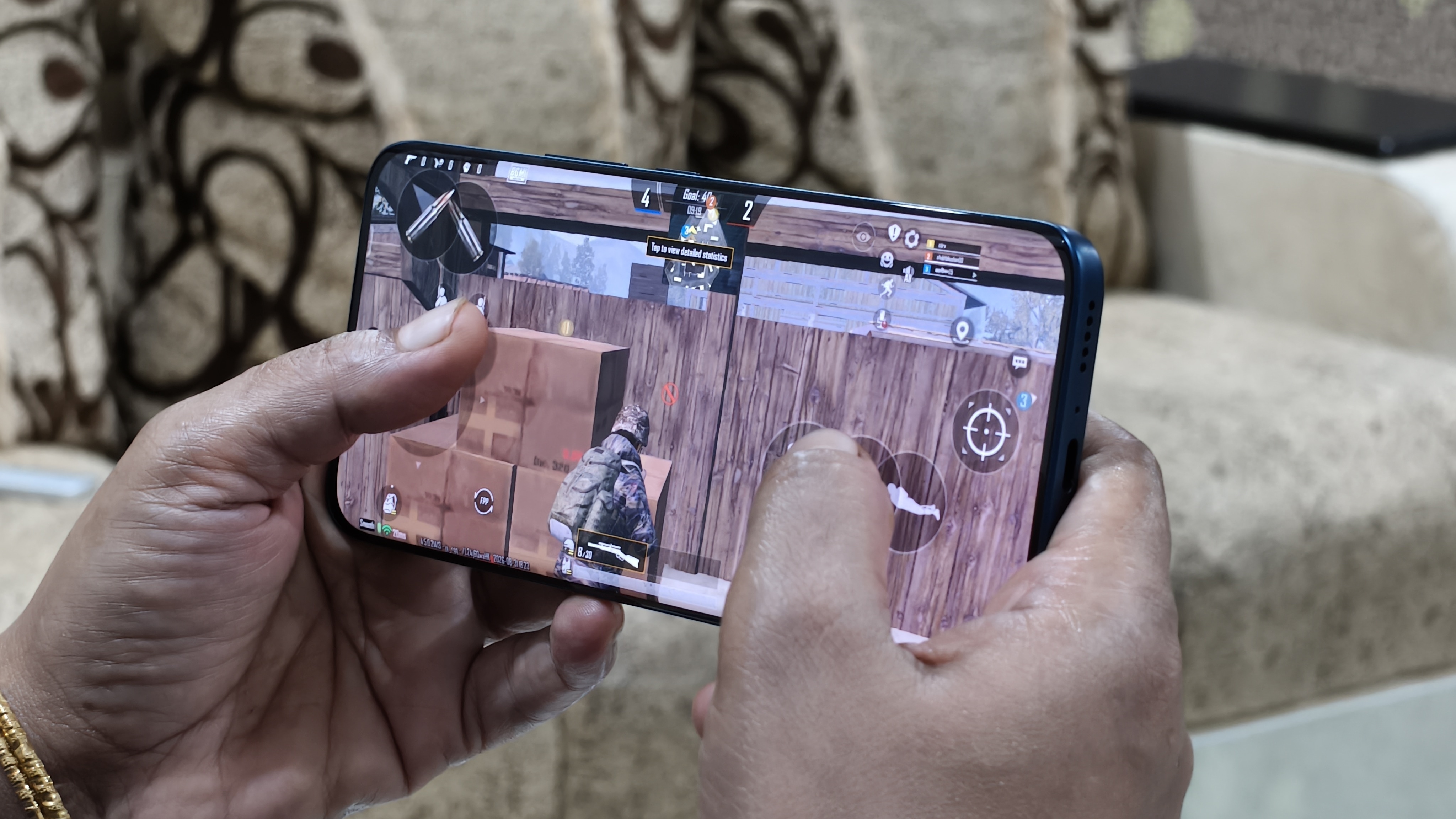
The iQOO Z11 continues to deliver a smooth experience even when running moderately intensive games. In BGMI, with graphical settings configured to ‘Smooth’ graphics and ‘Extreme’ frame rate, this is how the phone performed:
| iQOO Z11 | |
|---|---|
| Avg FPS (Smooth Graphics and Extreme frame rate) in BGMI | 58.5 |
| 5% Low FPS (Smooth Graphics and Extreme frame rate) in BGMI | 55.1 |
As a rule of thumb, the closer the average frame rate is to the 5% frame rate, the smoother the game runs. This was also evident in my real-life experience, as I didn’t experience any frame drops or stutters while chasing enemies throughout the session.
However, it’s worth noting that Nothing managed to configure the CMF Phone 2 Pro to run BGMI at 90 fps on Smooth graphics, even though the device's Dimensity 7300 processor is a tier below the Dimensity 7500 SoC in the iQOO Z11. So, it's disappointing to see iQOO only offering a 60 fps option on its new smartphone. I hope the brand works closely with BGMI to enable a higher frame-rate option in a future update, especially given the brand's performance-first nature
Compared with its BGMI performance, the iQOO Z11 is rather mediocre at handling graphically intensive games, particularly Genshin Impact and Wuthering Waves.
| iQOO Z11 | |
|---|---|
| Avg FPS (High Graphics at 60fps) in Genshin Impact | 54.7 |
| 5% Low FPS (High Graphics at 60fps) in Genshin Impact | 42 |
| Avg FPS (High Graphics at 60fps) in Wuthering Waves | 43.2 |
| 5% Low FPS (High Graphics at 60fps) in Wuthering Waves | 27.6 |
In my experience, Genshin Impact was pretty smooth sailing, as I barely encountered lag while solving puzzles and watching cutscenes. That said, the iQOO Z11 stuttered more while running Wuthering Waves, whether it was defeating enemies, exploring the land, or solving puzzles, as the results also corroborate. Despite this, I could still hold the phone comfortably, feeling barely any heat, indicating that its vapour chamber fulfilled its intended role.
All these observations boil down to the fact that the iQOO Z11, with its Dimensity 7500 SoC, excels at moderately intensive tasks but struggles significantly with heavy workloads. However, this doesn’t reflect the current standing of iQOO’s new smartphone in the smartphone market.
To put its performance into perspective, the table below compares the iQOO Z11 with other phones in performance benchmarks, either priced ₹10,000 lower or in the higher segment:
| Benchmark | OnePlus N6 ( ₹23,591) | POCO M8 Power ( ₹24,999) | iQOO Z11 ( ₹34,999) | Redmi Turbo 5 (41,999) |
|---|---|---|---|---|
| Antutu Benchmark | 585756 | 577017 | 1112536 | 2107191 |
| Geekbench 6 Single-core | 788 |
896 |
1200 |
1720 |
| Geekbench 6 Multi-core | 1999 | 2117 | 3340 | 6578 |
| 3DMark Wildlife Extreme | 366 | 188 | 1166 | 4291 |
| Geekbench 6 GPU | 1396 | 444 | 3923 | 12543 |
Together, these benchmark results and my experience clearly show that the iQOO Z11 balances capable performance with an accessible price.
iQOO Z11 Software: Plenty to like, if you can look past the clutter
Similar to the performance attribute, iQOO has mostly nailed the fundamentals of the software on the iQOO Z11. OriginOS 6, based on Android 16, is the UI on iQOO’s new smartphone and is well optimised to make the phone feel smoother in everyday interactions.
First off, it features actual app opening and closing animations. It sometimes uses them creatively to mask the loading time of heavier apps, such as the camera, which I appreciate.
But the part about OriginOS 6 that stood out to me most was its sheer amount of customisation. For instance, it lets us choose the animation that plays when a USB cable is inserted into the iQOO Z11, and so on.
Keeping up with the times, iQOO has also packed the iQOO Z11 with a useful set of AI features. In addition to the standard AI eraser, the gallery app features Cutout, which allows users to adjust a specific section of the image containing a human subject, such as changing the background or creating an ID photo.
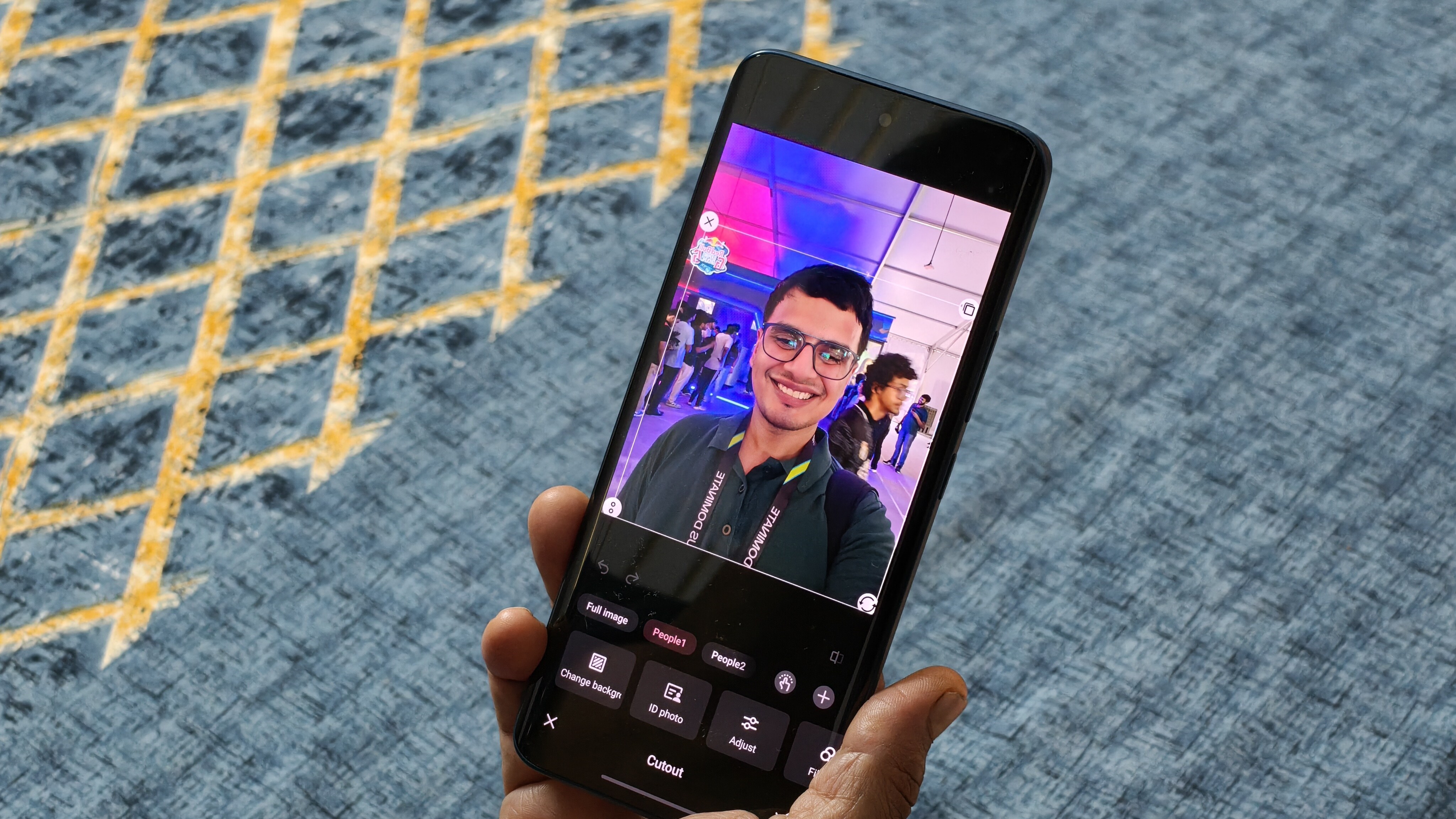
While this may sound unremarkable, it is phenomenal in practice, working as intended almost every time. It mainly remains a feature that other brands have yet to offer.
The AI Captions feature, one of the most heavily advertised features of the iQOO Z11, comes close to delivering the same experience, but its execution holds it back.
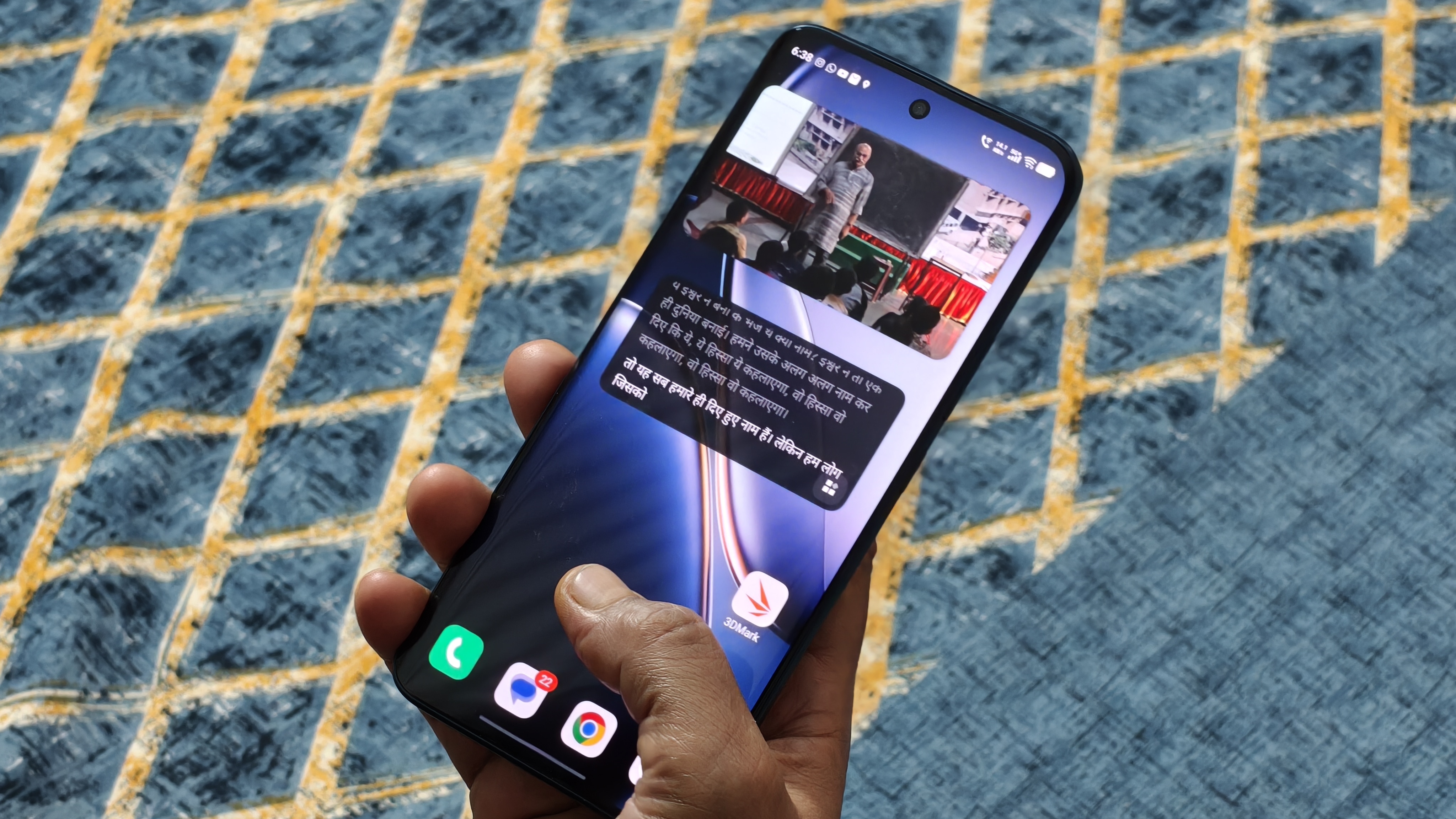
To be clear, it transcribes the video within seconds of activation, allows users to save the transcription for future reference, and supports multiple languages for translating the transcription.
However, the AI Captions feature struggles to display the correct words when a person in a video speaks quickly and even loses the intended message during translation. Considering this, I would have much appreciated it if iQOO had fixed these core issues before advertising the AI Captions feature as the iQOO Z11’s headline feature.
But what undermines the iQOO Z11’s software is the bloatware that appears after initial setup. In addition to standard apps such as Instagram and LinkedIn, the brand has incorporated pre-installed apps that raised my guard, and incessantly push notifications at all hours of the day. Fortunately, the good news is that some of these apps can be deleted, while users can disable the others.
I also appreciate that the iQOO Z11 is promised to receive 3 years of software updates and 5 years of security patches. That said, given the ongoing severe issues with iQOO smartphones, including the iQOO Neo 9 Pro, following its latest software update, the extended software support for the iQOO Z11 seems less appealing.
iQOO Z11 Design and Build Quality: Familiar inspiration, thoughtfully reworked
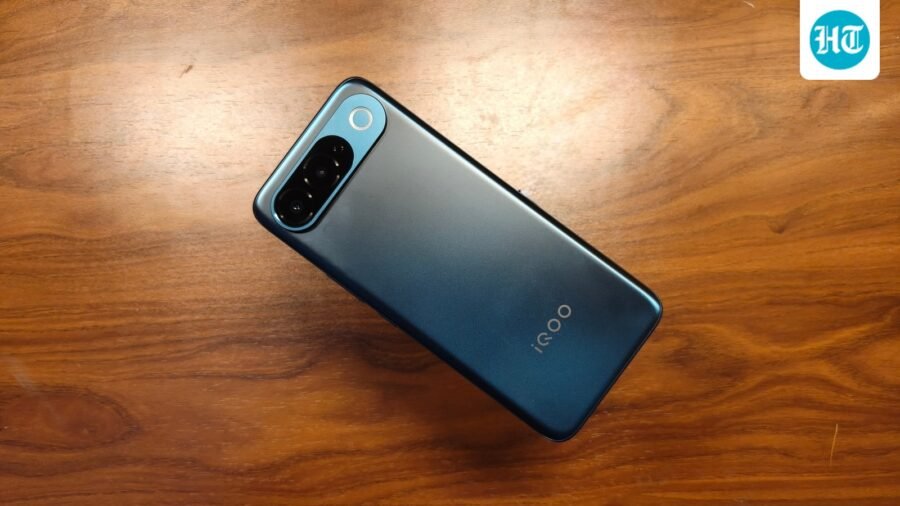
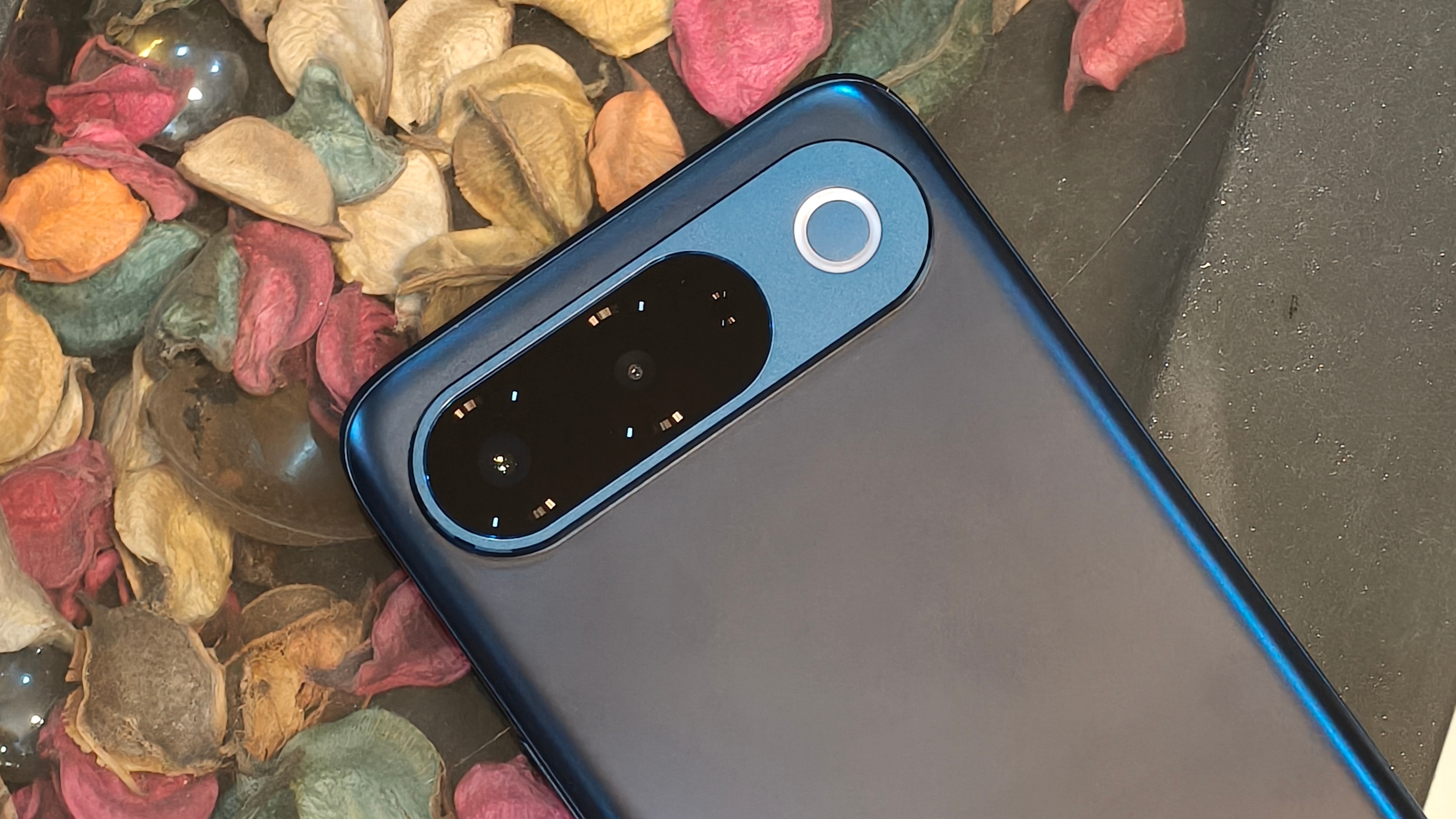
Despite sporting a style more synonymous with a prominent brand, the iQOO Z11 still feels fresh in a sea of smartphones competing to be another iPhone look-alike. iQOO’s new phone features a camera visor that closely resembles the one on the Google Pixel 11 series.
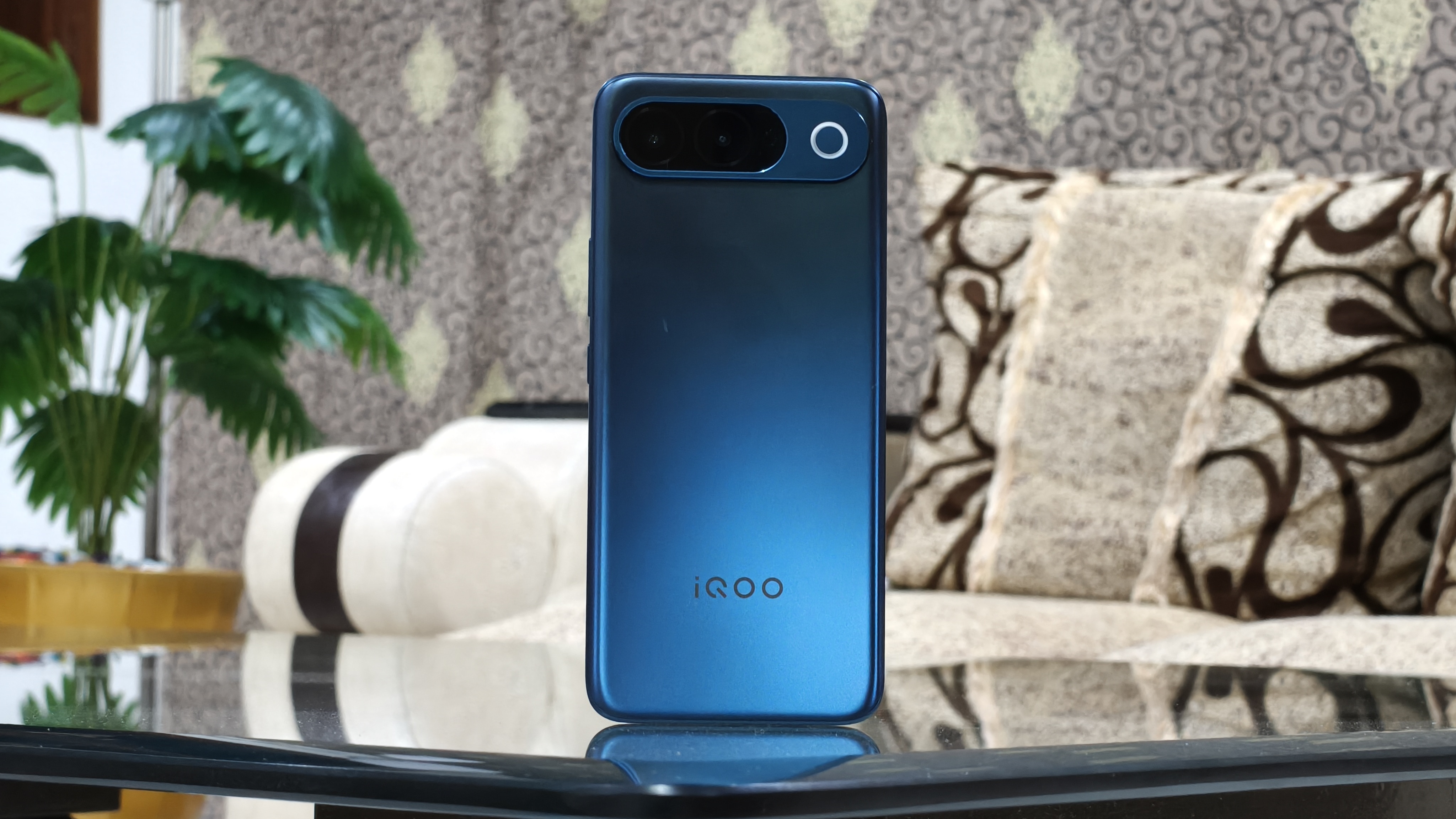
But its slender 20:9 chassis and the camera bar's top placement give the design a distinctive touch. Speaking of the camera visor, although it protrudes significantly from the rear, the phone doesn’t wobble when pressure is applied to the corner of the screen with the back facing a flat surface.
The Celestial Matte colour and its matte texture further lend a premium touch to its overall appearance. My only gripe with this colour variant is that it attracts a lot of fingerprint smudges, which instantly show up when the light hits the rear panel.
With everything said, it is the iQOO Z11’s in-hand feel that has left a strong impression on me. iQOO has sculpted its new phone to be narrower than most, making it feel natural to hold. Curved edges and a 7.99 mm thickness further make it comfortable to grip, without causing any sharp pain. At 199g, the iQOO Z11 doesn’t feel tiring to hold, even after extended use. The only caveat is that its 20:9 aspect ratio forces my tiny hands to do acrobatics to reach the notification centre.
Despite its slim profile, the iQOO Z11 gives the impression of a sturdy smartphone when held in the hand. That impression held when it slipped from my clumsy hands. Although curved glass is more prone to cracking than a flat screen, the Scott Xensation Up protective layer still prevented the display of iQOO’s new smartphone from shattering.
Similarly, the brand has paid equal attention to accidental water damage, making the iQOO Z11 the first in the Z series to offer IP68 and IP69 protection against dust and water. However, most companies don’t honour warranty claims if a phone is water-damaged. So, be mindful when using the iQOO Z11 underwater. And remember, say no to seawater at all costs.
iQOO Z11 Display: Immersive, fluid and sharp where it matters
The 6.83-inch AMOLED display is the first thing that sets the iQOO Z11 apart from its peers. The curved edges and thin bezels make the viewing experience feel more immersive.
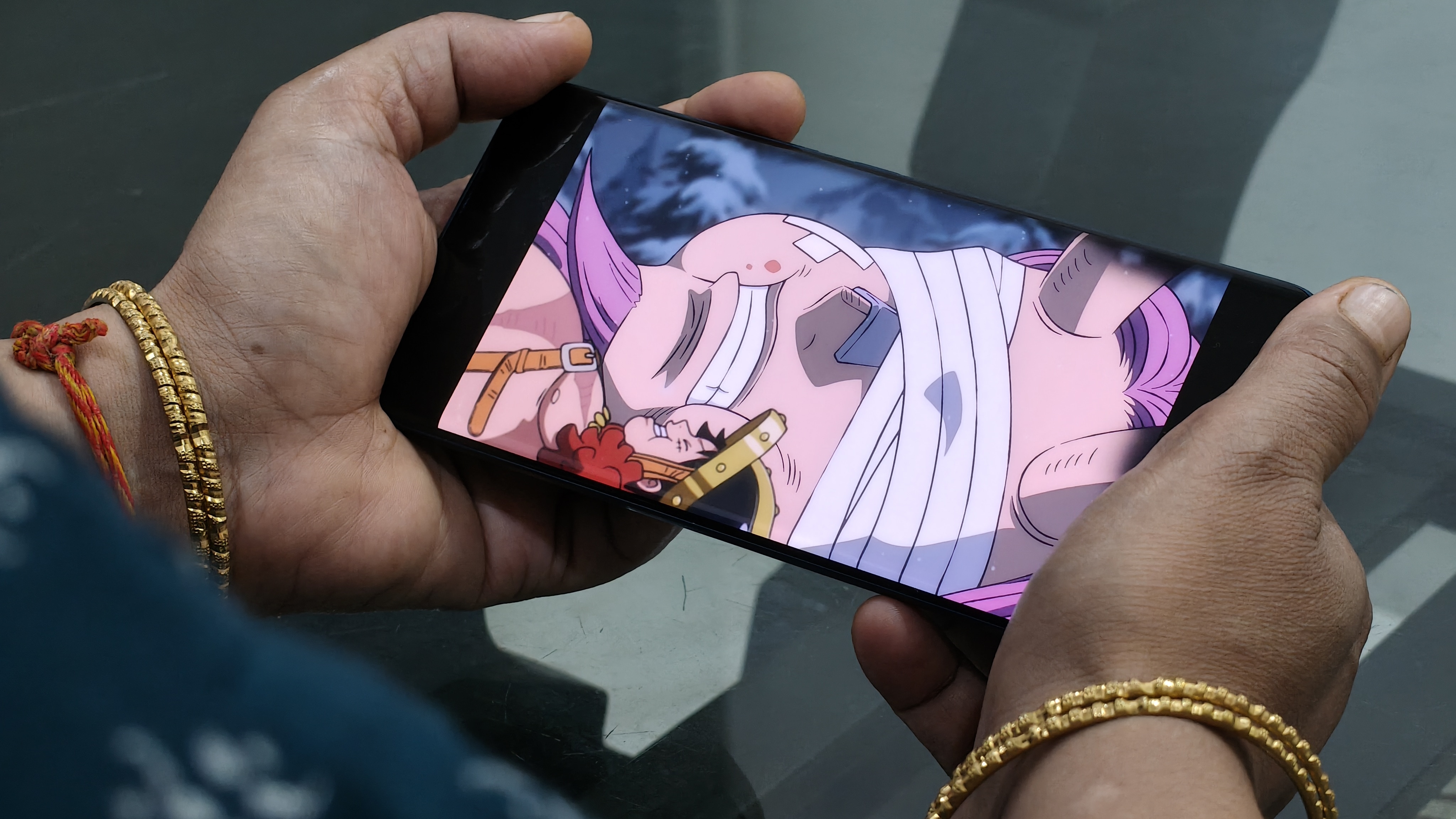
It’s a nitpick, but the iQOO Z11’s 20:9 aspect ratio introduces black bars on the left and right of a 16:9 video, which can sometimes detract from immersion.
The 144Hz refresh rate makes the phone feel snappy to use. It’s worth noting that some apps run at 90Hz or 120Hz, which isn’t a dealbreaker but should be highlighted.
Using iQOO’s new smartphone outdoors has been an equally pleasing experience, as it remained legible in direct sunlight. What enables it to achieve this result is its ability to reach 2000 nits in high-brightness mode.
iQOO Z11 Audio and Haptics: Pleasant enough, although neither feels particularly special
iQOO didn’t just call it a day with the display; it has also delivered a satisfying audio experience with the iQOO Z11. Rather than one speaker doing the heavy lifting, the bottom-firing and top speakers contribute equally to produce a convincing stereo effect. This also allows the phone to deliver loud audio even at 80% volume.
More importantly, the dual-speaker setup on the iQOO Z11 does a decent job of handling music across the frequency range. While the phone handles mids and highs well, it slightly falters in delivering the punch expected from the low end.
The haptic feedback is just as pleasing as the dual stereo speakers. When typing, adjusting the volume, or swiping back, the iQOO Z11 produces vibrations that are not overly strong, yet feel adequate for its price point.
iQOOO Z11 Cameras: An accomplished imaging setup with a few limitations
The cameras are another piece of the puzzle that make the iQOO Z11 stand out in its segment.
Its 50MP primary camera renders colours accurately, while the larger sensor helps deliver good clarity. Its HDR processing also strikes a good balance between darker and brighter areas, retaining details in shadows without excessively brightening the frame.


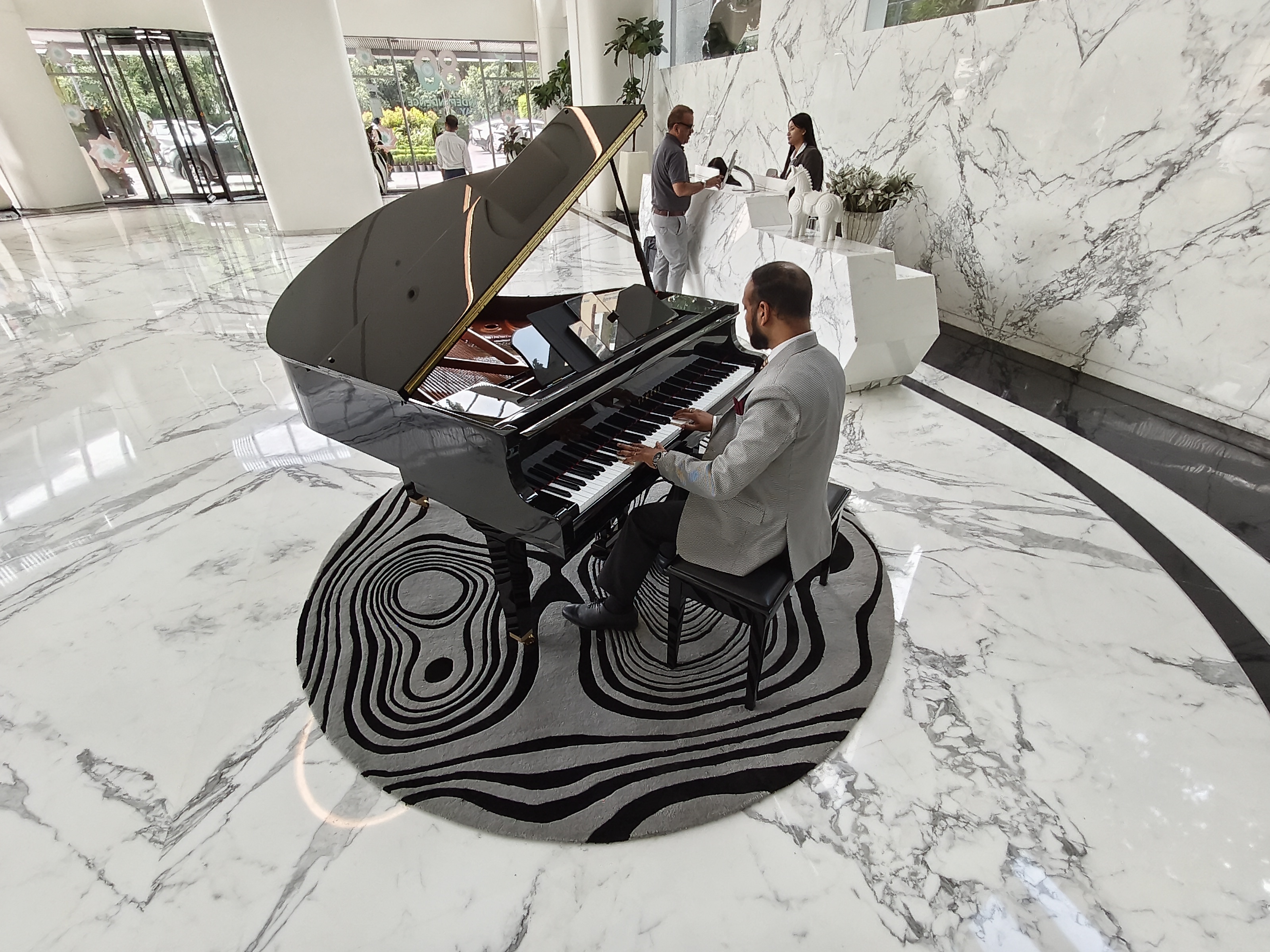

The 8MP ultra-wide camera is surprisingly capable too, retaining colours close to the original scene and sufficient detail in darker areas. Its lower resolution, however, prevents it from matching the primary camera's level of detail.


Low-light photography is also largely satisfying, with both the primary and ultra-wide cameras retaining good colour accuracy and sufficient detail. However, in dimmer scenes, the cameras lower the shutter speed, which can introduce blur when there is sudden movement.
The selfie camera captures pleasing photographs with sharp detail, including fine textures such as stubble. However, in dim lighting, it softens these details.
iQOO Z11 Battery and Charging: Long on endurance, short on charging speed
The iQOO Z11 packs a 7,050mAh battery, which may initially seem like a downgrade from the 7,300mAh cell on its predecessor, the iQOO Z10.
However, iQOO has done a commendable job with optimisation, more than making up for the reduced capacity. With the PCMark Battery test started at 70% brightness with Wi-Fi enabled, the phone lasted 15 hours and 3 minutes, which is impressive for its size.
In real-world use, it easily lasted a full day of moderate usage, including scrolling Reels, browsing articles, and some gaming, with 40–45% remaining for the next day.
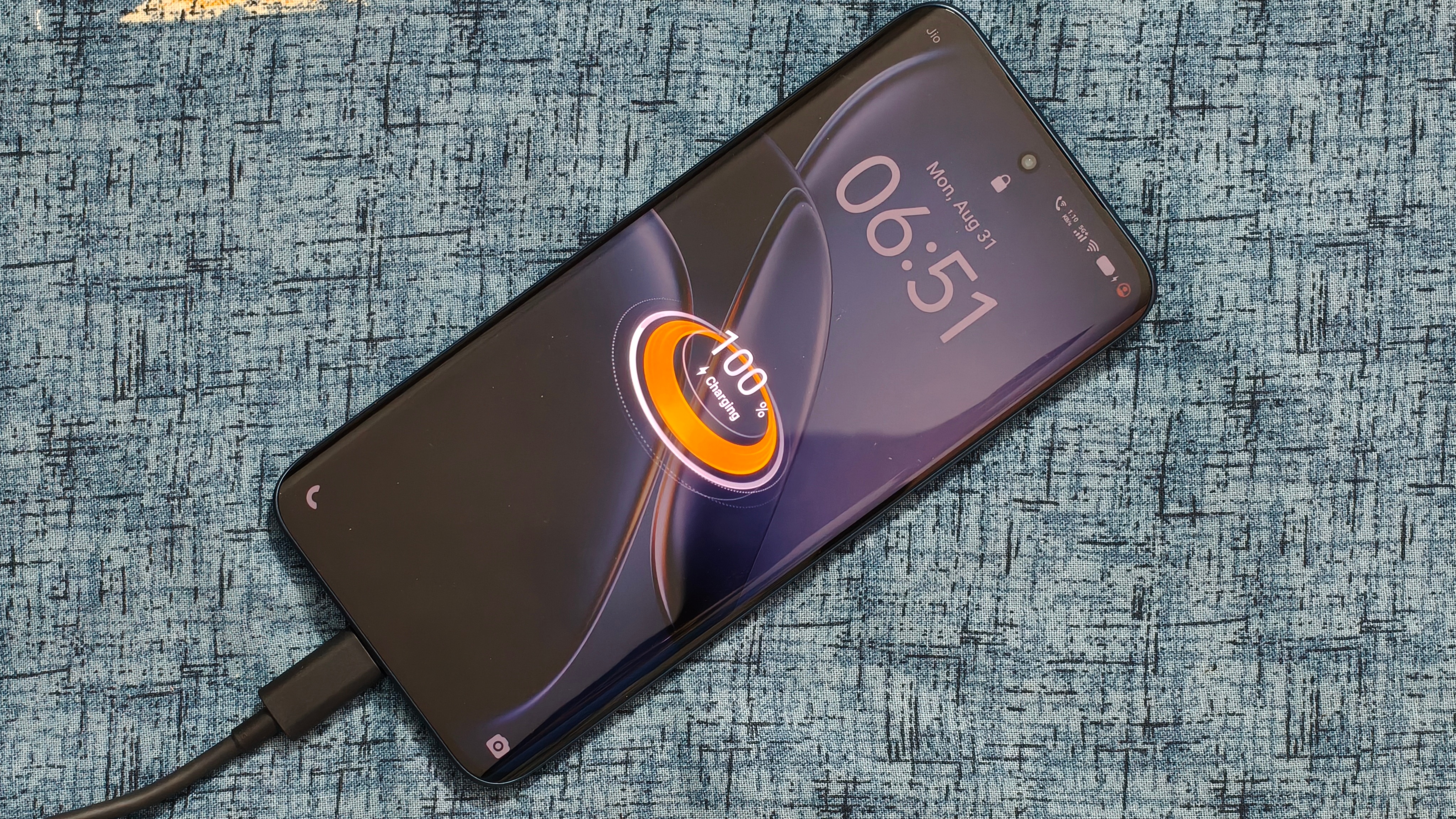
The charging experience is somewhat disappointing. The included 45W charger took 1 hour and 23 minutes to fully recharge the battery, which feels slow compared to iQOO's standards and the performance of previous Z-series phones. I suspect that iQOO may have chosen slower charging to allocate resources to more critical features of the phone, and I actually support that decision.
Verdict:
The iQOO Z11 makes a strong case as an all-rounder, even if it does not get everything right. Its sharp 1.5K AMOLED display, capable cameras, excellent battery endurance, smooth everyday performance, comfortable design, and solid connectivity give it plenty to offer. The Dimensity 7500 is less convincing in demanding games, while the software experience is hampered by bloatware and inconsistent AI features. At ₹34,999, there are faster alternatives, but the Z11's strengths come together in a way that should particularly appeal to students and college-goers. It is a practical choice for those who value a balanced everyday experience over outright performance.
1. iQOO Z11 5G (Celestial Blue, 6GB RAM, 128GB Storage) | India's 1st MediaTek Dimensity 7500 Turbo Processor* | 3D Curved Display- Brightest Display in the Segment* | AI Captions- Record & Recap*
Loading Suggestions…
Specifications
Price
34,999 rupees (6GB + 128GB), 39,999 rupees (8GB + 128GB), 44,999 rupees (8GB + 256GB), and 49,999 rupees (12GB + 256GB)
Display and Refresh rate
6.83-inch AMOLED, 144Hz
Resolution
2800 × 1260 pixels (1.5K)
Processor
Dimensity 7500 SoC
RAM & Storage
6GB, 8GB, and 12GB RAM, 128GB and 256GB storage
RAM & Storage Type
LPDDR4X and UFS 3.1
Weight
199 grams
Thickness
7.99MM
IP Rating
IP68 and IP69
Primary Camera
50MP with f/1.8, 1/1.953”, and OIS; up to 4K 30fps video recording
Ultra-wide Camera
8MP with f/2.2 and 1/1.4”; up to 1080p 30fps video recording
Front Camera
32MP and f/2.0; up to 4K 30fps video recording
Connectivity
5G, Wi-Fi 6 and Bluetooth v5.4
Battery
7050mAh, 45W fast charging
Reasons to buy

Excellent battery endurance for its size
Sharp and vibrant 1.5K AMOLED display
Capable primary and ultra-wide cameras
Smooth performance for everyday tasks and moderate gaming
Reason to avoid

Slow 45W charging for its segment
Struggles with demanding games
Bloatware and inconsistent AI features affect the software experience
Also Read:
Motorola Razr Fold review: Proves that first attempts do not have to feel unfinished
Optoma Photon Beam PK52 Review: A spectacular picture that makes you want one, and a price that makes you hesitate
POCO M8 Power Review: The screen is the reason to buy; the rest is the reason to pause
See Less

Xiaomi Pad 8 has earned a permanent spot in my backpack: Here’s why
By Sohail Khan · 31 Aug


Leave a Reply