How to check if your salted green peas contain artificial colour: Try this simple test
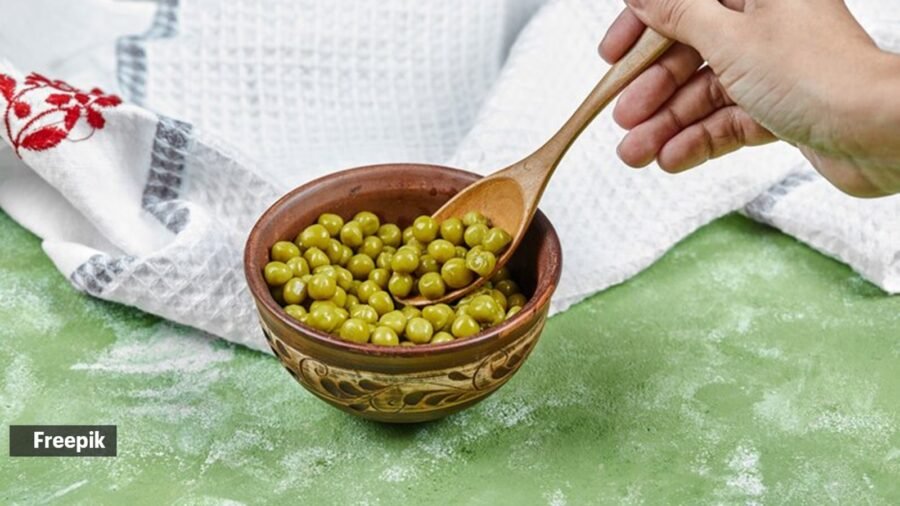
After learning about adulteration in turmeric and tomato ketchup and the wide availability of ‘banned’ Chinese garlic in the Indian market, let’s find out whether salted green peas — a popular snack often enjoyed for their crunchy texture and savoury flavour — are also adulterated and what you can do to stay protected.
“To improve their appearance, some salted green matar sold commercially may contain artificial colouring,” said Simrat Kathuria, CEO and head dietitian, The Diet Xperts.
Kahthuria states several health hazards are associated with artificial food colours frequently made from synthetic compounds. “These include childhood hyperactivity, allergic responses, and possible long-term consequences like carcinogenicity. Artificially tinted peas’ vivid green colour can trick buyers into thinking the product is fresher or healthier than it actually is,” she said.
Story continues below this ad
Agreed clinical dietitian Garima Goyal, adding that commercially produced salted matar could pose health risks, especially if they contain artificial colours and high salt levels.
They are often enhanced with artificial colours to make them look more appealing. “Artificial food dyes, such as tartrazine (Yellow 5), Red 40, and Brilliant Blue FCF, are commonly used in processed foods. These colours help products stand out on store shelves, but they often come with hidden risks,” informed Goyal.
Why is it a risk?
Allergies: Artificial food dyes can cause allergic reactions in some people, including skin rashes, swelling, or itching. For example, Yellow 5 is a known allergen for some people, said Goyal.
 Pay attention to what you buy (Source: Getty Images/Thinkstock)
Salted matar, like many packaged snacks, typically contains high sodium, which can contribute to high blood pressure (hypertension). A high-sodium diet is also linked to an increased risk of heart disease, kidney problems, and stroke, Goyal said.
Story continues below this ad
The World Health Organization recommends limiting salt intake to less than 5 grams (about 1 teaspoon) per day, but many packaged snacks contain much more sodium than this in a single serving.
Behavioural effects: In the long term, exposure to artificial colours in food may impact children’s focus and energy levels, said Kathuria.
Toxin build-up: Over time, ingesting artificial chemicals may cause them to accumulate in the body, placing additional strain on the kidneys and liver, said Kathuria.
How to check?
Put salted peas in a glass, add water, mix well, and wait 30 minutes. “If the water turns green, the peas are likely adulterated with an artificial dye,” said Goyal.
View this post on Instagram
A post shared by SALONI BOTHRA (Guwahati) (@_heresmyfood)
Story continues below this ad
What can help?
*Opt for natural, homemade snacks – Preparing salted matar at home gives you complete control over the ingredients. Soak dried peas overnight, season them with natural spices like turmeric, cumin, chili powder, or garam masala, and lightly roast them for a healthy, homemade alternative.
*Choose healthier store-bought options – If you prefer to buy packaged salted matar, look for brands that advertise “no artificial colours” or suggest that they have “natural ingredients.” Many brands now offer snacks that use beet juice or spinach powder for colouring, which are natural alternatives to synthetic dyes. Additionally, check for snacks labelled “low sodium” or “reduced salt” to reduce your salt intake.
*Balance salt intake – If you consume salted snacks, balance your daily sodium intake. “Consider avoiding other high-sodium foods, such as processed meats, canned soups, or packaged meals, and instead focus on eating whole, fresh foods that naturally contain less salt,” said Goyal.
*Read labels carefully – Always read the labels on packaged foods to understand your consumption. Look for products without artificial additives, and check the sodium content. Choosing snacks with fewer preservatives and chemicals will reduce your risk of adverse health effects,” said Goyal.
Story continues below this ad

Stocks down again — but what are the outliers in India’s share market slide?
By Sohail Khan · 29 Sep
Cash transfers alone cannot tackle the problem of educated unemployment
By Sohail Khan · 29 Sep
Rabbit vs hare: Why one runs and the other hides
By Sohail Khan · 29 Sep