How I turned the Samsung Galaxy Z Flip 8 into a ‘Zen Phone’
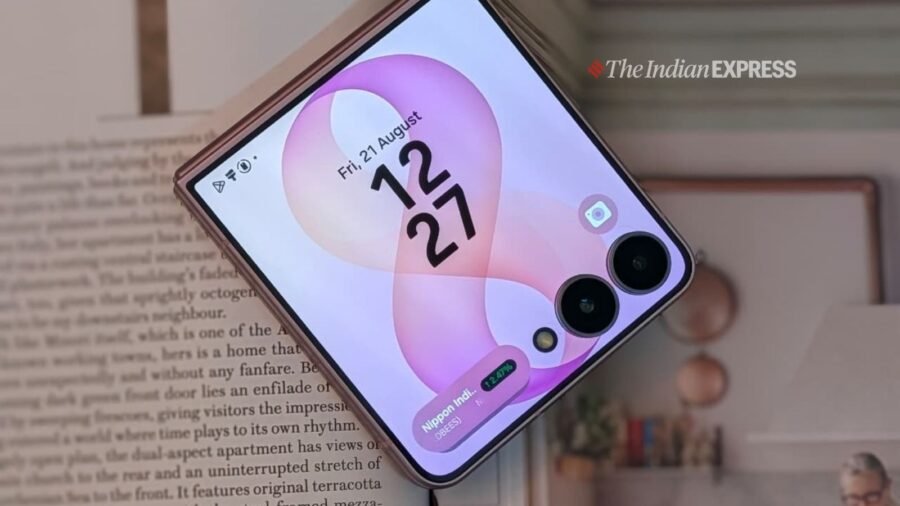
Like many Indians, I am addicted to my smartphone, and I am no longer hiding it. But I have started to question the way modern phones are designed. Their slab-of-glass form factor makes them easy to reach for and even harder to put down.
Flip phones, however, feel different to me. Something about their design encourages more intentional use: you open them when you need them, snooze notifications, and take a break from the endless demands of staying connected.
I am not saying that using Samsung’s Galaxy Z Flip 8 turned me into a believer in dumb phones or convinced me to disconnect from the world. But I will say that its flip form factor brought back a sense of calm. That’s why I’ve started calling Samsung’s latest Z Flip 8 the “zen phone.”
Story continues below this ad
The compact form factor slips easily into a pocket and, when folded, almost disappears from view. It lets you stay connected to the outside world without demanding your attention every second — giving you the freedom to decide when to engage and when to tune out the noise.
Since I’m constantly looking at a screen, the Galaxy Z Flip 8 gives me a more minimalist, almost “dumb phone” experience without making me give up smartphone conveniences.
Perhaps the one thing that helped me the most and turned the Flip 8 into a “zen phone” was deleting all my social media apps, including Reddit, which I am currently obsessed with and addicted to.
Changing your phone may not solve the problem, but changing how you use it, along with developing healthier habits, can help create a more positive mindset. I am not against modern smartphones. Phones are useful and can make our lives easier, but self-control is necessary, and many of us struggle with it.
Story continues below this ad
A minimalist phone at heart
I have tried switching to dumb phones in the past, like the Nokia 2660, but their limited features completely cut me off from the outside world, and as a tech journalist, I can’t afford to be disconnected.
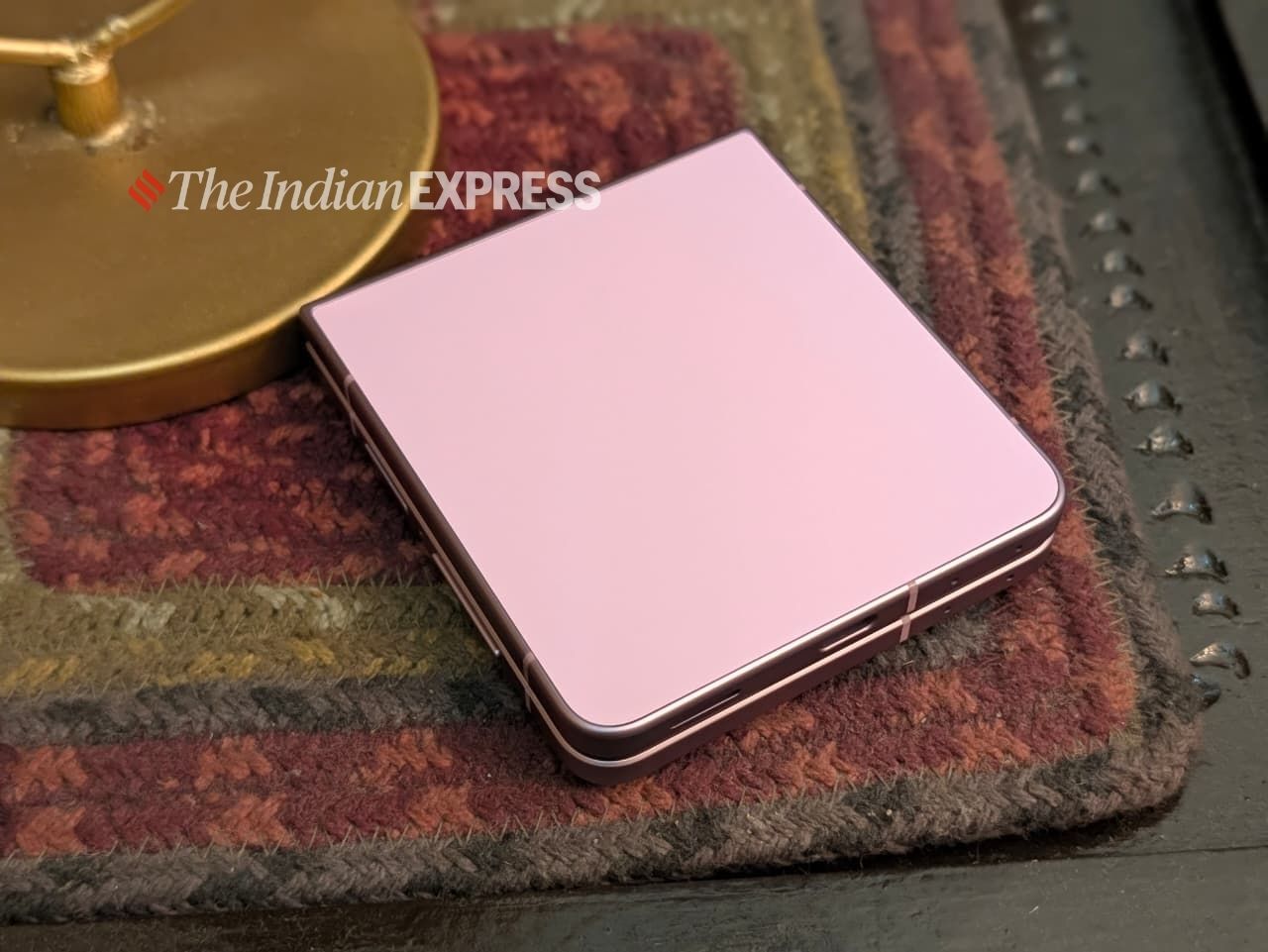 Samsung’s flip-style smartphone isn’t just a cool-looking device but is also designed to be less addictive to phones.
But I always wanted a smartphone that could help limit my screen time. Samsung’s flip-style smartphone isn’t just a cool-looking device that’s more powerful than dumb phones; it’s also designed to be less addictive than other phones.
Because opening the main screen takes a little more effort, you naturally open it less and rely more on the smaller cover screen. The change may not be obvious at first, especially if you’ve never used a flip-style foldable phone, but once you get used to it, you start to notice something else: just how much time you may have spent mindlessly scrolling through social media when you could have been doing something more meaningful or productive.
That’s where the Flip 8 makes a difference for me. It encourages you to be more present, use your phone with greater intention, and spend less time getting lost in the endless scroll.
Story continues below this ad
Its design is reminiscent of old-school flip phones, but in every sense, it’s a modern smartphone.
 I rarely felt the need to use the internal 6.9-inch display, except in a few cases,.
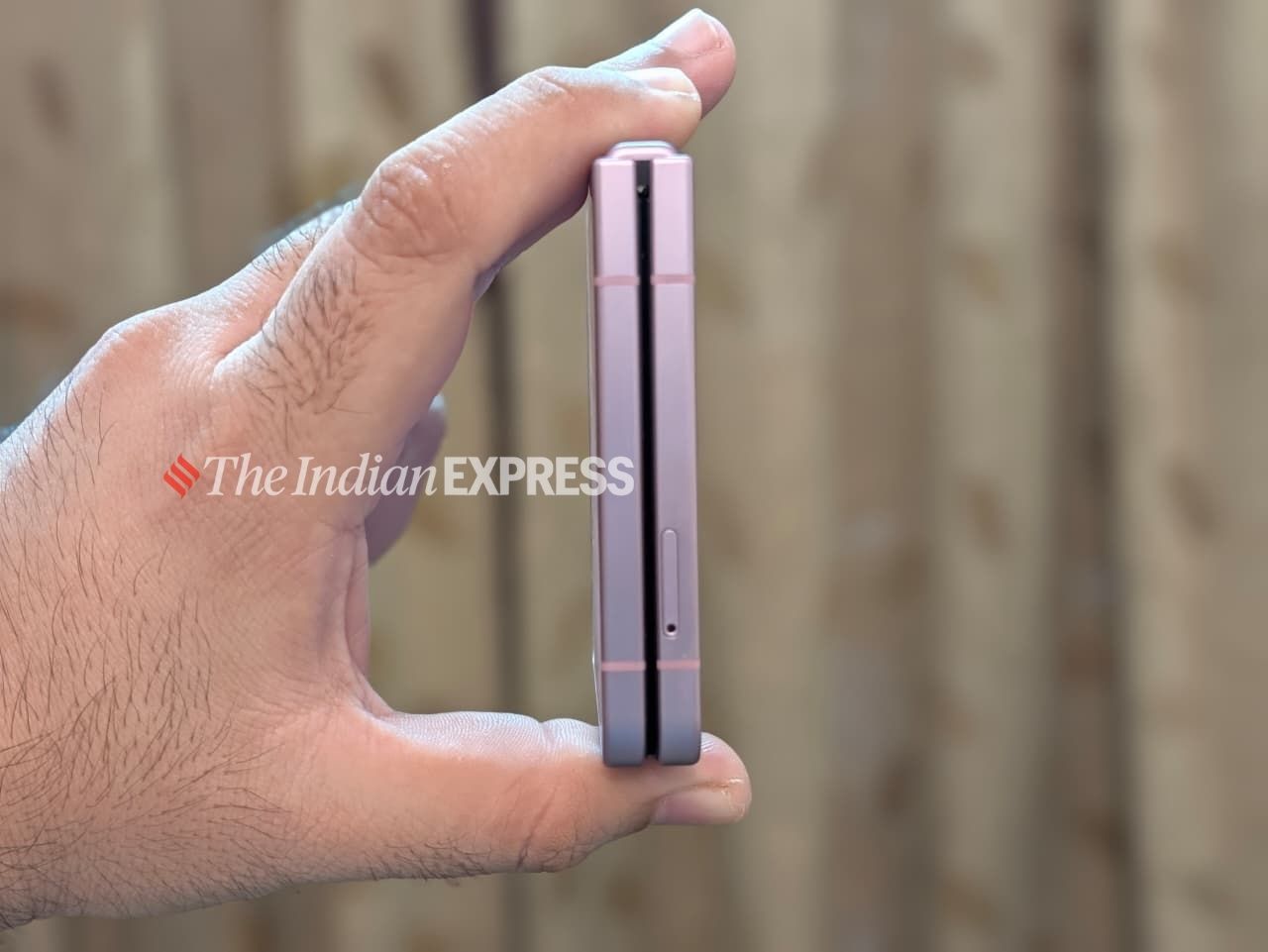
While the Flip 8 doesn’t change the formula, I noticed one small change. The edges are still flat but now slightly tapered. This subtle tweak makes it much easier to unfold the phone. So, even though the Flip 8 may not look very different from its predecessor, these small design tweaks make the new flip phone much better from a usability standpoint.
Window to the world
The Flip 8 has two screens: one on the front and another 6.9-inch foldable display that fills the entire inside of the phone. When closed, the phone has a 4.1-inch cover screen that lets users view and respond to notifications. I spent about 85 per cent of my time using the cover screen on the Flip 8, which tells you exactly why I favour it over a traditional slab-style smartphone.
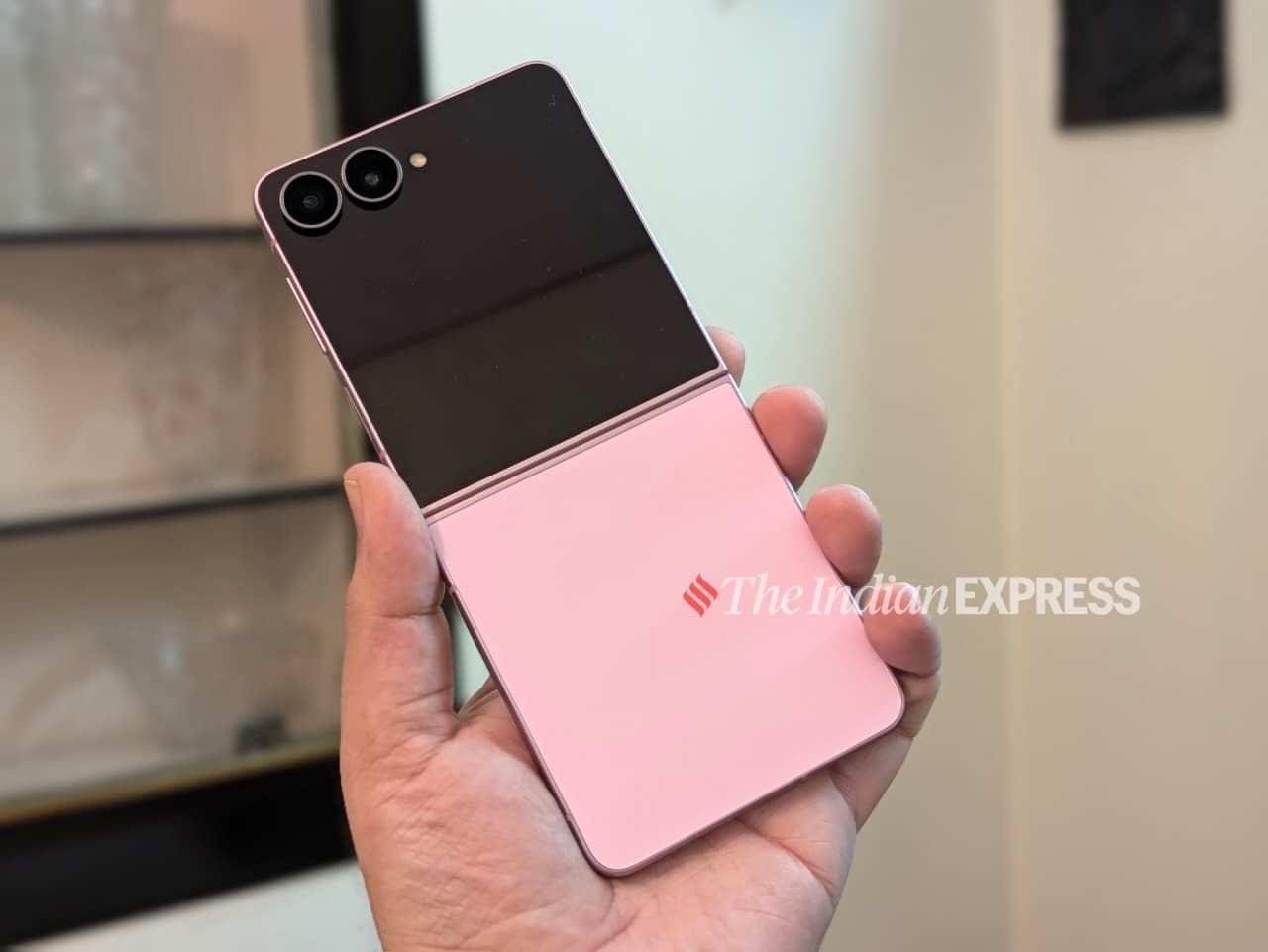 The phone also supports a dual video recording.
I rarely felt the need to use the internal 6.9-inch display, except in a few cases, especially before going to bed when I wanted to catch up on the news. I made sure to download the apps I use the most and can’t navigate my digital life without, while intentionally deleting all social media apps.
Story continues below this ad
Perhaps the reason the Flip 8 worked so well for me, as I mentioned earlier, is the sheer usefulness and practicality of its outer cover screen. I could add apps by scrolling up through the app drawer and tapping “Add apps” to access any app installed on my phone. On my Flip 7, I had to navigate through multiple settings menus to do the same thing.
The Flip 8 makes accessing apps on the cover screen much easier. I added Google Maps, the Calculator app, Spotify, and other apps I use most often, and I access them from the cover screen. This is the kind of screen I wanted for doing “phone-y things”, even texting someone or replying to an email.
The quality of both screens is good, but I have been intentionally watching YouTube videos on the cover screen, and I am adjusted myself to the small screen size.
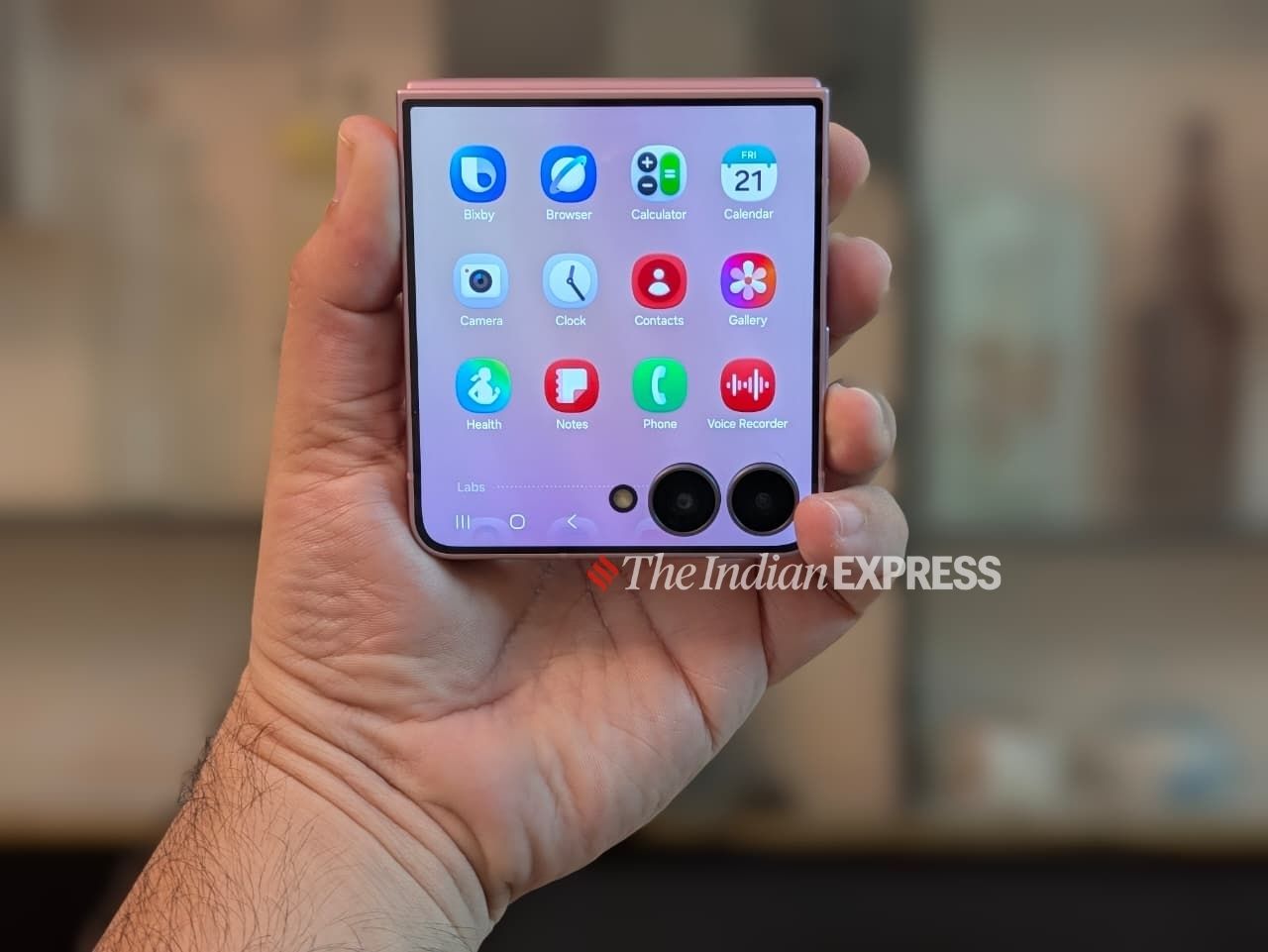 The quality of both screens are good.
Little tweaks here and there
I also found the cover screen useful for managing alerts. You can quickly see, interact with, and dismiss notifications right from the front screen, something that feels right on a flip phone.
Story continues below this ad
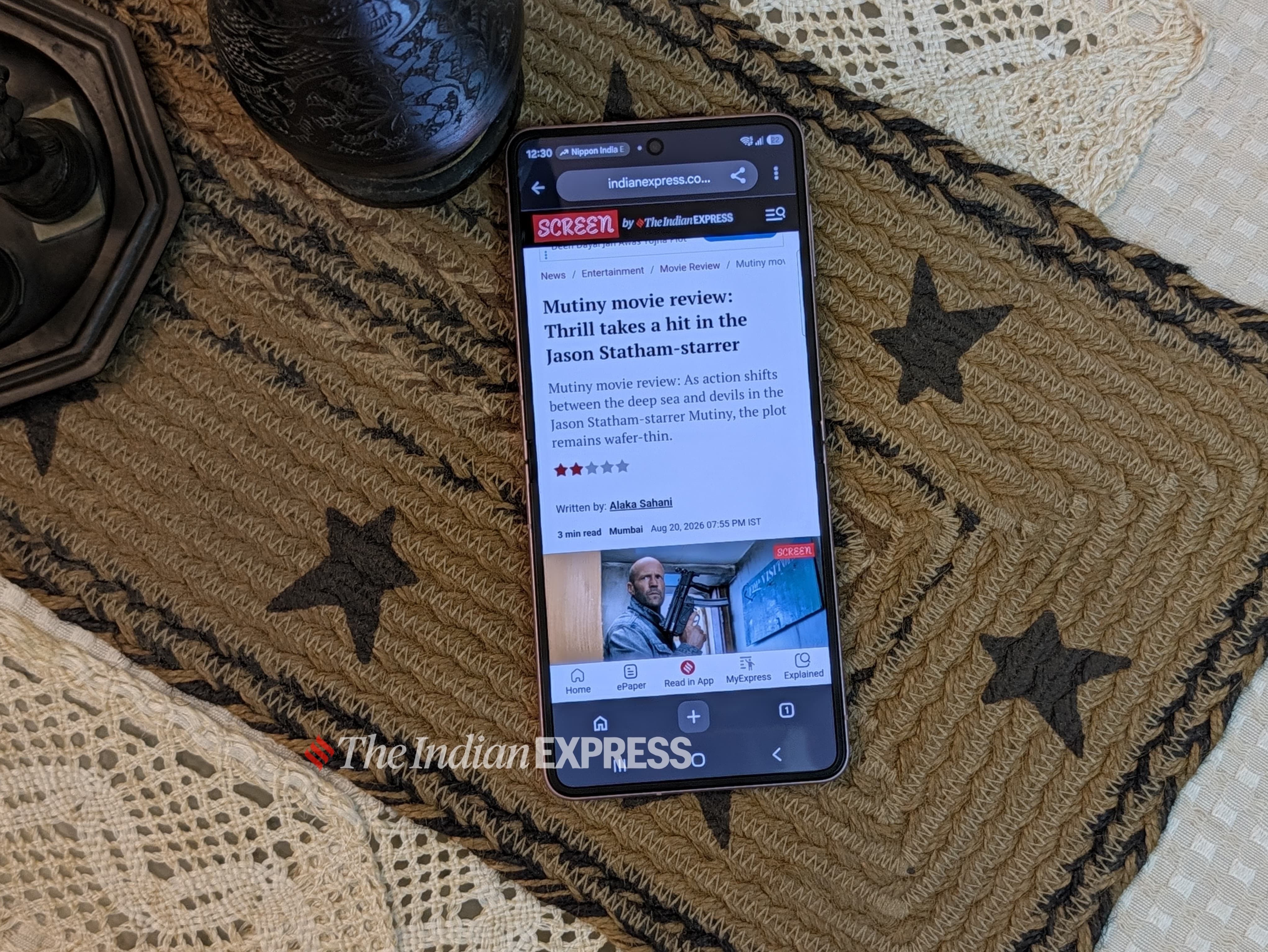 The Flip 8 is powered by Qualcomm’s Snapdragon 8 Elite Gen 5 for Galaxy.
What also helped me turn the Flip 8 into a “zen phone” was turning off notifications after 10 pm and enabling Do Not Disturb when I was busy. I don’t think everyone deserves my attention, and being selective about whom I interact with has helped me cut out the outside noise.
While the Flip 8’s flip form factor and the deletion of social media apps helped me break my smartphone addiction, I also downloaded apps and changed the phone’s settings to help limit my time on the device.
One thing I realised later during the review was that, while I deleted all my social media apps from day one of using the Flip 8, the phone’s cover screen simply isn’t the right size for scroll-heavy apps such as Instagram.
For example, I relied on Opal, which helps reduce phone use by tracking screen time, providing detailed reports, and letting you block apps or make them harder to open. I also tried Niagara Launcher, a third-party app that helped me cut down on doomscrolling by simplifying my phone’s interface.
Story continues below this ad
With only five essential apps on the home screen, a less visually appealing app drawer, and a monochrome theme, it makes me more mindful about when and why I use my phone.
Flip-style foldables are not for everyone, and that’s okay
After using the Flip 8 for a few days, I realised the flip-style form factor is still one of the best ways to curb my smartphone addiction. I don’t expect everyone to follow me and switch to a flip phone in 2026. I am privileged enough to try new smartphones, and with an asking price of Rs 119,999, the Flip 8 sits firmly in luxury territory. (I hate how the memory crisis has made smartphones so expensive.)
I am not even sure I would recommend it. But I will say this: even though flip foldables are no longer as hot as they once were, the form factor has a unique quality: it can turn a smartphone into a more minimal, distraction-free experience without forcing you to compromise on features or settle for a poor-quality display.

Meet Microduck, Hugging Face’s new open-source AI robot that can learn new tricks
By Sohail Khan · 28 Aug
GTA VI Extended Look releases on Netflix, Youtube: Here are 5 features that stood out
By Sohail Khan · 28 Aug
OpenAI and 100 others warn that window to defend against AI attacks is narrowing
By Sohail Khan · 28 Aug
Leave a Reply