Govt likely to increase random drug testing from 10% to 25% of flight crew
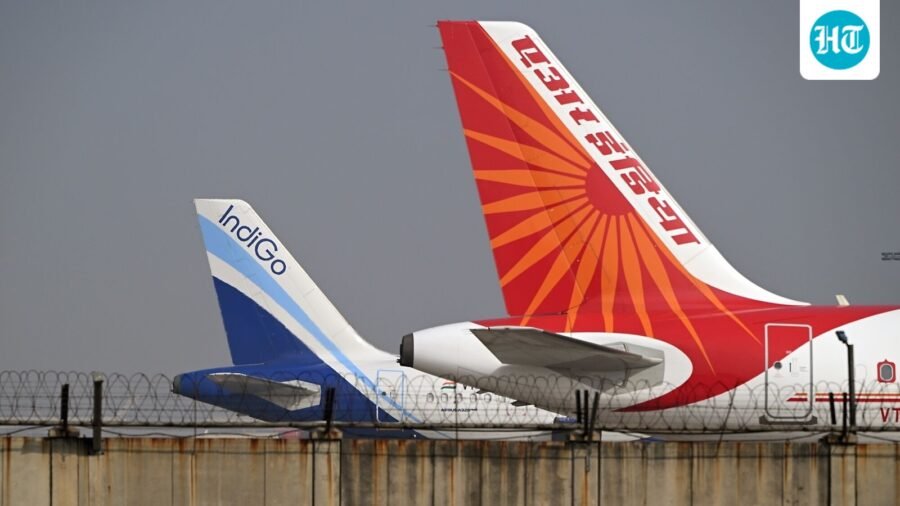
Last week, Air India said that it will screen all of its pilots for psychoactive substances to ensure stricter discipline.
Published on: Aug 19, 2026, 18:51:44 IST
Prefer HTon Google
Share via
Copy link
The ministry of civil aviation is likely to increase random drug testing for flight crews from 10 per cent to more than 25 per cent, sources said.
Drug testing for flight crews drew more focus recently after the pilot of a Phuket-Delhi Air India flight, which faced heavy turbulence, tested positive for marijuana, a psychoactive substance. The flight had suddenly lost altitude and dropped 300 feet, leaving 24 passengers injured in the turbulence.
Last week, people familiar with the matter said that Air India and Air India Express will begin screening of all their pilots for psychoactive substances, even as the Centre was planning to amend rules to enforce stricter action against pilots testing positive for drugs.
“We have decided to undertake a full screening of all Group pilots for any substances or medications that are not permitted under prevailing regulations. This testing is mandatory and will start today, 13 August 2026,” Manish Uppal, head of flight operations, Air India, wrote in an email to all pilots of the group, as seen by .
What do the current rules say?
The Directorate General of Civil Aviation's (DGCA) CAR (civil aviation requirement), Section 5, Series F, Part V — titled 'Procedure for examination of aviation personnel for consumption of psychoactive substances' — was issued in September 2021 and enforced in January 2022.
The rule was framed in line with the International Civil Aviation Organisation (ICAO) policy on problematic substance use in aviation, says CAR.
The rules cover flight crew, air traffic controllers (ATCO), aircraft maintenance engineers and certifying staff, trainee pilots, instructors, and examiners.
Flight crew and ATCOs are the only ones covered under the mandatory rule that at least 10 per cent of them be randomly tested every year. Meanwhile, employees under other categories are tested at the time of hiring, after specific safety events, and as follow-ups.
CAR requires urine sampling, split at the point of collection into two sealed containers, and prescribes testing for six classes of psychoactive substance: amphetamines and amphetamine-type stimulants, opiates and metabolites, cannabis measured as tetrahydrocannabinol (THC), cocaine, barbiturates and benzodiazepines.
See Less

Nirmala Sitharaman in U.S. Asheville city for G-20 finance ministerial meet
By Sohail Khan · 31 Aug
Assam govt to invest ₹50,000 crore in developing infra over 5 yrs: Himanta
By Sohail Khan · 31 Aug
Leave a Reply