Fox-faced and fruit-loving: What makes this Indian bat so unique
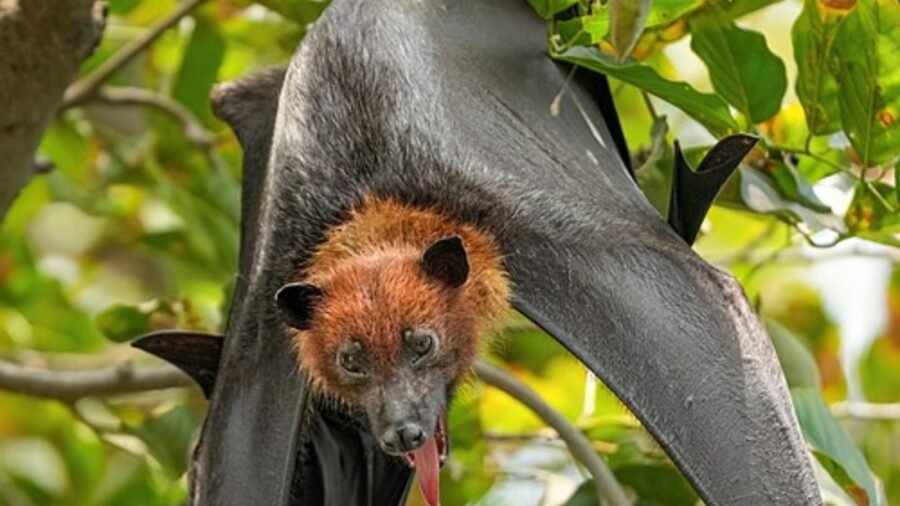
The Indian flying fox is one of India’s largest bat species. With its fox-like face, broad wings and habit of hanging upside down from trees, it is easy to see how it got its distinctive name. But unlike many bats that feed on insects, the Indian flying fox is primarily a fruit-eating bat and plays an important ecological role.
Wildlife photographer and conservationist Indrajit Ghorpade explains what makes this often misunderstood animal unique.
One of India’s larger bats
“The Indian flying fox is one of the largest bats, and it is very useful in seed propagation,” says Ghorpade. As the bats feed on fruits, they can carry and disperse seeds over considerable distances. This makes them important to vegetation regeneration and spread.
Story continues below this ad
“They disperse [seeds] far around,” Ghorpade adds. Their role as seed dispersers is particularly significant in ecosystems where trees rely on animals to move their seeds away from the parent plant.
Why is it called a flying fox?
The name comes from the animal’s distinctive appearance. “Their ears like foxes give the name Flying Fox,” says Ghorpade. The Indian flying fox has a fox-like face, relatively large eyes and pointed ears, giving it a very different appearance from the smaller insect-eating bats many people are familiar with.
Fruit eater, not an insect hunter
One of the most noticeable differences between the Indian flying fox and many other bats is its diet. “They are unique from other bats as they feed solely on horticultural crops and fruits. This is called fruit-eating bats,” says Ghorpade.
Their preference for fruit and cultivated crops can sometimes put them in conflict with farmers and orchard owners. “They are called pests as they feed on horticultural trees and fruit,” he says.
Story continues below this ad
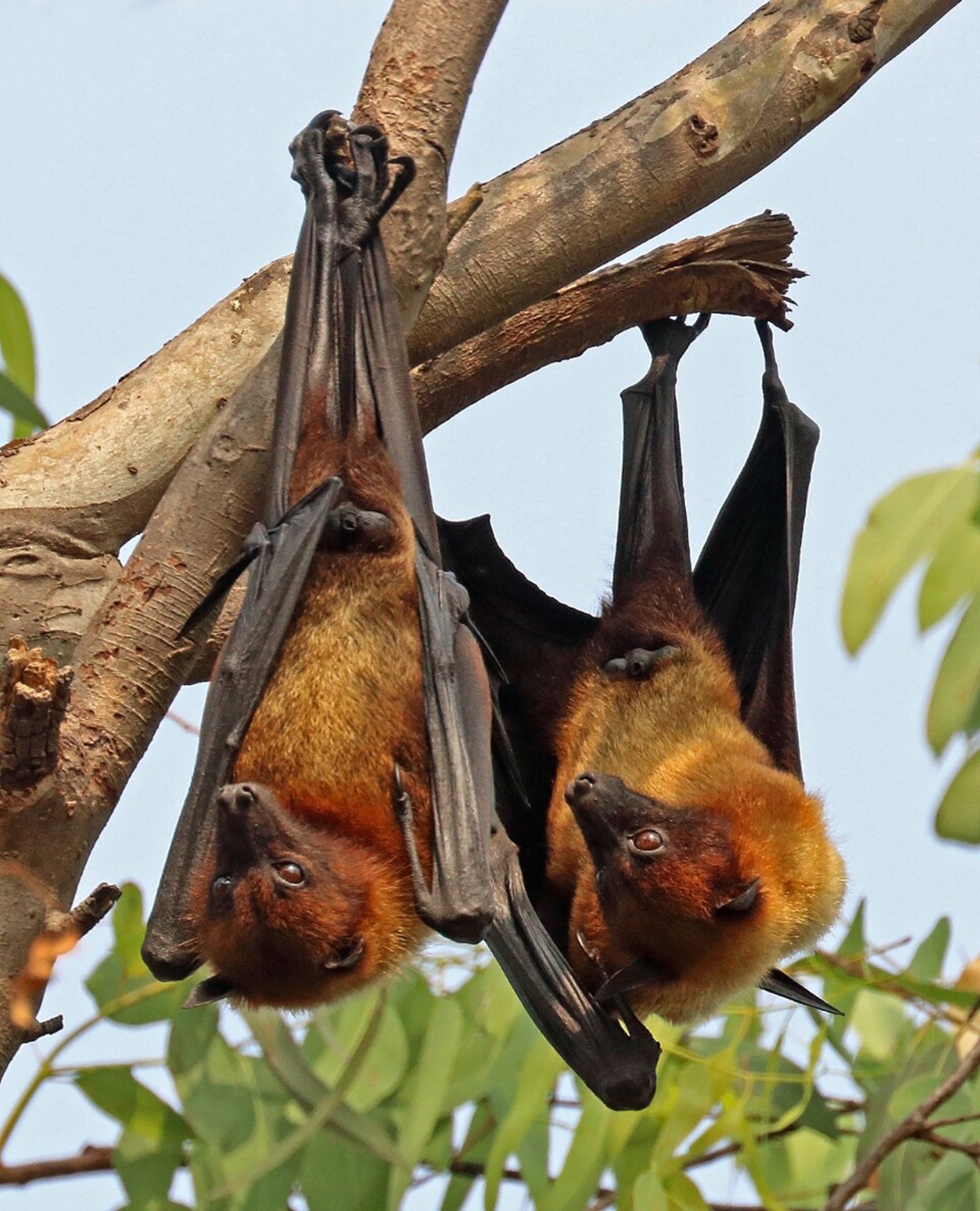 Indian Flying Fox
Why are they active at night?
“Flying at dusk to feed, resting during the day, they are nocturnal active at night,” says Ghorpade. They sleep while hanging upside down, using their feet to cling to branches. Large colonies can gather on suitable trees, making their daytime roosts easy to spot.
Their nocturnal feeding also means that crop damage may not always be noticed as it happens. “So crop damage is not seen,” Ghorpade explains.
Why are their numbers declining?
“Loss of large trees for roosting has affected numbers,” says Ghorpade. Their habit of gathering in large colonies can also make them vulnerable when roosting sites are disturbed or removed. “Again, habitat loss and hunting are causing reduction in populations,” he adds.
The species has also historically been hunted because of beliefs surrounding its supposed medicinal properties and use as an aphrodisiac. “Human coexistence is sometimes a conflict especially roosting sites near urban areas,” says Ghorpade.
Story continues below this ad
Large colonies can be noisy and messy, while their presence near fruiting trees can lead to concerns among residents and growers. At the same time, their daytime roosting behaviour can leave them exposed to disturbance when people encounter them, he adds.
Explore more captivating stories about pets and animals here, and make us your daily stop for the latest from the animal kingdom.

Pregnant Samantha Ruth Prabhu is training differently these days: ‘Stop at 70% max’
By Sohail Khan · 31 Aug
Nepal floods: The Himalaya are not a blank canvas for grand infrastructure
By Sohail Khan · 31 Aug
‘Needles in haystacks’: An expert explains the challenge of early warnings in the Himalayas
By Sohail Khan · 31 Aug
Leave a Reply