Express in Nepal: At search and rescue hub, helicopters, stench of death
At 9.02 am on Wednesday, Milan Kharil, a 32-year-old geologist engineer at the Trishuli 1 hydropower plant in Rasuwa district of Nepal’s Bagmati province called a junior colleague and told him to immediately rush to higher ground. A flood was about to hit their facility, Milan said.
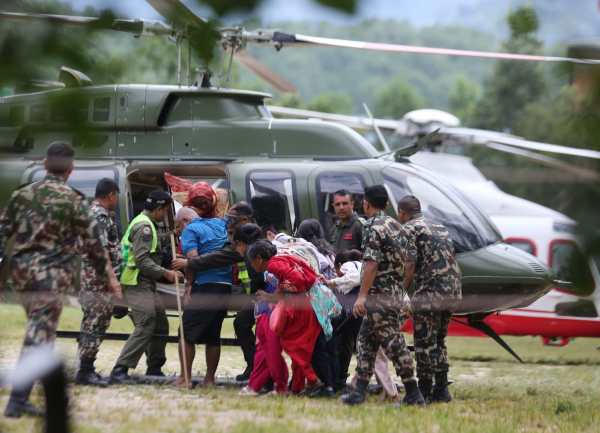 Today at the army base where a rescue and relief command centre is based, scores of school children were among those who were rescued from the adjoining regions cutaway after the floods.
Twenty-four minutes later, at 9.26 am, Milan’s phone transmitted its location for the last time. The instrument was then at a place it would have taken more than two hours to reach by road.
Two days later, Milan remains missing. His sister Priya Kharil, two years older than Milan, continues to hope he will be found alive.
Story continues below this ad
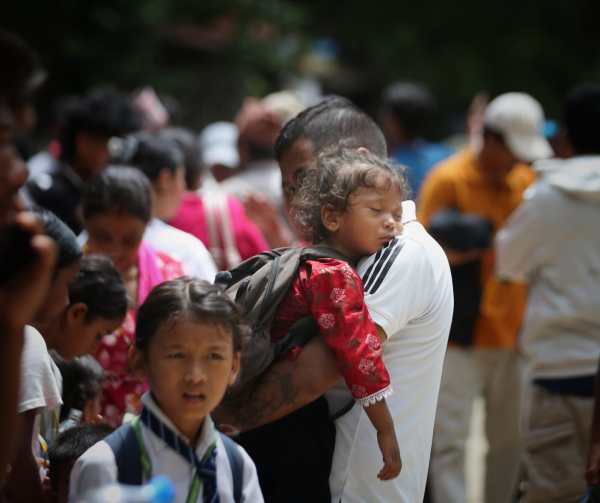 The river front and the adjoining areas were cordoned off and residents were made to climb up to higher grounds.
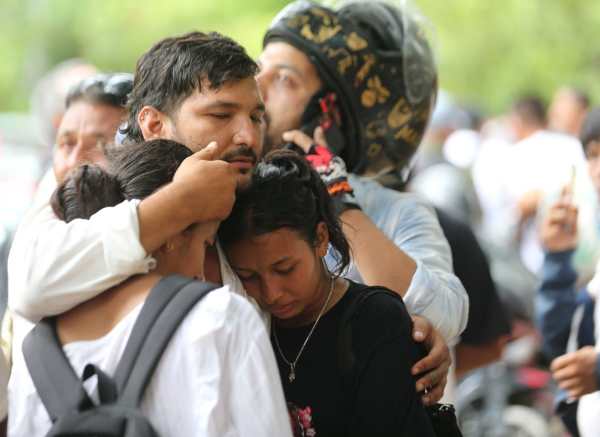
“Some workers at the project told me that they had seen him rush out of the facility. But there is no other information,” Priya said, sobbing quietly inside the Shree No. 1 Military Training Centre in Trishuli.
 Express Photo by Tashi Tobgyal
This military centre in central Nepal has become the main hub of search and rescue operations as Nepalese security forces scour the valleys and hills for survivors of the catastrophic flash flood that swept through districts along the country’s border with Tibet.
Nepalese authorities put the official number of dead at 547 on Friday evening. Among the missing were at least 320 Indian nationals and more than 100 people of Indian origin, India’s Ministry of External Affairs said.
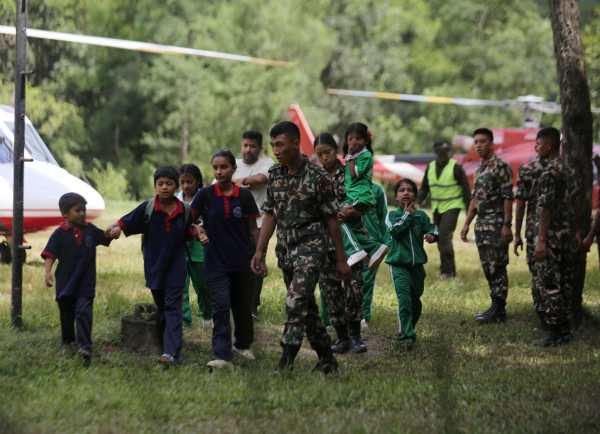 Security personnel send out loud warnings on an impending second flood, after reports of a second lake break in the higher regions.
On Friday, every time a helicopter landed at the camp, bringing back survivors from far-flung locations, hope stirred in Priya. She got up, expecting some news of her brother. At this camp and elsewhere, scores like Priya have been pinning their hopes on the forces to bring back their loved ones, if they are still alive – or at least confirmation of their worst fears.
Story continues below this ad
Among those who made it back alive to the camp were 45-year-old Ramesh Chaudhary and 43-year-old Bepali Tharu. They had come to nearby Shanti Bazaar after hearing of the death of a cousin.
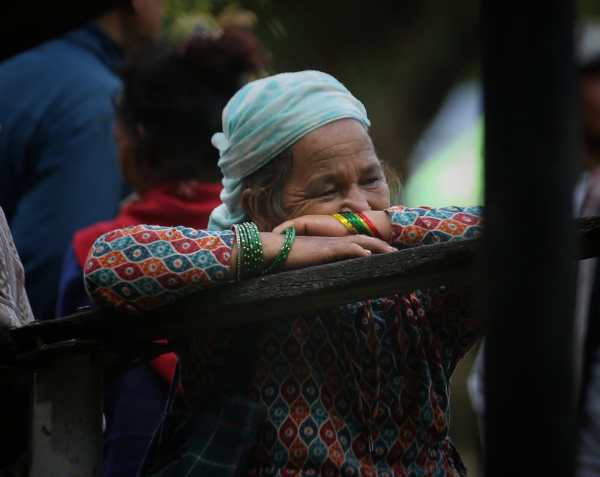 The river front and the adjoining areas were cordoned off and residents were made to climb up to higher grounds.
“We had come to give her (cousin) a peaceful sendoff. We were in the midst of prayers when we heard loud shouts in many voices. Both of us ran up to the fourth floor of a school building next door,” Chaudhary said.
As Tharu and he rushed up, they thought others who were present at the funeral would follow them, Chaudhary said.
“But we realised that no one else from our family had made it. I lost my wife, my jethani, and my sasur all on the same day,” he said.
Story continues below this ad
As the helicopter rotors roared nearby, 29-year old Santosh Thapa stood in a daze. Thapa, an employee of Gosaikunda Municipality, said he was still struggling to make sense of what he had seen on Wednesday.
“The entire sky had turned black. It was as though the devil himself had come down from the sky,” he said.
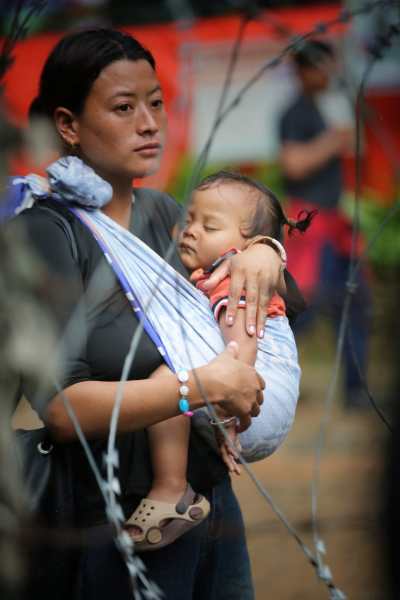 Express Photo by Tashi Tobgyal
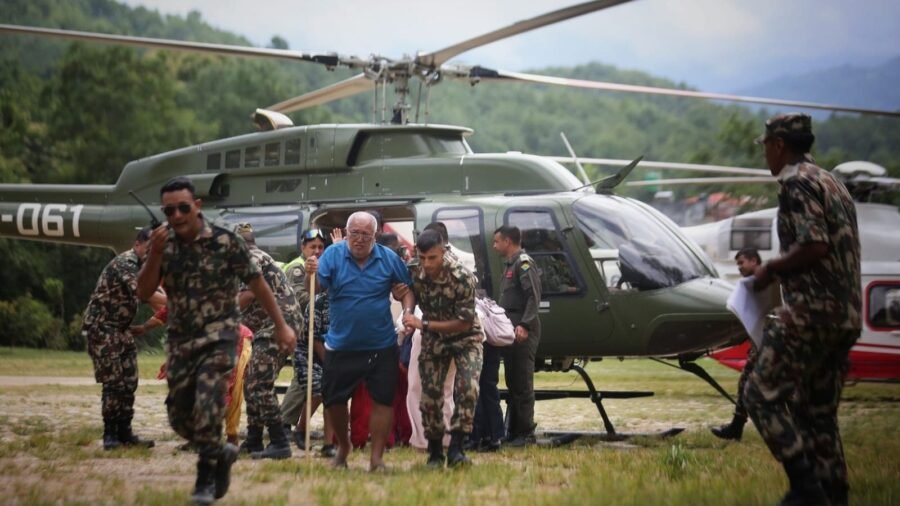
At least five helicopters operated through the day at the camp. People were brought in, and supplies were loaded and unloaded. Those who were brought in were checked for injuries, and their vitals were recorded. After that, they were asked their details, so the army could put them in the list of survivors. And then everyone was given two packets of chocolate biscuits and a bottle of water.
A stench hung over the camp. At a demarcated place near the entrance to the facility, bodies lay covered in blue tarpaulin.
Story continues below this ad
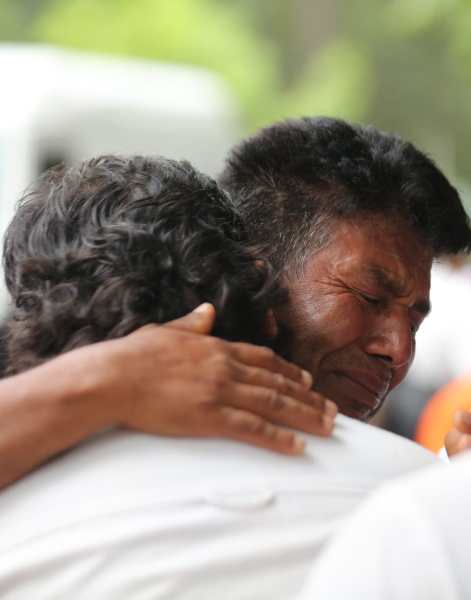 Express Photo by Tashi Tobgyal
A large number of those rescued on Friday were workers at the power plants on the Bhote Kosi river. Others said they had seen the lands that their families had tilled for generations laid waste in seconds. Survivors said most of the area was just mud and debris now.
“We are mostly seeing crush injuries, but we don’t have the equipment to treat serious injuries here. So they are being airlifted to Kathmandu. We only have basic equipment to treat open injuries and wounds,” an army doctor at the camp said.

‘Our position no different from BJP’s’: NC faces another swipe from within on statehood
By Sohail Khan · 28 Aug
Miscreants trigger bomb blast at BJP MLA’s residence in Manipur
By Sohail Khan · 28 Aug

Leave a Reply