CJP vows to continue ‘fix schools’ campaign after Rajasthan govt restricts access
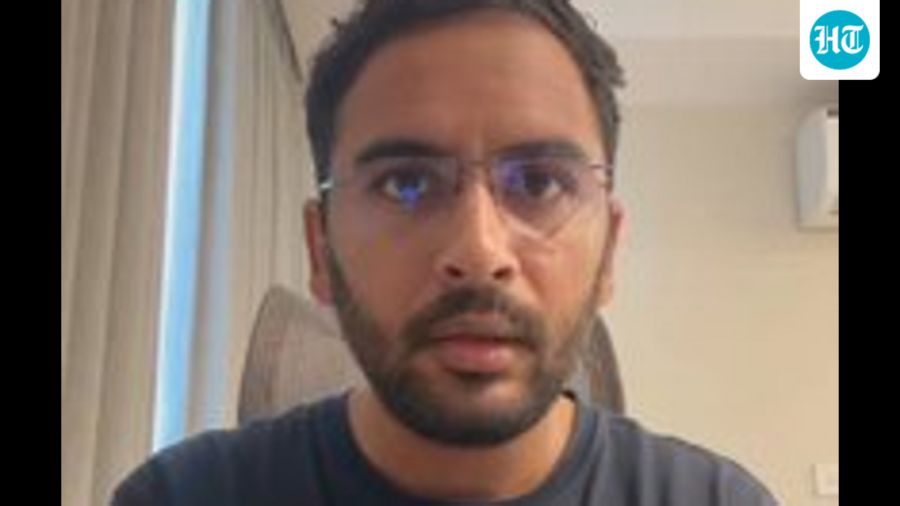
CJP spokesperson Ashutosh Ranka joined students protesting the dilapidated condition of a school in Alwa as part of the campaign
Published on: Aug 17, 2026, 10:41:40 IST
Prefer HTon Google
Share via
Copy link
The Cockroach Janta Party (CJP) vowed to continue its “School Theek Karo” (fix schools) campaign after the Rajasthan government issued guidelines restricting the entry of “outsiders” and prohibiting photography and videography on school premises without prior permission.
The guidelines were issued on Sunday after CJP spokesperson Ashutosh Ranka joined students protesting the dilapidated condition and lack of drinking water facilities at a government school in Alwar’s Thanagaji as part of the campaign. Ranka sought a written assurance that the problems would be addressed.
Ranka hit out at the government over the guidelines, accusing it of trying to stop public scrutiny. “Instead of fixing schools, the Rajasthan government has started shutting down school audit activities. Whatever the Rajasthan government does, we will get our schools fixed,” Ranka wrote on X. He said education minister Madan Dilawar could lodge a case or even arrest them, but they would continue inspecting schools until their condition improves.
Opposition Congress leader Govind Singh Dotasara said that the restrictions aimed at concealing shortcomings in the government school system rather than addressing them. “Instead of improving the condition of government schools, the BJP [Bharatiya Janata Party] government has found a way to cover up its failures and conceal the poor state of the education system,” Dotasara wrote on X.
He said that if conditions in government schools were satisfactory, the government should have no reason to fear photographs or videos showing school buildings, classrooms, teacher shortages or problems faced by students.
Dotasara called local communities, parents and public representatives stakeholders in the management and development of government schools. He added that any measure weakening public oversight would undermine transparency in the education system.
In the guidelines issued on Sunday, secondary education director Lalit Kumar said that no outsider will be allowed to enter a government school without prior permission from the principal or head of the institution. It added that outsiders will not be permitted to enter classrooms, hostels, libraries, toilets or other areas students use unless an authorised school employee or teacher accompanies them. Photography, videography, interviews, audio recording and live streaming on school premises will require prior written permission from the principal.
The guidelines warned that those entering school premises without permission could face legal action under the Bharatiya Nyaya Sanhita, the Protection of Children from Sexual Offences Act, the Juvenile Justice Act, and the Information Technology Act. Government officials visiting schools in an official capacity have been exempted from the restrictions.
School authorities have been directed to ensure that photographs, videos, or personal information of students are not published or circulated in a manner that could compromise their privacy, dignity, or safety.
Principals have been directed to immediately inform the police and the district education officers if a person enters a school without permission and refuses to leave, or attempts unauthorised photography or videography.
The government invoked the principle of “in loco parentis”, or acting in the place of a parent. It said the state has a special responsibility to protect the safety, dignity, privacy and well-being of children studying in government educational institutions.
The order cited the right to life, dignity, and privacy under the Constitution’s Article 21, Supreme Court judgments on privacy, and the National Commission for Protection of Child Rights’ school safety guidelines.
See Less
Shehzad Poonawalla quits BJP, cites ‘pressing financial and personal circumstances’
By Sohail Khan · 17 Aug

Rooftop solar in Tamil Nadu gets a fresh boost
By Sohail Khan · 17 Aug
Leave a Reply