Before you buy: From ingredients to skin type, here’s what to check before choosing a skincare serum

Before you buy: From ingredients to skin type, here’s what to check before choosing a skincare serumPublished on: Aug 28, 2026, 14:50:24 IST
Prefer HTon Google
Share via
Copy link
Expensive doesn’t always mean better. Here's how to pick a skincare serum that actually suits your skin.
In this edition of Lifestyle’s ‘Before You Buy’ series, we explore the hype around skincare serums and what you should know before adding one to your routine. We spoke to Dr Aisshwarya Panddit, founder of NOVEA Aesthetic and Regenerative Clinic (by AuraEdge Wellness Pvt Ltd), to understand how skincare serums work, whether they live up to their claims, and what consumers should look for before buying one.
Also read | Dermatologist shares skincare tips to protect your skin from India’s sudden weather shifts
Hype around serum
Walk into any beauty aisle or scroll through Instagram, and the message is the same: you need a serum. What is far less clear is which one, and why. With brightening, anti-ageing, hydrating, and pore-refining formulas all fighting for the same shelf space, most people end up buying on packaging or a creator's recommendation rather than on what their skin actually needs.
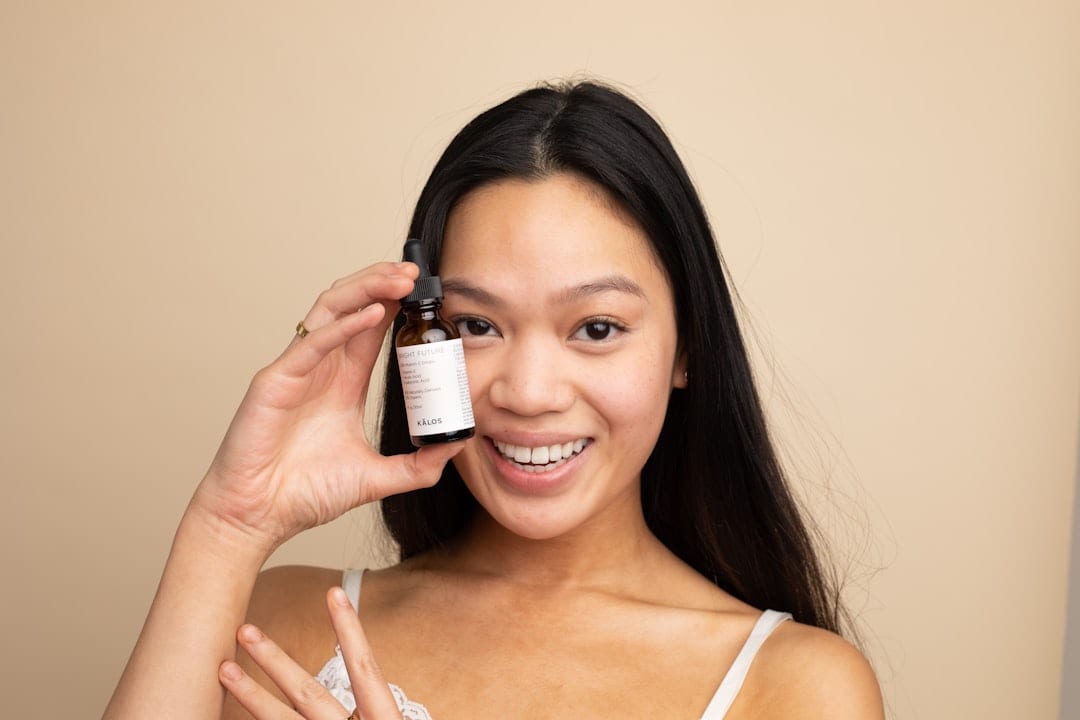
Dr Aisshwarya highlighted that the confusion begins with a basic misunderstanding of what a serum is. “A serum is a concentrated delivery system. It is not a moisturiser, and it is not a cure. It carries a higher dose of an active ingredient in a lightweight base so it can penetrate deeper. That is exactly why it needs to be chosen carefully. The wrong active at the wrong strength can do more harm than a bad moisturiser ever will,” added Dr Panddit.
Things to consider before buying a skincare serum
1. Start with one concern, not five
The first mistake, according to Dr Panddit, is buying a serum that promises everything. Serums work best when they do one job. If you are dealing with dullness, look at vitamin C. For dehydration, hyaluronic acid. For fine lines and texture, retinol or peptides. For oiliness and enlarged pores, niacinamide. A product listing eight actives in one bottle is usually diluting all of them.
2. Read the ingredient list, not the front label
“Ingredients are listed in descending order of concentration, so the actives that matter should sit near the top of the list,” said Dr Panddit. She also advises checking whether the brand discloses the percentage at all. A vitamin C serum that does not tell you the concentration is asking you to trust marketing. Well-formulated products state it clearly, along with the form of the ingredient, because that determines whether it is stable and whether your skin can actually use it.
3. Packaging is part of the formula
Some actives, particularly vitamin C and retinol, degrade with exposure to light and air. A serum sold in a clear, wide-mouth bottle is a warning sign. Opaque or amber packaging with a pump or dropper protects the ingredient from oxidising before it ever reaches your skin.
4. Know what not to combine
Layering serums without guidance is one of the most common causes of irritation seen in clinics. Retinol and strong acids in the same routine, or vitamin C used alongside certain exfoliants, can compromise the skin barrier. “If your skin is stinging, red, or suddenly breaking out after a new serum, that is not purging. That is your barrier telling you to stop,” said Dr Panddit.
5. Patch test, then be patient
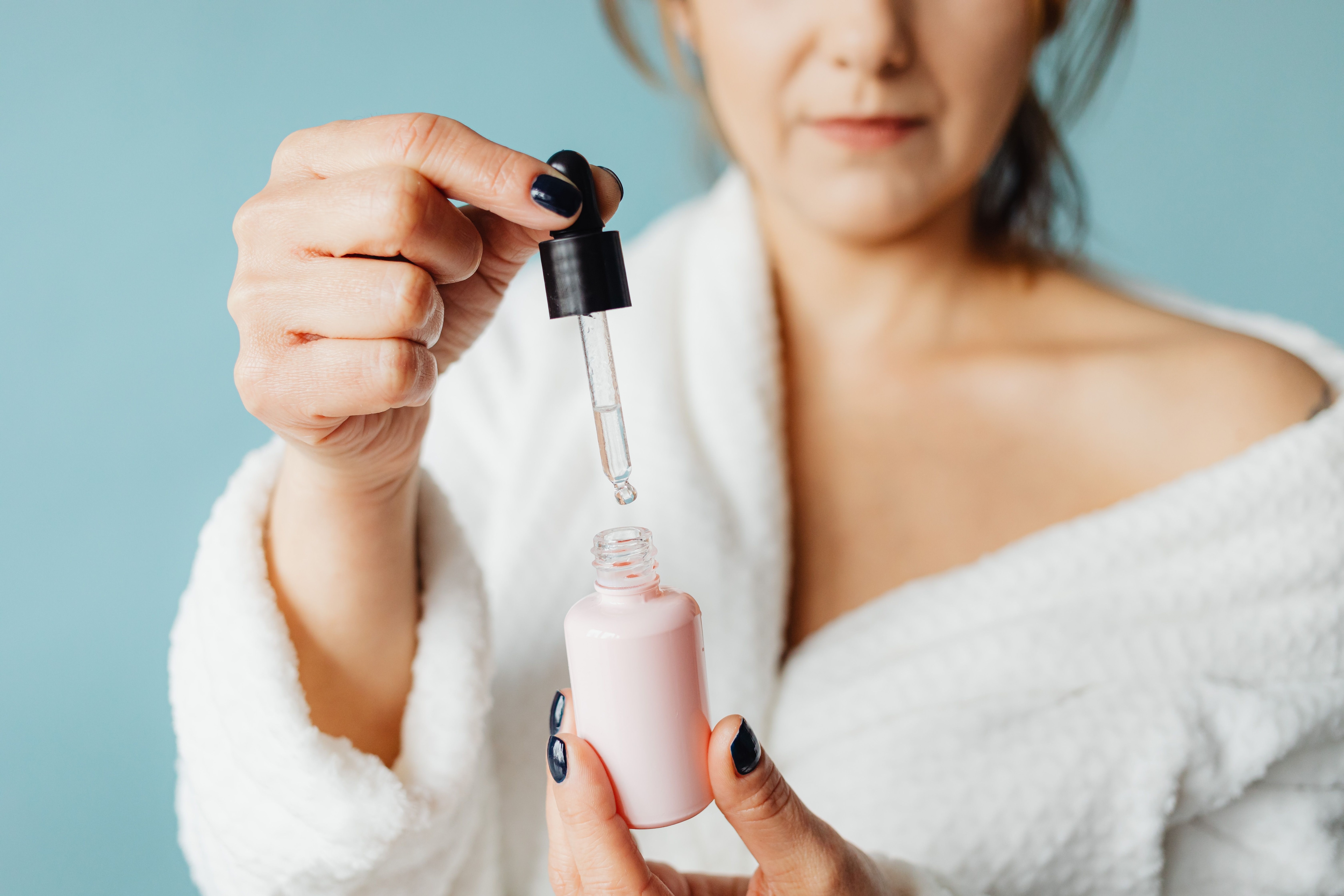
A new serum should be tested on a small area for a few days before full use, and then given at least eight to twelve weeks to show results. And no serum works without sunscreen. “Most actives make the skin more sensitive to sunlight. Buying a serum without committing to daily SPF is spending money on a product you are actively undoing every morning,” added Dr Panddit.
Five quick checks before you pick a skincare serum:
1. One clear concern, one hero active
2. Concentration and form stated on the label
3. Opaque, airless or amber packaging
4. No clashing actives already in your routine
5. Daily SPF you will actually use
Note to readers: This article is for informational purposes only and not a substitute for professional medical advice. Always seek the advice of your doctor with any questions about a medical condition.
Catch every big hit, every wicket with Crick-it, a one stop destination for Live Scores, Match Stats, Quizzes, Polls & much more. Explore now!.
Catch your daily dose of Fashion, Taylor Swift, Health, Festivals, Travel, Relationship, Recipe and all the other Latest Lifestyle News on Website and APPs.
See Less




Leave a Reply