400 films, 300 stage shows, 4 languages: The unmatched legacy of Sowcar Janaki
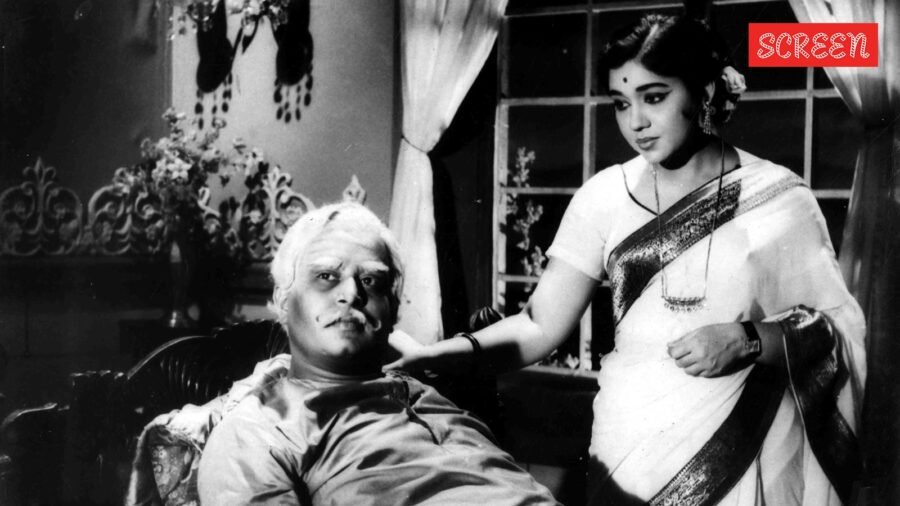
Most careers in Indian cinema last a decade, maybe two if you are lucky. Sowcar Janaki’s lasted over seven. She debuted in 1950 and was still acting in 2023. She worked in Telugu, Tamil, Kannada and Malayalam. She was a leading lady in the 1950s, a character actress from the 1970s onward, a television star in the 1990s, and was still getting cast in theatrical releases in her 90s. She appeared in nearly 400 films and over 300 stage shows.
Hailing from Rajahmundry, Janaki married at the age of 16, sat for her matriculation exams while pregnant, and worked as a radio artist at All India Radio in Madras. Nobody in her family had been anywhere near a film set. Then, in 1950, director LV Prasad cast her in the Telugu film Shavukaru. The character, a moneylender’s daughter, gave her the stage name “Sowcar” that would follow her for the rest of her life. And the career that was never planned became one of the longest and most distinguished in the history of Indian cinema.
What Sowcar Janaki did in the 1950s and 1960s was unusual for any actor, let alone a woman in post-Independence India. She built full, parallel careers across Telugu and Tamil simultaneously, then added Kannada and Malayalam on top. Her Tamil debut came in 1952 with Valayapathi, directed by T.R. Sundaram. Her Kannada debut followed in 1954 with Devakannika. By 1959, she was starring alongside Dr. Rajkumar in Mahishasura Mardini, a film widely regarded as the first Kannada production with a genuine national audience. Her Malayalam debut came in 1964 with School Master.
Story continues below this ad
By her mid-30s, she was working across all four South Indian languages with a regularity that most actors of her era could not sustain in even one. She acted with Sivaji Ganesan, Gemini Ganesan, NT Rama Rao, Akkineni Nageswara Rao and Dr. Rajkumar, holding her own in films where the male lead was expected to dominate every frame. She was not cast as decoration. She was cast because directors knew she could carry scenes, and in some cases, carry films.
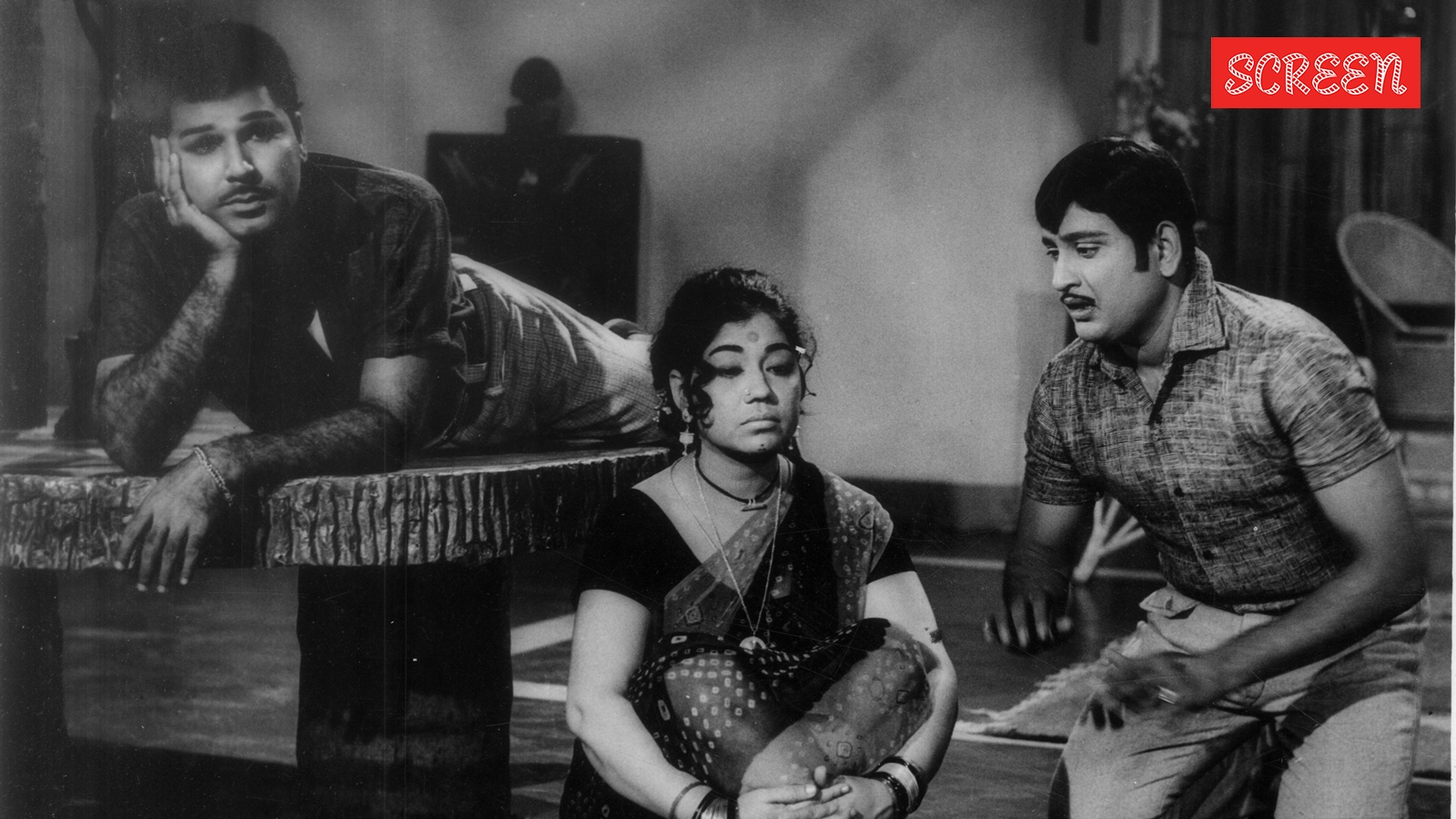 =Jai Shankar, Sowcar Janaki and Ravichandra in Naangu Suvargal.
The most significant creative partnership of Sowcar Janaki’s career was with director K Balachander. At a time when heroines in South Indian cinema were largely written as patient wives, devoted mothers or objects of the hero’s affection, Balachander wrote women who were angry, complicated, morally grey and sometimes impossible to like. Janaki played them all.
Thuruneelakantar, Pudhiya Paravai, Batasari and Thanga Padhumai further established her as an actress whose range extended far beyond what the industry typically expected from its female leads.
This is the part of Janaki’s career that separates her from almost every other leading lady of her era. In the mid-1970s, as younger actresses entered the industry and the definition of a “heroine” shifted, most stars of her generation either retired, moved to television or accepted that their time in cinema was over.
Story continues below this ad
Her transition from leading lady to character actress was not a step down. It was a lateral move into a space that suited her skills even better. Freed from the obligations of being the romantic interest, she could play mothers, grandmothers, antagonists, comic characters and matriarchs with a depth and freedom that her earlier roles had not always allowed. Cinema Paithiyam, Thee, Thillu Mullu, and Vetri Vizha all benefited from her presence.
This phase of her career lasted longer than many actors’ entire careers. She continued playing significant supporting roles through the 2000s and 2010s, working with a new generation of stars and directors who had grown up watching her on screen. The fact that she could walk onto a set with actors born decades after her debut and still command the room said everything about the kind of performer she was.
Sowcar Janaki’s career was not just limited to cinema. Before films, she was a radio artist at All India Radio, Madras, a job that sharpened the voice and diction that became her trademark on screen. She performed in over 300 stage shows across Tamil and Telugu theatre, treating the stage as seriously as she treated the camera. In 1991, she moved into television with the Doordarshan Tamil show Oorarinda Rahasyam, and continued working on the small screen through the 2000s and 2010s. Her last television role was in the 2013 Telugu serial Varudhini Parinayam on Zee Telugu.
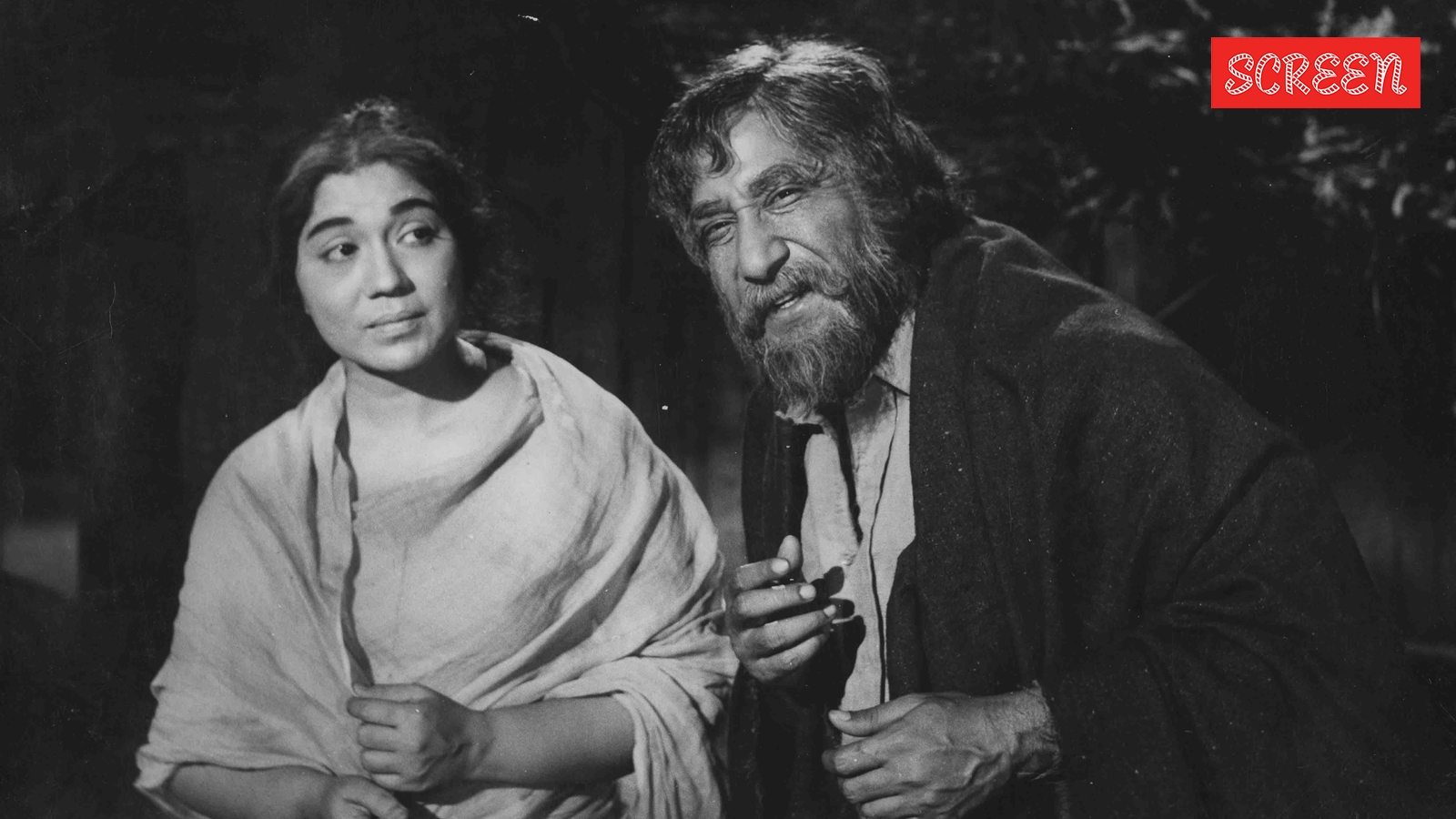 Sivaji and Sowcar Janaki on the set of film.
Most film actors of her stature treated television as beneath them. Janaki treated it as another place to work. That distinction was characteristic of her entire approach. She did not rank platforms. She ranked performances. If the role was worth doing, she did it, regardless of whether it was in a 70mm film, a Doordarshan serial or a stage production.
Story continues below this ad
Her last theatrical film was Anni Manchi Sakunamule, a Telugu family entertainer directed by Nandini Reddy, in which she played a grandmother. Before that, she appeared in Biskoth, a Tamil comedy directed by R. Kannan. Biskoth was reportedly her 400th film. She was 88 years old when she shot it.
Even at that age, she showed up on set, knew her lines and delivered her scenes with a professionalism that actors a quarter of her age would struggle to match. There was no sense of an actress winding down or doing a favour by showing up. She was there to work. She worked.
The awards came, though much of the institutional recognition arrived decades after the work that deserved it. She received the Kalaimamani from the Tamil Nadu government in 1969. She won the Mahanati Savithri Award in 1985, two Nandi Awards for Best Supporting Actress from the Andhra Pradesh government, the Nadigar Thilagam Sivaji Lifetime Achievement Award in 2004, and the Dr Akkineni Nageswara Rao Lifetime Achievement Award in 2000. And in 2022, at the age of 90, the Government of India awarded her the Padma Shri. She received the Padma Shri more than 70 years after her film debut.
Story continues below this ad
There are actors who are remembered for a single iconic role. There are actors who are remembered for a single era. Sowcar Janaki belongs to neither category. She is remembered for a body of work that spanned more than seven decades and four languages.


‘We fell short’: Nani, Srikanth on controversial ‘single shot actress’ scene in The Paradise
By Sohail Khan · 28 Sep