Private Credit Returns Range From 13% To 30%, ASK’s Shantanu Sahai Explains Where The Risks Lie
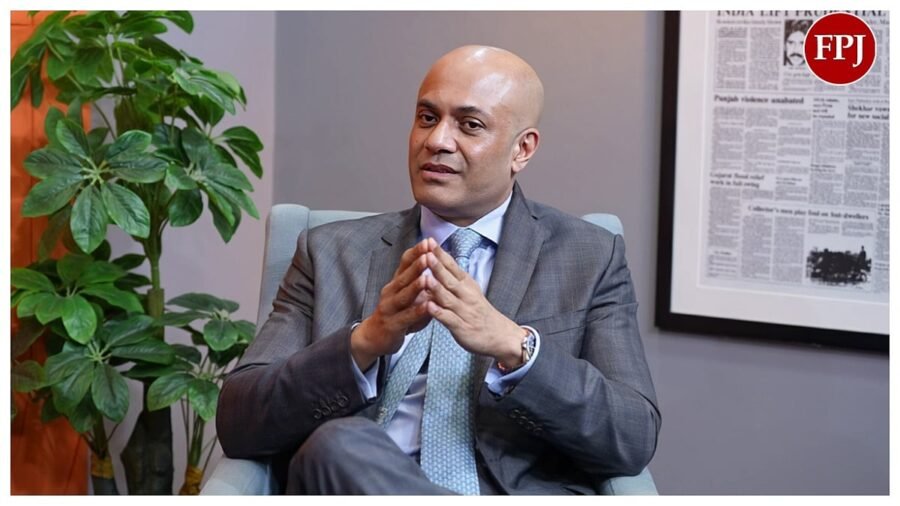
Private credit offers customised corporate funding and portfolio diversification, but Shantanu Sahai says cash flows, borrower integrity and risk remain crucial.
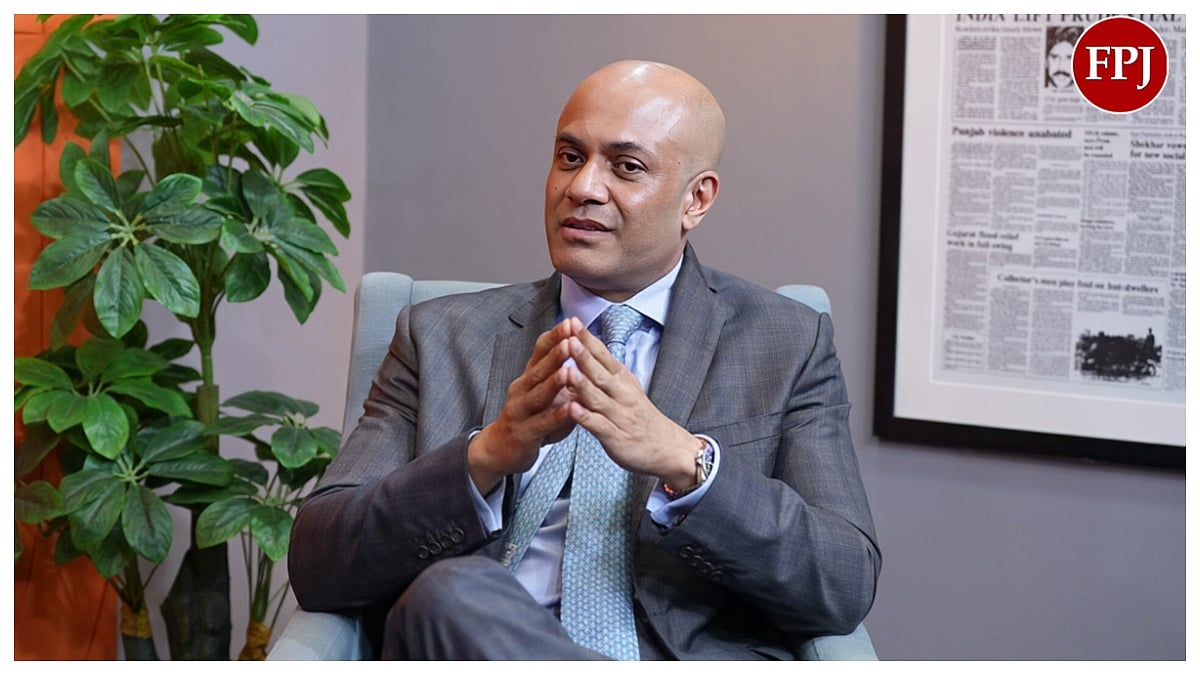
Private credit is emerging as an alternative source of capital for Indian companies and a diversification avenue for investors. But how does it work, what risks does it carry, and who should consider it? Sheryll D’Souza of The speaks with Shantanu Sahai, CEO of ASK Private Credit, on lending, returns, risk assessment and the evolving credit landscape.
To begin with, what exactly is private credit and whom does it cater to?
Put simply, private credit means giving loans to companies, whether large or small. The principle is similar to how banks assess individual borrowers.
Corporates have different risk profiles depending on their size, financial health, sector and business model. Accordingly, the pricing and controls attached to loans differ.
`;
Private credit can offer yields ranging from around 13 percent to 30 percent, but the risk attached to a 30 percent return is substantially higher than that associated with a 13 percent return.
Investors should therefore first determine the risk they are comfortable taking and then assess the return available for that level of risk — not start with a desired return and work backwards.
How do you classify the private credit market?
Broadly, there are three buckets. First is performing credit, generally involving profitable companies, where returns can range between 13 and 17 percent.
Second is venture debt, typically involving newer businesses or start-ups that may not yet be profitable but have fundamentally viable business models. Returns here can broadly range between 17 and 20 percent.
Third is distressed debt, involving companies facing financial stress. Since the probability of loss is higher, expected returns can range from around 22 percent to 30 percent.
Is private credit essentially a lender of last resort for companies unable to borrow elsewhere?
That is probably the biggest myth about private credit.
Think of buying a jacket. You can buy a standardised jacket from a retailer relatively cheaply, or go to a custom tailor who designs something specifically for you and charges significantly more.
Private credit is that custom tailor.
The same company may borrow from banks or NBFCs at 7-9 percent while simultaneously borrowing from private credit providers at 13-16 percent.
Why? Because certain uses of capital may not qualify for traditional bank financing because of regulatory restrictions. The alternative may be raising equity, which is expensive and dilutive. Private credit can provide customised capital without equity dilution.
We are therefore not necessarily replacing bank debt; in many situations, we are effectively substituting an equity fundraise.
What is the most important factor when deciding whether to lend to a company?
There are two components: ability to pay and willingness to pay.
Ability can be assessed through balance sheets, profit and loss statements and cash flows. Willingness cannot be found in a financial statement.
You need to understand how promoters have treated lenders, suppliers, customers, minority shareholders and independent directors, and whether they have historically honoured contracts.
If somebody has a patchy record of repaying money or honouring commitments, that is a strict no for us.
How do you structure loans and protect investors if circumstances deteriorate?
The most important thing in debt is actual cash flow available for repayment.
EBITDA alone does not tell the complete story. From EBITDA, companies still need to meet taxes, working-capital requirements, capital expenditure and other cash outflows. What remains is what ultimately services debt.
We stress-test business plans because promoters are naturally optimistic about their businesses. If someone assumes 30 percent growth, we need to examine whether that assumption is realistic.
A good credit structure therefore needs a clear assessment of future cash flows, mechanisms to monitor the borrower and, importantly, a Plan B if things do not go according to plan.
What happens if the company's cash flow cannot repay the loan?
The first recourse is cash flow. The second is security.
Security can include land, plant and machinery, listed or unlisted shares, or other assets. Before making the loan, we assess whether that security has a measurable market value, whether we have effective access to it and, importantly, whether there would actually be buyers for that asset.
If there is no meaningful security, the risk profile changes and the expected return should reflect that additional risk.
How intensive is the due-diligence process?
It is extremely detailed. A personal loan may sometimes be approved relatively quickly, but on average we take around three months to approve a corporate private-credit transaction.
That indicates the depth of financial, business and promoter diligence involved.
Who invests in private credit, and how long is the money typically committed?
Investors include HNIs, corporate treasuries, insurance companies and sometimes foreign investors.
Capital is generally deployed progressively. If an investor commits Rs 1 crore, for example, we may draw that money in instalments over roughly two years and deploy individual amounts into loans with an average tenure of around three years.
Therefore, investors must recognise that this is not money they should expect to access immediately.
How much of an investor's portfolio should private credit represent?
I would broadly look at 10-15 percent of the overall portfolio, after considering liquidity requirements.
Private credit should be funded with money that an investor can comfortably lock away for three to four years. The attraction lies in diversification, potentially higher income and regular monthly or quarterly interest distributions, but investors must understand the corresponding risks.
Finally, what is the biggest red flag when assessing a borrower?
A track record of deliberately defaulting despite having the ability or resources to repay.
If a promoter has willingly walked away from a financial commitment, I would step out of the room. No attractive yield or deal structure can adequately compensate for questionable willingness to repay.
That is ultimately one of the most important lessons in private credit: understand the numbers, but understand the borrower behind those numbers even better.

Add As a
Trusted Source 

Gland Pharma To Invest ₹175 crore In US Subsidiary, Aims For Business Expansion
By Sohail Khan · 1 Oct


Leave a Reply