Pneumonic plague case in Russia raises questions: How it spreads and what Indians should know
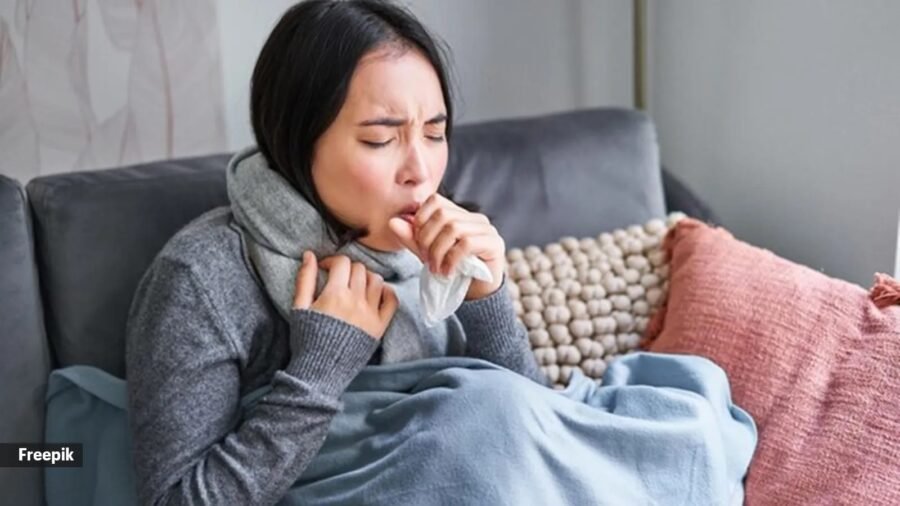
Hundreds have been quarantined after a 28-year-old laboratory technician reportedly died of pneumonic plague in the Siberian region of Irkutsk in Russia, according to Moscow Times report. Alexei Tsydenov, head of the neighboring republic of Buryatia, told the independent news outlet that the woman had died from an unspecified form of plague. Unverified X accounts also claim that pneumonic plague is “about 100x deadlier than Covid-19”. Given the threat, we spoke with experts to better understand the infectious disease and how it differs from Covid-19.
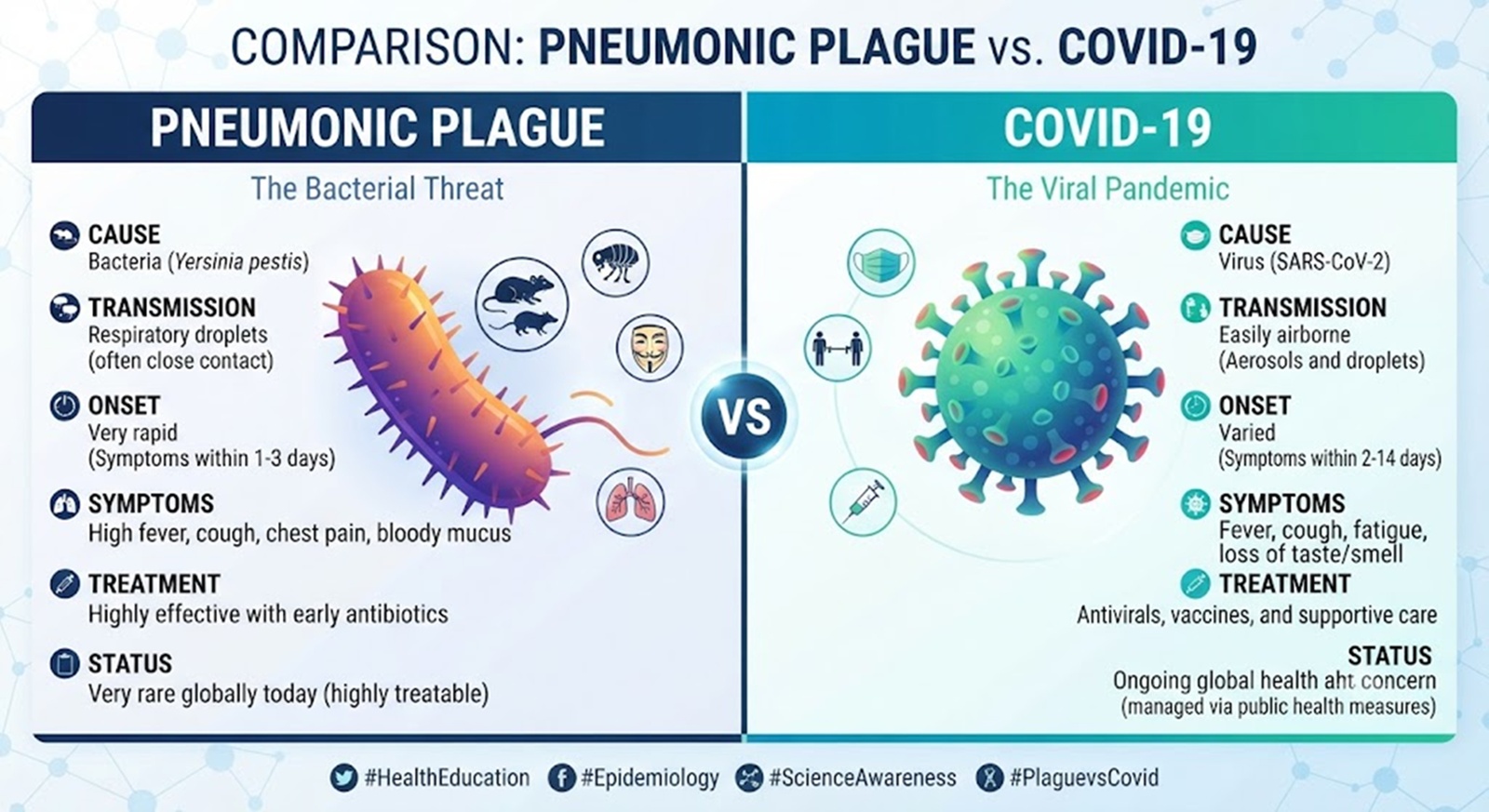
Dr Amit Saraf, director, internal medicine, Jupiter Hospital, Thane, said that a pneumonic plague is a serious lung infection caused by the bacterium Yersinia pestis. “It is one of the three major forms of plague and is the one that can spread directly from person to person through respiratory droplets, particularly during close contact. The illness can develop rapidly, causing high fever, chills, weakness, cough, chest pain and difficulty breathing. In some cases, the patient may cough up blood-stained sputum. Unlike the plague of history books, this disease is not untreatable today. The important factor is recognising it early and starting the appropriate antibiotics without delay,” said Dr Saraf.
Story continues below.
Subscribe to see fewer ads.
How is pneumonic plague different from Covid-19?
The biggest difference is the organism responsible. :Covid-19 is caused by the SARS-CoV-2 virus, whereas pneumonic plague is caused by bacteria. Their routes of transmission also differ. Covid-19 can spread quite efficiently through respiratory particles, including from people who may have mild or no symptoms. Pneumonic plague generally requires close exposure to respiratory droplets from an infected person, and person-to-person spread is much less common,” said Dr Saraf.
Both illnesses can cause fever, cough, weakness and breathing difficulty, so symptoms alone may not always distinguish them, mentioned Dr Samir Garde, director, Dept of Pulmonology and Lung Transplant, Gleneagles Hospital, Parel. “However, pneumonic plague can progress rapidly and may cause severe pneumonia, chest pain and sometimes bloody or watery sputum. Covid-19 has a much broader range of presentations, from no symptoms to severe respiratory illness. For Indians, the key message is not to panic or assume every respiratory illness outbreak is plague. Plague is uncommon in India, and its occurrence is generally linked to specific epidemiological circumstances,” said Dr Garde.
Another important distinction is treatment. “Antibiotics are effective against plague bacteria when given promptly; they do not work against viruses such as SARS-CoV-2. Both illnesses can affect the lungs and cause pneumonia, so symptoms alone cannot establish the diagnosis. A proper clinical assessment and laboratory testing are essential,” said Dr Saraf.
 Here’s what you should consider
Should Indians be worried about pneumonic plague?
The general public has no reason to panic just because pneumonic plague is being discussed. “Plague is rare today, although it has not disappeared completely. India has experienced plague outbreaks in the past, but that does not mean every respiratory infection or fever should be viewed as plague,” Dr Sarf told indianexpress.com.
Story continues below this ad
Awareness rather than alarm helps. “Those who have a relevant history of exposure to rodents, fleas, sick or dead animals, or a confirmed case of pneumonic plague should seek medical attention if they develop sudden fever and rapidly worsening respiratory symptoms,” said Dr Saraf.
The Pneumonic Plague that just escaped a lab in Russia is about 100x deadlier than COVID
— Todd Hagopian | Stagnation Assassin (@ToddHagopian) October 5, 2026
What precautions should people take?
Basic precautions remain important. “Avoid handling sick or dead animals, particularly rodents, and maintain good hygiene. If someone has a suspected or confirmed pneumonic infection, minimise close contact and follow appropriate respiratory precautions. Most importantly, do not self-medicate with antibiotics. If sudden fever is accompanied by breathlessness or a rapidly worsening cough, do not delay medical evaluation. Early diagnosis and appropriate treatment can make a significant difference in the outcome,” said Dr Saraf.

To fight cancer better, count it
By Sohail Khan · 5 Oct
Former CEC S Y Quraishi: The deleted voter is not a new voter
By Sohail Khan · 5 Oct
Rashmika Mandanna pays tribute to M S Subbulakshmi in signature ‘MS Blue’ sari
By Sohail Khan · 5 Oct
Leave a Reply