How to test whether a compostable bag breaks down at home

Compostable bags appear to be more environmentally friendly than plastic bags. But ‘compostable’ doesn’t necessarily mean something breaks down quickly in a home compost pile. Decomposition conditions may depend heavily on the material and the product’s certification.
Test to ensure the bag is compostable at home:
Not all compostable bags decompose properly at home. Some bags need high-temperature, commercial-scale operations to break down properly. So consumers should look for the right certification on a product for use in their compost bin.
Story continues below.
Subscribe to see fewer ads.
Maninder Singh Nayyar, Founder & CEO, CEF Group, suggests an experiment that can help consumers determine whether bags work as expected in their compost.
- First, cut a piece of the bag, note its size and shape, and bury it about 10 to 15 cm deep in a well-aerated compost bin.
- The compost should include a combination of wet green stuff, like fruit and vegetable waste, and dry brown stuff, like leaves and shredded cardboard. It should remain damp but not soggy.
- Inspect the pile every four weeks and keep notes on changes.
- A truly compostable material should show signs of breaking down under proper conditions over time, which can take several months and depends on climate and season.
- Comparing it to a conventional plastic bag could help, as long as neither sample is used to make compost for food later.
- Consumers need to know that breaking into pieces does not equate to full biodegradation.
- If the bag doesn’t fully decompose within the time specified by the manufacturer, it may require industrial composting.
- Consumers must dispose of the bags as required locally and not put them in recycling bins, as they may contaminate regular plastics.
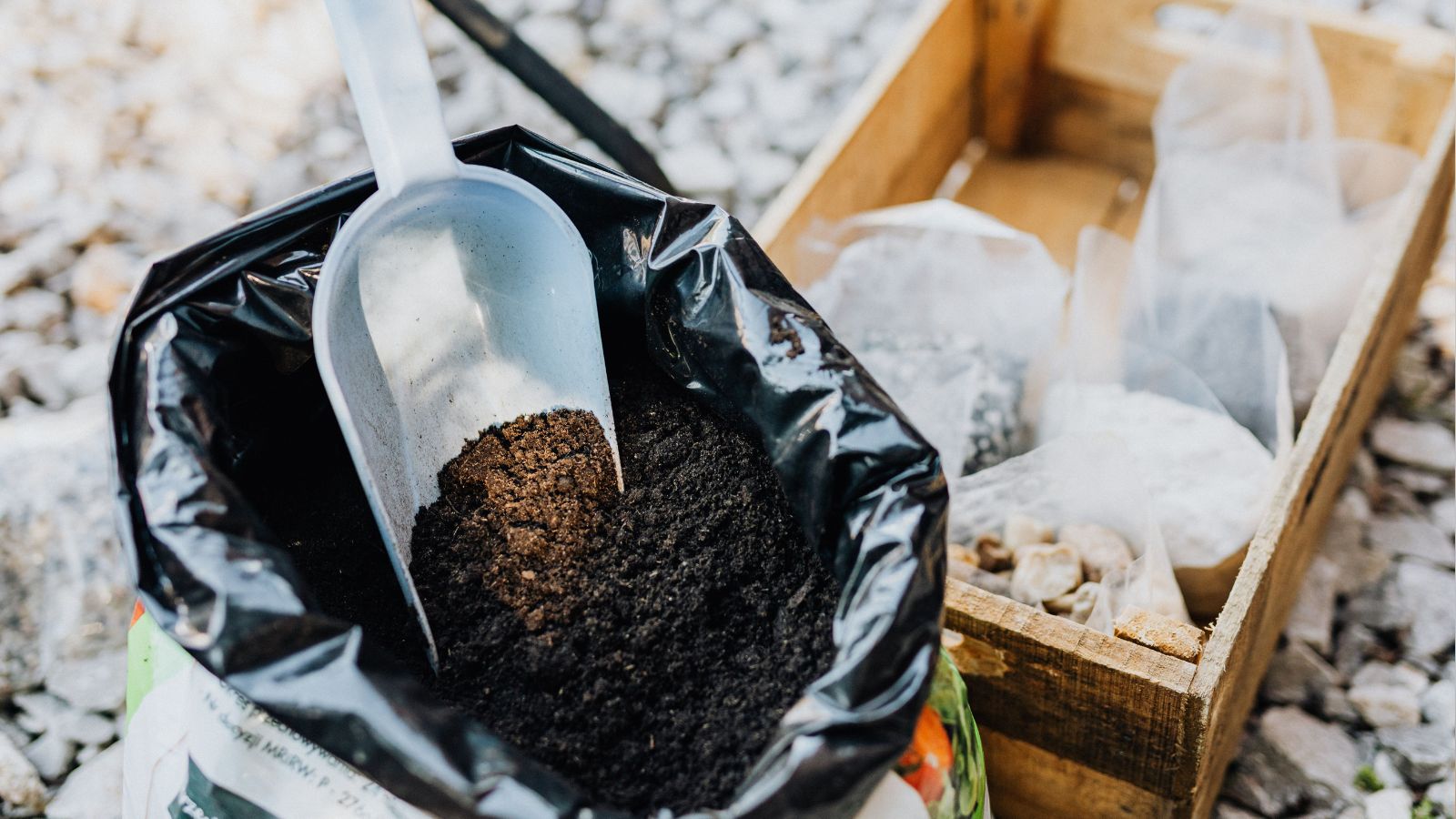 Not all compostable bags are designed to break down in a home compost pile.
What consumers need to ensure
Dr Sujit Paul, Group CEO of Zota Healthcare Ltd (Davaindia), says consumers need to check the packaging carefully.
“Pay attention to the clear information on whether the product is home compostable or industrially compostable, instead of the labels of ‘eco-friendly’ or ‘biodegradable’. Any certification/ testing details that may be available can also give added assurance about the claims,” he adds.
Dr Sujit also advises to follow manufacturer’s instructions for disposal, as well. “A bin meant to be used for industrial composting may be aggressively managed with controlled temperatures, humidity and microbial environment which would not exist within a typical home compost pile,” he says.
Story continues below this ad
If consumers know they should opt for certified products and know what to do with them no matter which they pick, they can make more informed environmental choices.

Inside Ananya Panday’s Greece vacation: ‘Most beautiful five days’
By Sohail Khan · 6 Oct
The bone–blood sugar connection: What osteocalcin has to do with glucose control
By Sohail Khan · 6 Oct