‘Maharashtra centre of Maoist urban network’: State defends Special Public Security Act in court
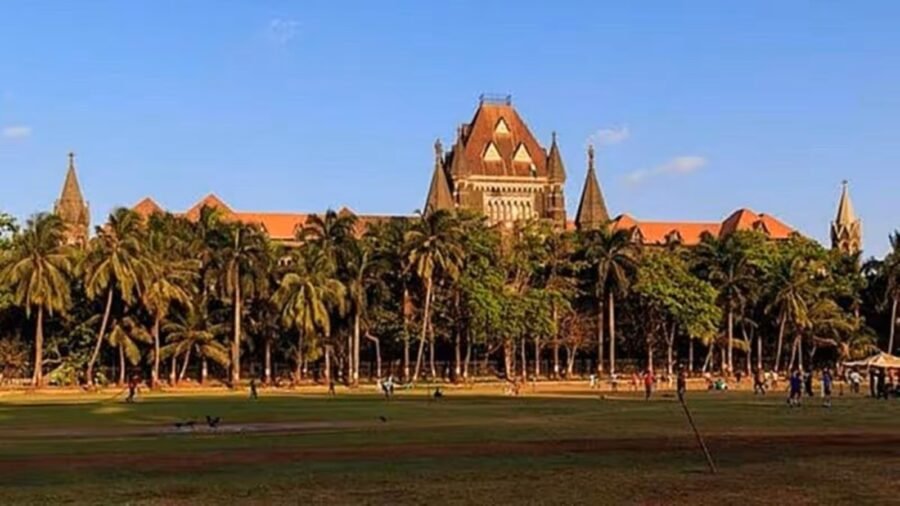
Maharashtra, “because of its highest urban population has become center of Maoist urban network,” the state government has told the Bombay High Court, defending the Maharashtra Special Public Security (MSPS) Act.
The state “did not have legal framework of public security act to ban frontal organization like other Left Wing Extremism (LWE) affected states (Telangana, Andhra Pradesh, Madhya Pradesh, Chhatisgarh),” said the affidavit filed by Pritamkumar Jawale, Deputy Secretary of the state Home department.
The affidavit seeks dismissal of petitions by the Congress, the Communist Party of India (CPI) and the All India Trade Union Congress (AITUC) challenging the Act’s constitutional validity, and questions the petitioners’ legal standing. It says the law was enacted “to establish a robust legal framework to prevent and tackle unlawful, subversive, and extremist activities.”
Story continues below.
Subscribe to see fewer ads.
The petitioners contend the law curbs peaceful and legitimate dissent and gives the executive “wide-ranging, arbitrary, and excessive powers” to ban organisations “without any judicial scrutiny or oversight.”
The Act lists four punishable offences: being a member of an unlawful organisation, collecting funds for one, helping manage one, or carrying out an “unlawful activity”. It authorises the state to notify any suspected body as an “unlawful organisation”.
Citing Elgaar Parishad and other cases, the affidavit claimed Maharashtra has the highest number of frontal organisations in the country, 64. It said Andhra Pradesh, Telangana, Chhattisgarh, Odisha and Jharkhand had banned such groups under similar laws that “withstood judicial scrutiny”, so Maharashtra was empowered to enact one for “local security environments”.
Not enacting the law, it said, “would affect entitlement of security related expenditure (SRE) fund crucial for fighting Maoist battle” in LWE-affected areas.
Story continues below this ad
The state said the law was not vague and did not violate free speech, which is subject to reasonable restrictions under the Constitution. It “balances the fundamental liberties of citizens with the paramount duty of preserving public order and national integrity,” the reply said.
The state also denied that appointing a government advocate to the “non-judicial advisory board” was illegal.
The Act bridges “a critical legislative gap” by allowing action before any violence or loss of life, it said, as insurgencies “survive not only on ideology; but they require robust logistical supply chains, safe houses, covert financial pipelines, and institutional fronts.”
A bench led by Chief Justice Mahesh Chandra Tripathi allowed the petitioners to file a rejoinder to the affidavit and posted the matter for hearing on October 16