‘Is 140/90 a normal blood pressure reading at age 60?’
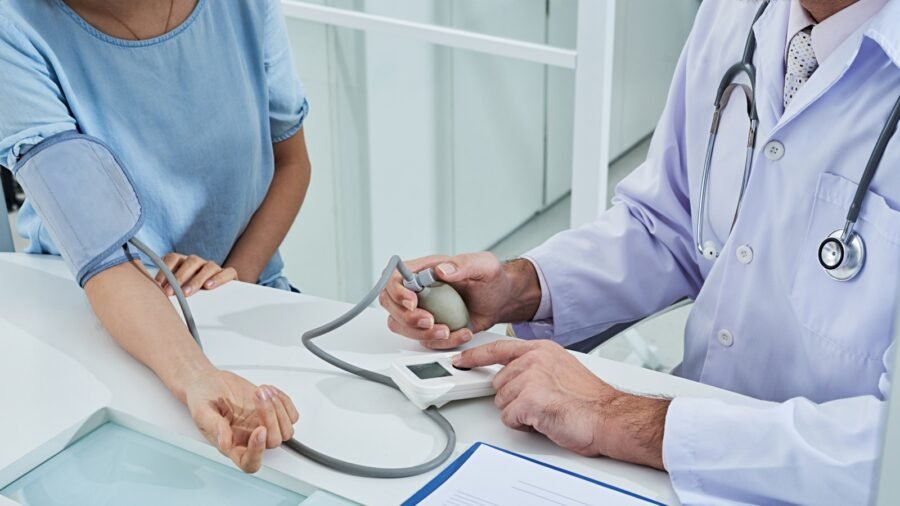
Is 140/90 normal at 60?
Not quite. “A blood pressure reading of 140/90 mmHg is not considered an ideal or normal reading for most adults, including people around 60,” the cardiologist clarifies while adding that the reading falls in the high blood pressure range under commonly used guidelines.
“However, one reading alone does not confirm hypertension,” he assures while explaining that blood pressure naturally fluctuates through the day, so repeated readings taken correctly give a better indication of a person’s usual blood pressure.
Does getting older make 140/90 acceptable?
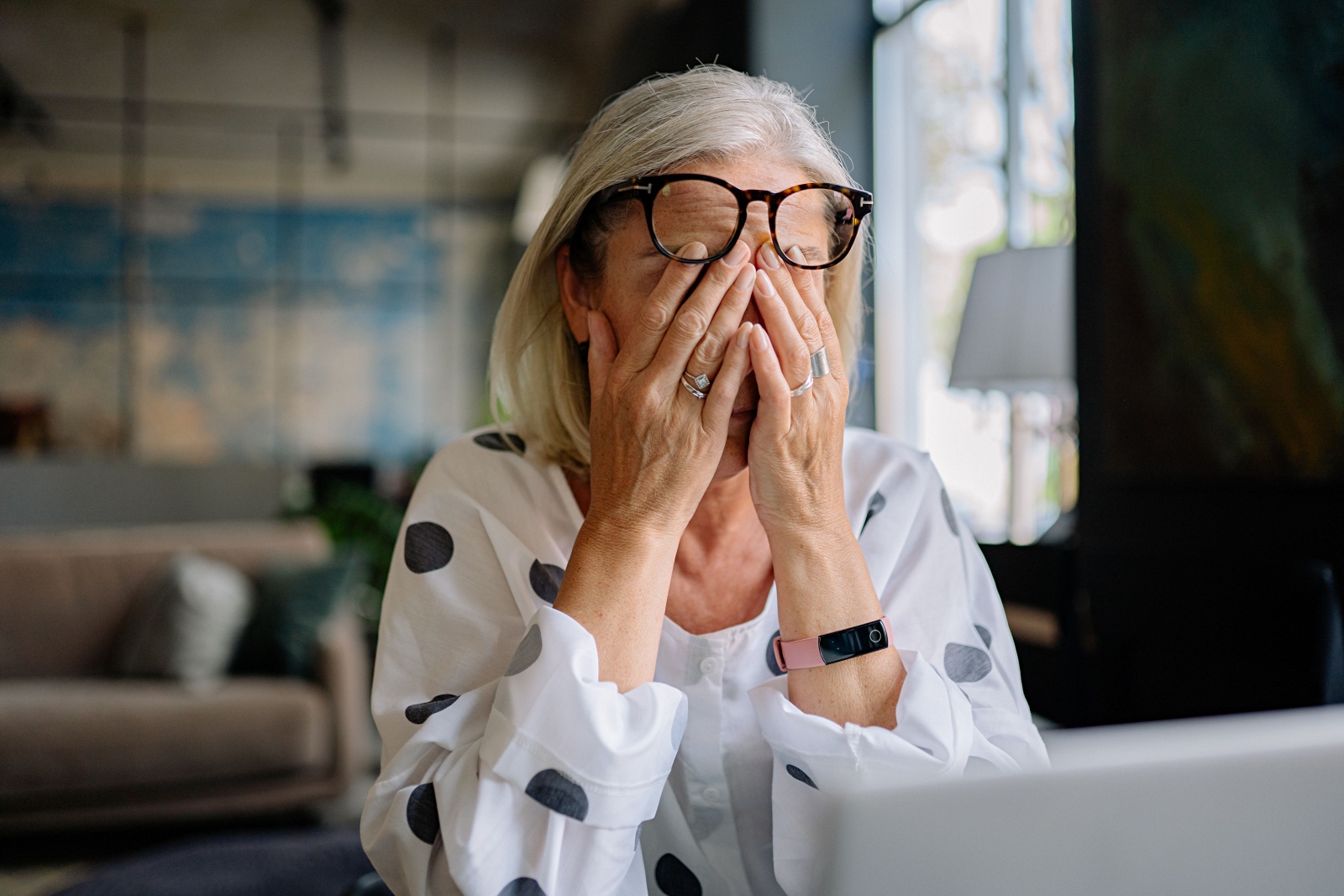 BP readings can temporarily rise because of stress, anxiety, recent exercise, caffeine, smoking, or talking during the measurement
Being 60 does not automatically make a reading of 140/90 normal. Age can affect the blood pressure target a doctor recommends, but it is only one factor.
Story continues below this ad
“Different guidelines may use slightly different thresholds and targets,” says Dr Dhall. Doctors also consider overall health, medications and other medical conditions. For older adults, treatment may need to be individualised, particularly when there is a risk of dizziness or falls.
“The important point is to avoid assuming that high blood pressure is simply a normal part of ageing.”
What if 140/90 keeps showing up?
This is where repeated readings become important. “If someone repeatedly records blood pressure around 140/90 at home, it suggests that their blood pressure may be higher than recommended and should not be ignored.”
Home monitoring can help because readings can be taken in a familiar setting over several days. “The person should maintain a record of their readings and share it with their doctor.” Based on the pattern and the person’s overall health, the doctor can determine whether hypertension is present and whether lifestyle changes, monitoring or medication are appropriate.
Story continues below this ad
If you already take blood pressure medication, don’t change the dose yourself. “Do not start, stop or change blood pressure medicines without medical advice.”
Before worrying about the number, check that you’re measuring it correctly
A home reading is useful only if you take it properly. Stress, anxiety, recent exercise, caffeine, smoking and even talking can temporarily push the number up.
“A single blood pressure reading can temporarily rise because of stress, anxiety, recent exercise, caffeine, smoking or even talking during the measurement.” In fact, an incorrect sitting position or a poorly fitting cuff can also affect the result.
For an accurate home reading, use a validated upper-arm monitor with the correct cuff size. Avoid exercise, caffeine and smoking for at least 30 minutes beforehand and empty your bladder.
Story continues below this ad
“Before measuring, sit quietly for about five minutes, keep your feet flat on the floor and support your arm at heart level.” Do not talk during the measurement. “Take two readings about one minute apart and record both.”
Doing this at consistent times over several days can give your doctor a clearer picture of your usual blood pressure.
What should the target be in your 60s?
 Screenshot of the query posted on Quora
Once repeated readings confirm consistently high blood pressure, the next question is what level to aim for. No single target suits everyone.
“For many adults being treated for hypertension, doctors aim for blood pressure below 130/80 mmHg when it can be achieved safely, but the target may be adjusted depending on the person’s health and tolerance.”
Story continues below this ad
People with diabetes, kidney disease or heart disease may require closer monitoring and an individualised target. The treating doctor should decide the goal after considering medications, other conditions, age and the person’s risk of side effects.
When does high BP require urgent attention?
A reading of 140/90 is different from a severely elevated reading. “A blood pressure reading of 180/120 mmHg or higher is considered severely elevated.” If a repeat measurement remains at this level, seek medical advice promptly.
If the high reading is accompanied by chest pain, severe breathlessness, severe headache, confusion, vision changes, difficulty speaking, weakness or numbness, seek emergency medical care immediately.
“The symptoms matter as much as the number.” In such a situation, do not wait for the blood pressure to come down on its own.
Story continues below this ad

CJI says Supreme Court did not approve Form 6 changes: What the form is, why it matters
By Sohail Khan · 5 Oct

The Cornell case made me ask my sons — what would you have done?
By Sohail Khan · 5 Oct
Leave a Reply