I tested four smartwatches for their health sensors, and these are the ones I recommend
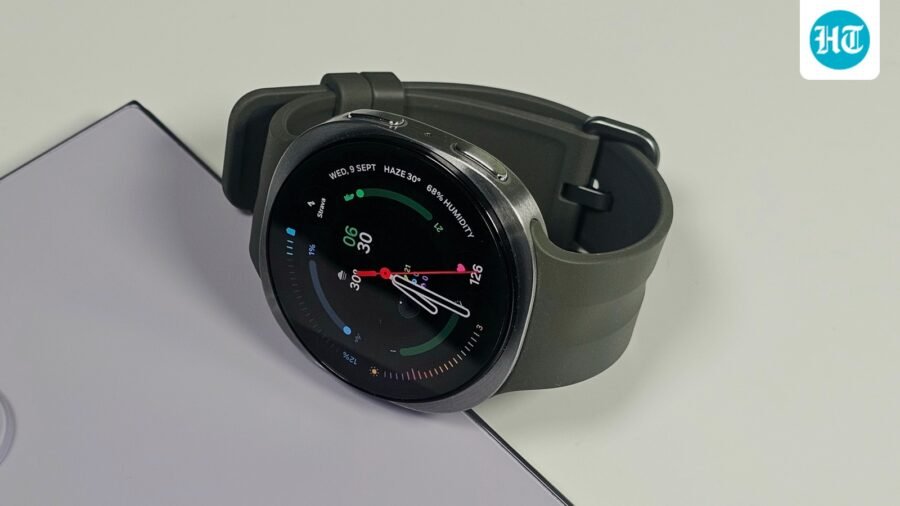
Editorial independence is core to our work. Some links may earn us a commission, without influencing our opinions.
I tested four smartwatches for their health sensors, and these are the ones I recommend
Four current smartwatches go head to head on heart rate and SpO2 tracking, with a closer look at which health readings you can rely on daily.
Published on: Oct 6, 2026, 14:20:04 IST
Prefer HTon Google
Share via
Copy link

Research-Backed Choices
Every product we recommend is chosen through a combination of Primary Research and Secondary Research.
A smartwatch can tell you a lot about your body, but I have found that having more health features does not always mean getting more useful data. Heart rate and SpO2 are two readings I pay particular attention to because they are among the metrics people tend to check regularly, whether during a workout or simply going about their day.
For this list, I have narrowed it down to four current smartwatches from Apple, Samsung, Google and Amazfit. The focus here is not on how many health features each watch offers, but on how seriously each one approaches heart rate and SpO2 tracking and which models I would recommend if these readings are a priority.
BEST OVERALL
1. Apple Watch Series 12 GPS 46mm Smartwatch
Loading Suggestions…
The Apple Watch Series 12 is the one I would pick if health tracking is a major reason for buying a smartwatch. I like how quickly it surfaces heart rate trends and other health data without making the experience complicated. The combination of heart rate monitoring, ECG, blood oxygen tracking and Vitals gives it a strong health focused approach, although the battery still needs frequent charging.
Specifications
Display
42mm or 46mm LTPO3 OLED, up to 2,000 nits
Health sensors
Optical heart sensor, electrical heart sensor, blood oxygen and temperature sensors
Heart rate
High frequency background heart rate monitoring
SpO2
Blood Oxygen tracking
ECG
Yes
Battery
Up to 24 hours
Reasons to buy

Excellent health tracking
Useful Vitals insights
Reason to avoid

Short battery life
2. Samsung Galaxy Watch9 (44mm Bluetooth, Graphite)
Loading Suggestions…

Our Principles
Full Transparency
Every product review clearly lists the Pros and Cons, giving you a balanced view.
Brand Confidence
We focus on products from brands with a proven reputation and long-standing market trust.
The Galaxy Watch9 makes sense if you want a smartwatch that can cover most of your health tracking needs without feeling like a dedicated fitness watch. I like the amount of information it collects, from heart rate and blood oxygen to sleep and body composition. Samsung also does a good job of putting this information together in its health app, making it easy to track changes over time.
Specifications
Display
1.34-inch Super AMOLED, 438 x 438 pixels
Health sensors
Optical heart rate, electrical heart sensor, BIA and temperature sensor
Heart rate
Continuous heart rate monitoring
SpO2
Blood oxygen tracking
ECG
Yes
Battery
Up to 40 hours
Reasons to buy
Lots of health metrics
Comfortable for overnight tracking
Reason to avoid
Some features need a Samsung phone
3. Google Pixel Watch 4 (41mm) – Smartwatch – Lemongrass Active Band – Wi-Fi
Loading Suggestions…
The Pixel Watch 5 takes a slightly different approach to health tracking, with Fitbit playing a major role in how the collected data is presented. I like that it does not simply throw a long list of numbers at you and instead focuses on trends around heart rate, sleep and recovery. Its combination of health sensors and Fitbit features makes it an interesting option for people who want more context from their readings.
Specifications
Display
Actua 360 domed display, up to 3,000 nits
Health sensors
Multi path optical heart rate, SpO2, ECG, cEDA and skin temperature
Heart rate
Continuous heart rate monitoring
SpO2
Nightly blood oxygen tracking
ECG
Yes
Battery
Up to 40 hours
Reasons to buy
Excellent Fitbit integration
Useful health insights
Reason to avoid
Android phones only
4. Amazfit Active 3 Premium(Smartchoice)GPS Running Smart Watch, 1.32"AMOLED Sapphire Display,12-Day Battery,4GB Storage,Offline Maps, 170+Workout Modes, 5 ATM,Fitness Tracker, Android & iOS, Apex Silver
Loading Suggestions…
The Amazfit Active 3 Premium is the most interesting option here if you want extensive health tracking without spending as much as you would on the other three watches. I found its health feature set surprisingly capable, with continuous heart rate and SpO2 monitoring alongside sleep and fitness tracking. The biggest advantage, however, is the battery life, which makes continuous tracking much easier to maintain.
Specifications
Display
1.32-inch AMOLED, 466 x 466 pixels, up to 3,000 nits
Health sensor
BioTracker PPG, 5PD + 2LED
Heart rate
24 hour monitoring
SpO2
24 hour blood oxygen monitoring
GPS
Five satellite positioning systems
Battery
Up to 12 days
Reasons to buy
Excellent battery life
Strong health tracking for the price
Reason to avoid
Health readings are not medical measurements
Factors to consider before buying a smartwatch
- Sensor accuracy: Look for watches with reliable optical heart rate sensors and consistent SpO2 tracking rather than simply counting the number of health sensors.
- Fit and comfort: A secure fit is important for accurate readings. The watch should also be comfortable enough to wear during workouts and sleep.
- Health insights: Check how the watch presents your data. Useful trends and alerts can be more valuable than a long list of individual readings.
- Battery life: Frequent charging can interrupt continuous health tracking, especially for sleep and overnight SpO2 measurements.
- Phone compatibility: Check whether all health features work with your smartphone. Some advanced features are restricted to specific phone ecosystems.
Similar articles for you
Flat screens feel outdated? These curved gaming monitors change the way you play
Why pay more? These smartwatches under ₹3,000 get the basics right
From gaming to work: 6 Mouse pads that help your mouse perform better
FAQs
The Apple Watch Series 12 is a strong choice for heart rate tracking, particularly for users already in the Apple ecosystem.
Smartwatches can provide useful SpO2 readings and trends, but they should not replace a medical pulse oximeter or professional assessment.
Yes. It can help you monitor blood oxygen trends, particularly during sleep, but individual readings can vary with fit and movement.
Apple Watch Series 12, Galaxy Watch9, Pixel Watch 5 and Amazfit Active 3 Premium all offer extensive health tracking features.
Yes, if you want convenient access to health and fitness trends. However, use dedicated medical equipment when you need clinically reliable measurements.
See Less

Your PS5 can now make games look sharper, thanks to Sony’s new QSSR tech
By Sohail Khan · 6 Oct

Vivo V80, S2 FE, X Fold 6 launched in India: Check price, specs and all the details
By Sohail Khan · 6 Oct
Leave a Reply