How India Got David Headley To Testify In 26/11 Case: Ujjwal Nikam Reveals Strategy That Turned LeT Operative Into Approver
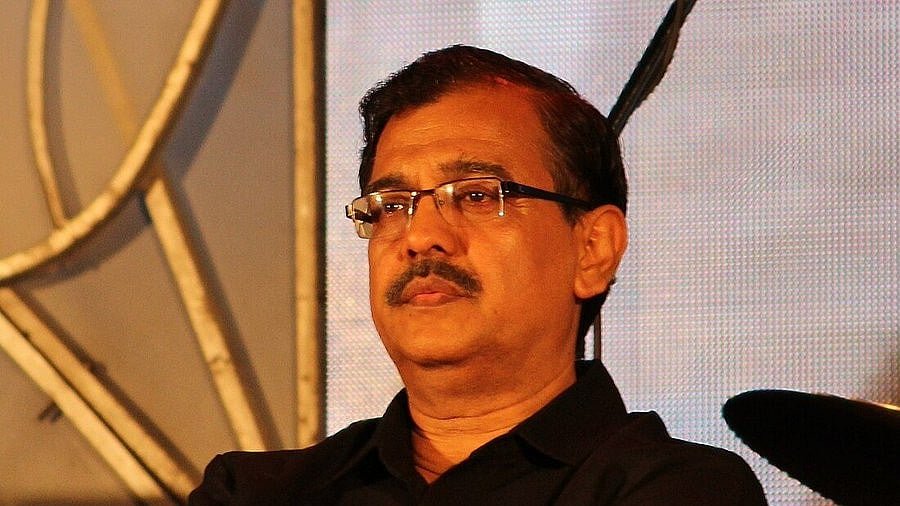
Ujjwal Nikam said David Headley was brought into India's 26/11 judicial process as an approver after extradition proved difficult. Nikam proposed making Headley an accused and granting him pardon for a full disclosure. He said Devendra Fadnavis and Ajit Doval accepted the strategy, after which Indian officials held discussions with US authorities. Headley began testifying in Mumbai in 2016.
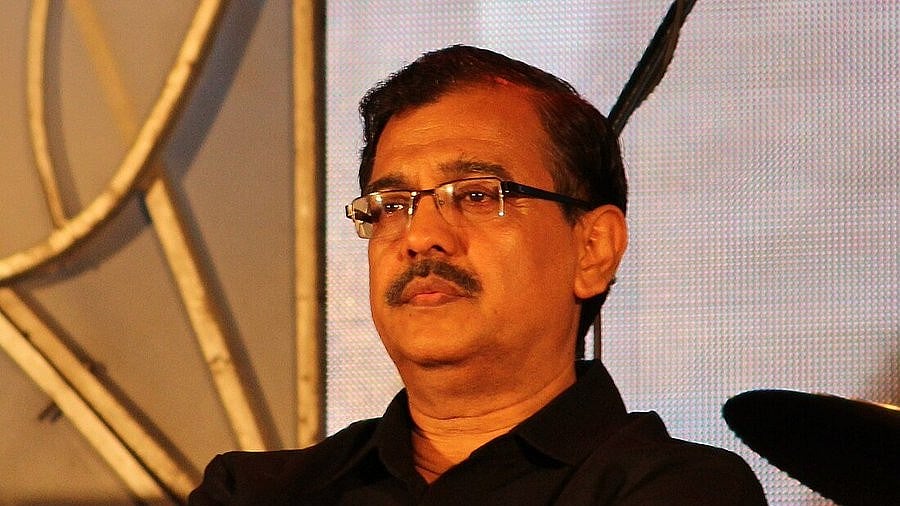
Ujjwal Nikam |
How did India get David Coleman Headley to testify in the 26/11 attack case? Special Public Prosecutor Ujjwal Nikam, who led the prosecution, tells Charul Shah Joshi how Headley, an American-Pakistani terrorist and Lashkar-e-Taiba operative who conducted critical surveillance for the 2008 Mumbai attacks, was brought into the Indian judicial process as an approver. Headley was arrested in 2009. He later provided intelligence to Indian and US authorities and was sentenced to 35 years in a US prison.
Initial Resistance To Proposal
Nikam said Mumbai police officials involved in the case and stakeholders in the Central Government, were initially opposed to the idea of bringing Headley into the Indian judicial process as an approver.
At the time, the case was handled during the tenures of Rakesh Maria and later Javed Ahmad as Mumbai police commissioners. The contacted both former commissioners to clarify what happened during the process of Headley’s prosecution. Maria said that once Headley’s role came to light, Mumbai Police began exploring his extradition and seeking more information about the conspiracy.
`;
Officers Travelled To US
“When Headley’s role was revealed, me and my team had a deliberation with the stakeholders for his extradition. We needed to question him, interrogate him and get more information about the conspiracy. In fact, my officers had also travelled to the US to interrogate him at the relevant time. The first call to the Indian commissionerate in Washington was made from my office,” Maria said. He said the police were aware that Headley could not be extradited for 35 years because of his plea agreement with the US.
In the video interview with the , Nikam said he met Devendra Fadnavis, who was Chief Minister that time as well, and clarified the difficulties involved in securing Headley’s extradition. Nikam proposed instead that Headley be made an approver.
‘Use Him Against Pakistan’
“I explained to Fadnavisji that when we cannot have him, we can use him against Pakistan. We did not have direct evidence against Hafiz Saeed, except for Kasab’s confession, and this was our chance. We needed a strong case to get to the root of the conspiracy and the evidence,” Nikam said.
After Fadnavis agreed with the strategy, a meeting was arranged with National Security Advisor Ajit Doval, Nikam said. Doval also accepted the proposal, following which Nikam and Atulchandra Kulkarni, then an IPS officer and now retired, travelled to the US and held discussions with American authorities on securing Headley’s testimony before a Mumbai court.
Nikam said the legal strategy was to first make Headley an accused and then grant him pardon on the condition that he made a full and true disclosure of the facts. Headley began testifying before the Mumbai court in Jan 2016.
Maria told the that by the time things reached finality, he was transferred. Ahmad told the that he did not recall the details. “It has been over 11 years. I do not exactly remember the details when it comes to Headley,” he said.
Here are excerpts of the rest of the interview with Nikam:
You went to Islamabad to oversee the trial of the seven accused. What did you find?
We went to Pakistan following an intervention by US officials, who arranged a meeting with the Pakistan Home Minister. After scrutinising the records, I pointed out to their prosecutor that they had not invoked the charge of criminal conspiracy against the seven accused.
How did the prosecutor respond?
He admitted it was a mistake and assured us it would be rectified. We returned to India and, the next day, the prosecutor was shot dead.
What is the status of the trial in Pakistan?
It is not as open as it is in India. Even the media is banned there. We do not know what is happening.
Did Pakistan share any details of its case or investigation?
Pakistan denied any role soon after the attack. After Ajmal Kasab was arrested and a Pakistani television channel exposed the facts, they could no longer deny it. They never agreed to hand over the accused to India but claimed they were conducting a trial in their own court. When we went there, they did not divulge anything.
What did Headley’s testimony add to the case?
It was a very significant move. He had visited Mumbai before the terror attack and taken photographs of the targeted areas.
Did Headley provide the missing pieces of the puzzle?
Yes. How can we expect Pakistan to accept his evidence? He was going to speak against Pakistan. So we have placed the evidence before them.
India is now moving to try absconding accused in absentia under the new provisions of law. What does this involve?
Pakistan is sheltering them. So we have invoked the new provisions of law and approached the court. We have prayed for non-bailable warrants, and an Interpol notice has already been issued. We are in progress, and we will come to know.
How significant is this step?
This is very significant, of course. We can point out to the international community how Pakistan is still hiding and sheltering these terrorists.
To get details on exclusive and budget-friendly property deals in Mumbai & surrounding regions, do visit: https://budgetproperties.in/

Add As a
Trusted Source 




Leave a Reply