Fujifilm Instax Mini 13 review: Is this the ultimate Gen Z snapshot camera?
Story continues below.
Subscribe to see fewer ads.
Design
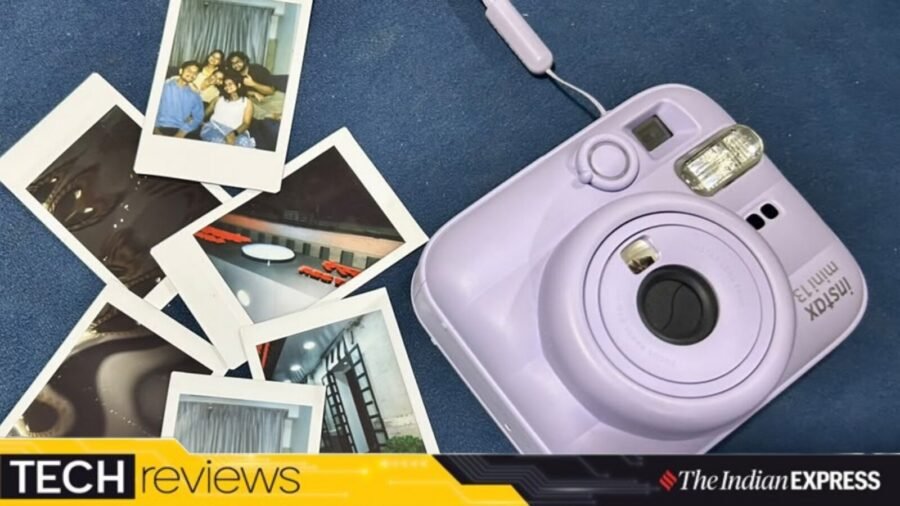
The Instax Mini 13 has a rounded, almost pillowy design that makes it clear this is not aimed at serious photographers. It is designed for parties, travel, casual snapshots and selfies, and the design fits that purpose well.
It comes in five colours, Dreamy Purple, Frost Blue, Candy Pink, Lagoon Green, and Clay White. The metallic Instax logo adds a little polish, although the overall look remains playful.
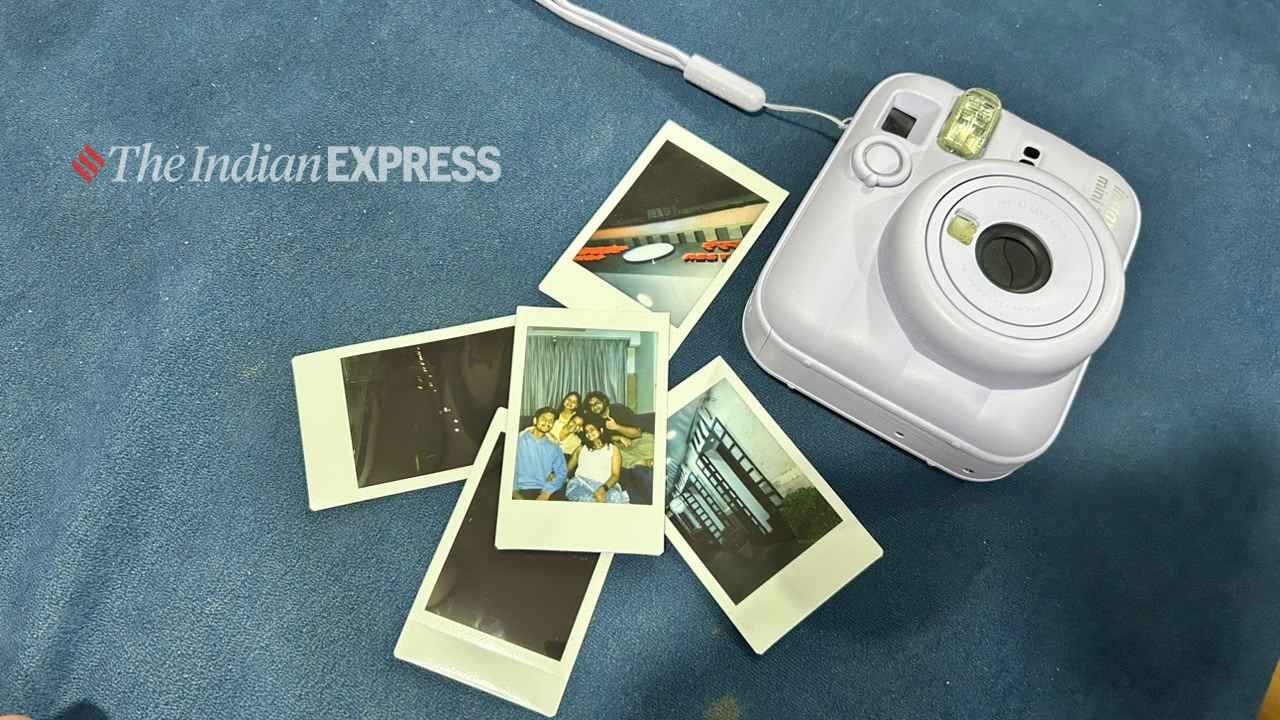 The biggest new addition is the mechanical self-timer around the shutter button.
Despite accommodating instant film, the Mini 13 weighs around 306 grams and is reasonably comfortable to hold. It is still bulkier than a smartphone, but the rounded body makes it easy enough to carry around.
The control layout remains familiar. There is a lens barrel at the front, a shutter button in the centre, a selfie mirror beside it and a flash above the lens. Twisting the lens barrel turns the camera on and extends the lens.
Story continues below this ad
The biggest new addition is the mechanical self-timer around the shutter button. A quick flick activates a two-second timer, while twisting and holding it for two seconds activates a 10-second countdown. An orange LED indicates the selected mode.
The rear houses the viewfinder, film compartment, confirmation window and film counter. The bottom is completely flat, with no tripod mount, which limits how useful the 10-second timer can be for properly staged group photographs.
Performance
Getting started with the Mini 13 is straightforward. It runs on two AA batteries, so there is no charging cable or proprietary battery to worry about. Load a Fujifilm Instax Mini film pack into the rear compartment, check the film counter, and twist the lens barrel to switch the camera on.
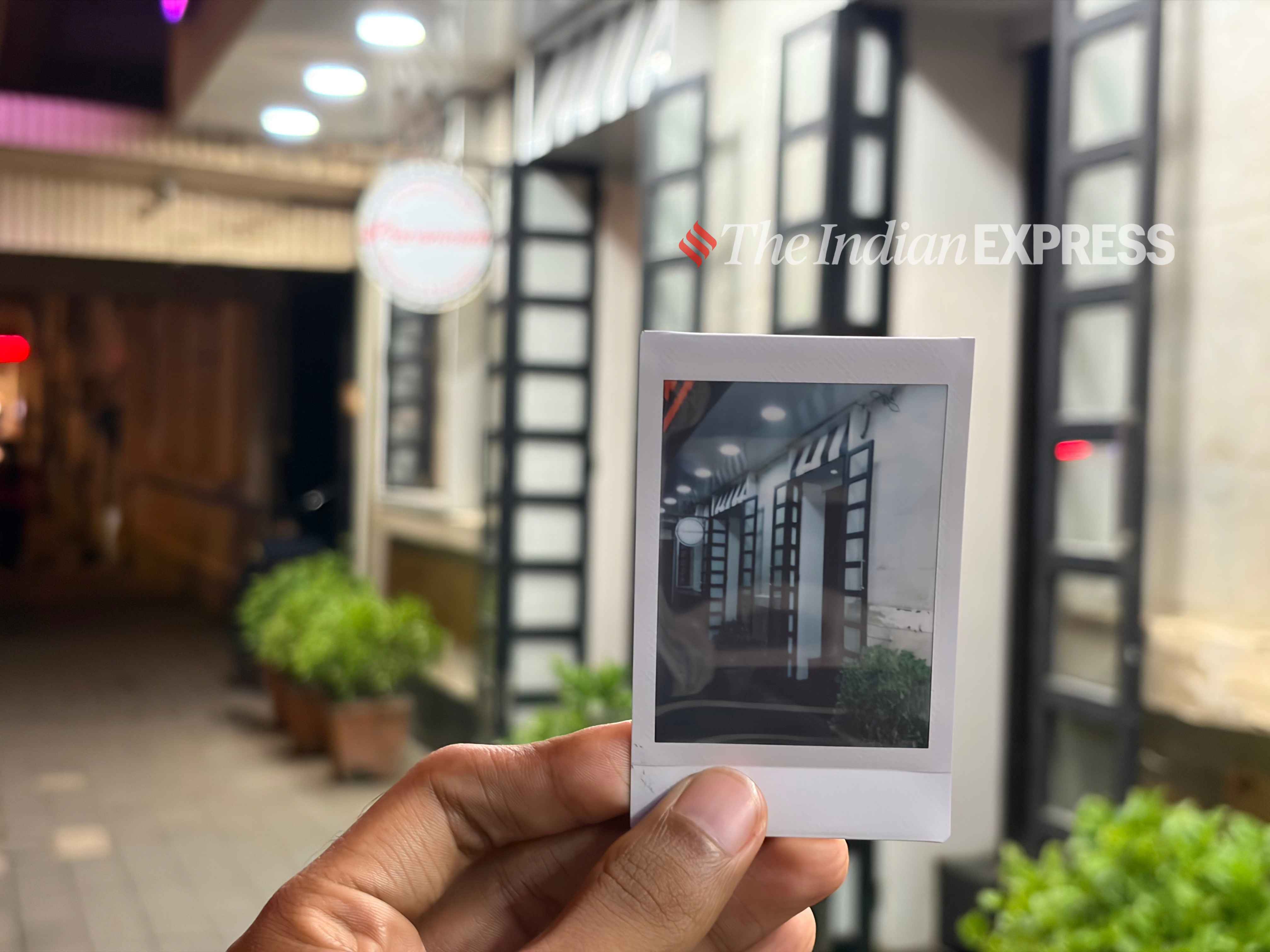 Photos are generally pleasing indoors, particularly at parties, bars and evening gatherings.
There is no menu system or manual setup to deal with. The camera handles exposure and flash automatically, with shutter speeds ranging from 1/2 to 1/250 of a second depending on the lighting.
Story continues below this ad
For close-up photographs, twisting the lens ring activates Close-Up mode, which also brings in parallax correction to help with framing nearby subjects.
After taking a picture, the print physically comes out from the front of the camera and takes roughly 90 seconds to develop. This remains a big part of the Instax experience. There is no app, editing interface or instant preview you simply take the photograph and wait for the physical print.
The Mini 13 uses a 60mm f/12.7 lens and Instax Mini film rated at ISO 800. The relatively sensitive film helps in indoor and lower-light environments, where the built-in flash also plays an important role.
Image quality
This is where expectations need to be realistic. The Mini 13 is not designed to compete with a smartphone or a dedicated camera, and its images have the soft, slightly retro character that has become synonymous with Instax.
Story continues below this ad
Photos are generally pleasing indoors, particularly at parties, bars and evening gatherings. The flash helps illuminate subjects in darker environments and gives the photographs a consistent look.
Bright sunlight is less predictable. Since the flash fires with every photograph and there are no manual exposure controls, some images can look slightly overexposed. This lack of control can be limiting if you want to deliberately adjust the look of your photographs.
For most users, however, the appeal is less about technical perfection and more about the character of the finished print. The occasional imperfect exposure is part of the experience, rather than something the Mini 13 is trying to eliminate.
Verdict
The Fujifilm Instax Mini 13 costs Rs 8,499 and delivers a straightforward instant-camera experience without unnecessary complexity.
Story continues below this ad
The self-timer is a useful addition, the rounded design is comfortable to hold, and the automatic shooting system makes the camera particularly accessible to beginners. At the same time, the fixed flash, lack of a tripod mount, and basic imaging system mean it is best viewed as a fun snapshot camera rather than a serious photography tool.
If you already own an Instax Mini 12, the changes are modest enough that there is little reason to rush into an upgrade. For someone buying their first instant camera, though, the Mini 13 captures what makes the format appealing: simple operation, imperfect photographs and, most importantly, a physical print that you can hold in your hand.
The Mini 13 is not trying to make instant photography technically better. It is trying to make it enjoyable and for the most part, it succeeds.