Flock cameras and the Fourth Amendment: What did the federal judge rule on police searches? Privacy concerns explained
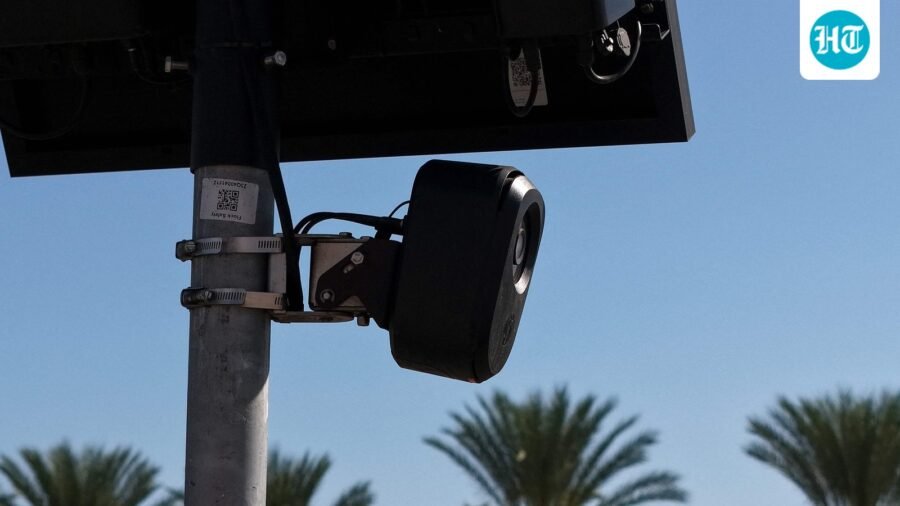
The Oklahoma ruling raises new questions about police access to vehicle tracking data and privacy protections under the Fourth Amendment.
Published on: Oct 5, 2026, 06:18:16 IST
Prefer HTon Google
Share via
Copy link
A federal judge in Oklahoma has raised new Fourth Amendment concerns over how law enforcement uses Flock Safety’s license-plate data. The ruling focused on one police search, but it has broader implications for privacy and surveillance. TechCrunch
What did the judge rule on Flock cameras?
U.S. District Judge Sara E. Hill ruled that a Tulsa County sheriff’s deputy violated the Fourth Amendment when he searched a vehicle’s historical location data through Flock and another license-plate reader system without a warrant. The search produced more than 50 sightings of the vehicle across several states over roughly a month.
The case involved a woman whose vehicle had California plates. According to the ruling, the deputy searched the database before identifying a traffic violation or other criminal activity. He later stopped the driver after observing an infraction.
According to The Hill, Judge Hill said the government’s ability to collect and review a person’s movements over time can create a serious privacy issue. She wrote, “Freedom from persistent, dragnet-style surveillance while in public is not a foreign concept in our society, and it is a reasonable expectation that society already accepts.”
She added, “But it becomes constitutionally problematic when law enforcement can indiscriminately and passively catalog your whereabouts over an extended period of time and then use that information for any purpose whenever convenient.”
How do Flock cameras track vehicles?
Flock Safety uses automated license plate readers, commonly called ALPRs, to record information about vehicles passing its cameras. The system can identify a license plate along with details such as a vehicle’s make, model and other features.
The technology does not collect biometric information from people inside the vehicle. Its main purpose is to create searchable vehicle records that police can use during investigations.
The concern in this case was not just that a camera captured a vehicle on a public road. It was that police could search stored records and reconstruct where that vehicle had traveled over an extended period without first getting a warrant. Judge Hill described this as “a type of indiscriminate mass surveillance.”
Does the ruling ban Flock cameras?
No, the decision does not ban Flock cameras or stop police departments across the US from using ALPR technology. It also does not create a nationwide binding precedent.
Instead, the ruling applies to the specific search in the Oklahoma case and says the deputy’s search lacked probable cause and violated the driver’s Fourth Amendment rights. Judge Hill ordered the evidence obtained after the Flock search to be suppressed.
Flock Safety has pushed back against the decision. A company spokesperson told The Hill that the ruling conflicts with decisions in other cases and said the company expects it to be appealed.
The case comes as Flock faces wider debate over privacy and police surveillance. Lawmakers from both parties have also called for limits on the technology, while some states and local governments have moved to restrict or end its use.
See Less




Leave a Reply