Buddhist Activist BD Borkar Moves Supreme Court Against Mandatory Singing Of Full Vande Mataram
Nagpur-based Buddhist activist BD Borkar has moved the Supreme Court challenging Centre's directions prescribing the six-stanza version of Vande Mataram for specified occasions. Borkar's plea argues that the later stanzas contain religious invocations and violate secularism, fraternity and fundamental rights. It seeks quashing of the MHA orders.
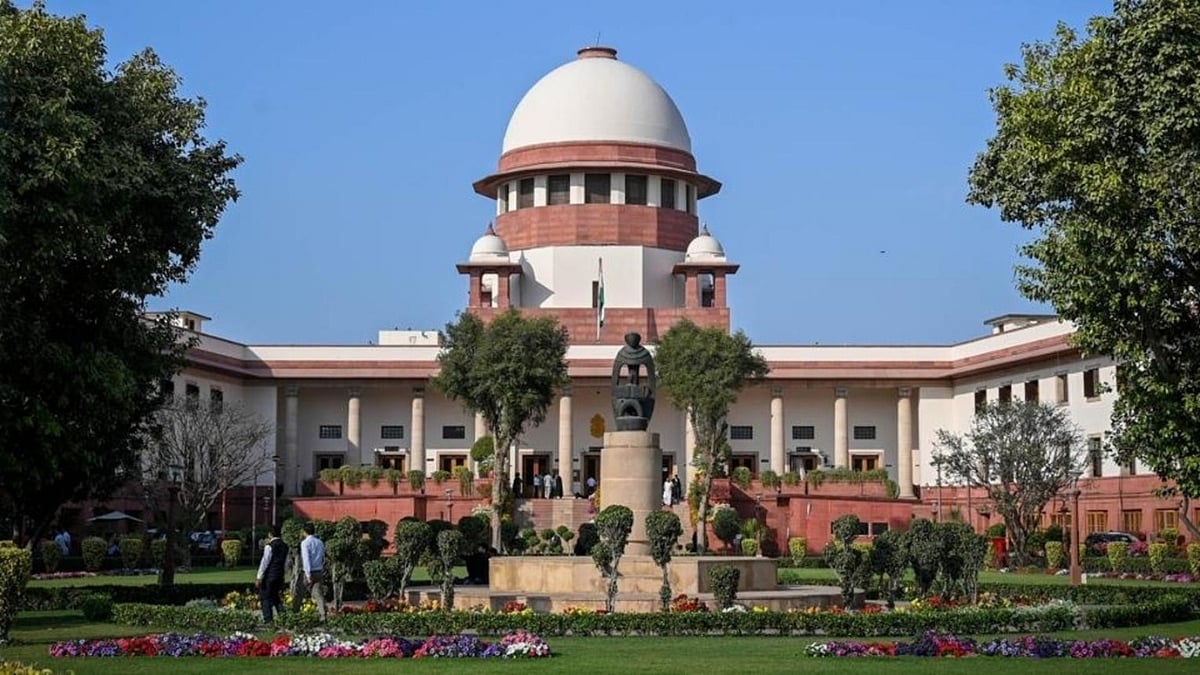
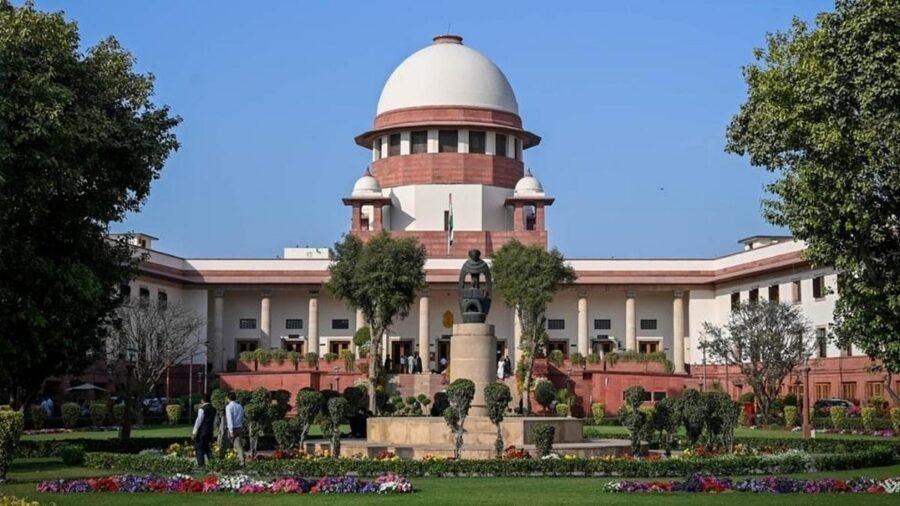
Supreme Court. | File Photo
A petition has been filed by a Buddhist activist before the Supreme Court of India challenging the mandatory singing of the full version of Vande Mataram at formal state events.
According to reports, the petitioner, identified as BD Borkar, a Nagpur-based Buddhist activist, Ambedkarite scholar and civil rights advocate, contends that the MHA orders dated January 28, 2026, and July 9, 2026, illegally replace the 79-year-old practice of singing a standalone, non-theistic two-stanza poem with the full version containing explicit anti-Muslim invective.
Petitioner challenges MHA orders
"Under the guise of providing directions on the playing and singing of an ‘official version’… the impugned orders repealed the existing National Song… and imposed a new National Song which is the six-stanza civil war song of Anandamath with its unconstitutional, idolatrous and Islamophobic content," the plea states, Bar and Bench reported.
`;
The reports further state that for eight decades the country had adopted the two-stanza version of Vande Mataram by Bankim Chandra Chatterjee.
He further argued that replacing it with the full six-stanza composition appearing in Bankim Chandra Chatterjee's novel Anandamath will "irreversibly deepen communal division and conflict in India by outraging the religious and spiritual feelings of minority religions," reported LiveLaw.
Plea distinguishes two versions
The petitioner argues that the original two-stanza version, written before the novel Anandamath, is different from the six-stanza version included in the novel in 1881. According to the petition, the first two stanzas describe the natural beauty of the motherland, while the additional four stanzas refer to Hindu goddesses Durga, Lakshmi and Saraswati.
Further, he maintained that for the same reason Mahatma Gandhi and Rabindranath Tagore had objected to the adoption of all six stanzas, and the first two stanzas were accepted as a formula put forth by Tagore.
Plea seeks quashing of orders
Therefore, the plea, filed through advocate Vaibhav Choudhary and drawn by Professor Mohan Gopal, seeks the quashing of the MHA orders and contends that they are unconstitutional.
To get details on exclusive and budget-friendly property deals in Mumbai & surrounding regions, do visit: https://budgetproperties.in/

Add As a
Trusted Source 



Leave a Reply