Aloo vs gobhi vs pyaz paratha: Which is the healthiest breakfast option?
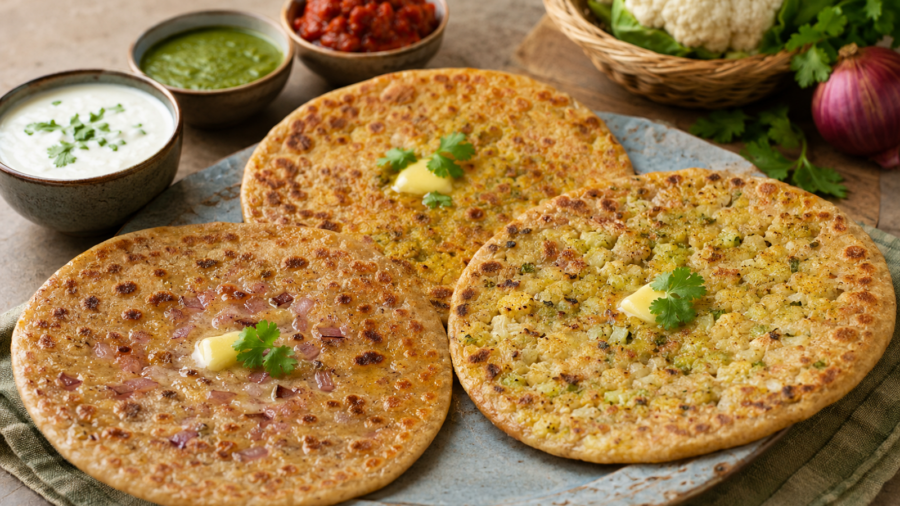
Why gobhi paratha comes out on top
The dietician explains that she ranked gobhi paratha at the top because cauliflower is naturally rich in fibre and has “a good range of vitamins while keeping the meal relatively light”. It also offers folate and antioxidants.
Story continues below.
Subscribe to see fewer ads.
Pyaz paratha comes next. Kumari explains that onions provide antioxidants and prebiotic fibres that are beneficial for the gut and digestion, “although they don’t contribute as much bulk as cauliflower.”
Kumari ranks aloo paratha third—not because it’s “unhealthy”, but because potatoes contribute “more starch and fewer vegetables per serving”. That being said, they are richer in carbohydrates and supply potassium, which is important for muscle and nerve function.
Which one is the most nutritious?
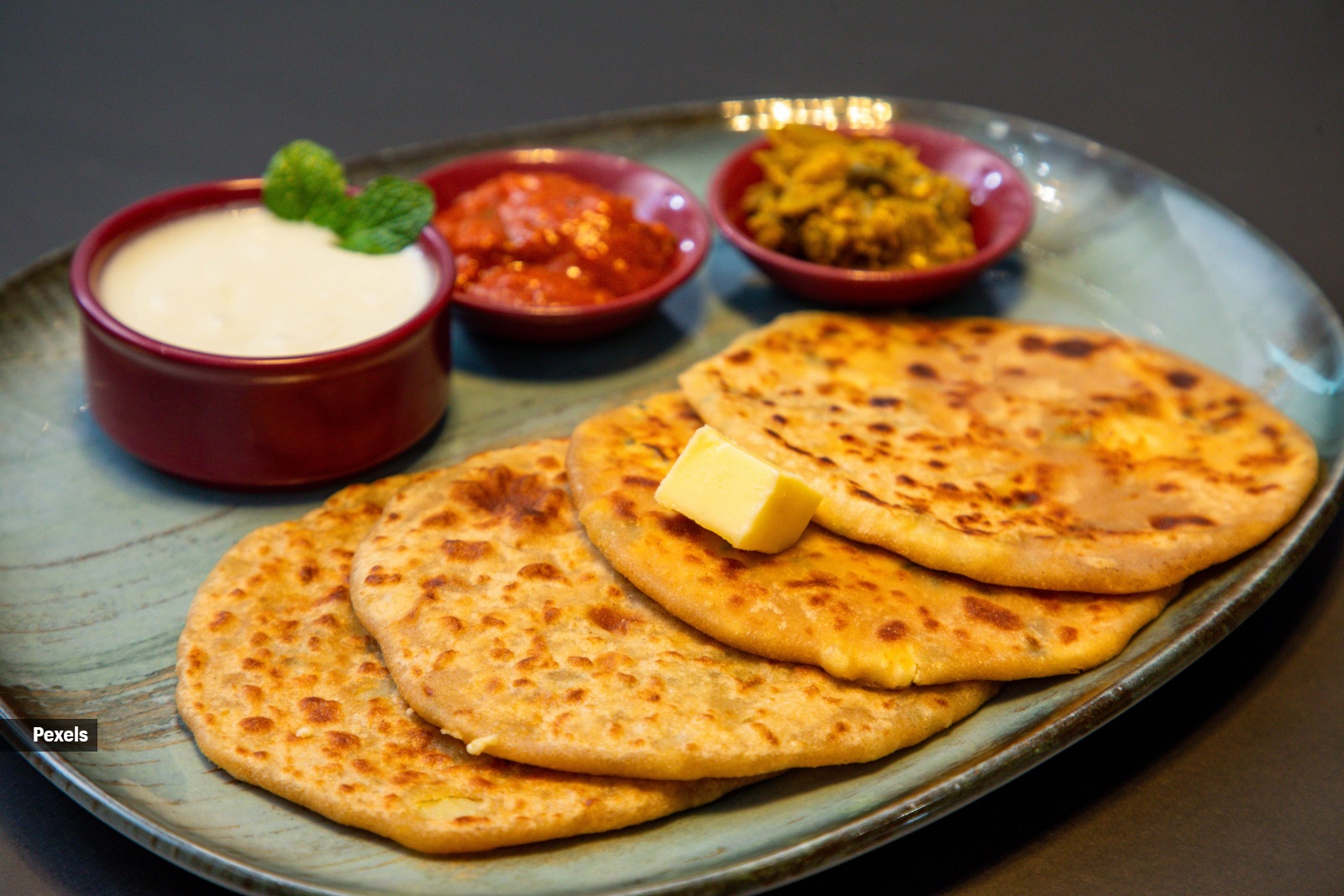 Instead of butter and pickle, opt for homemade chutneys or yoghurt to make your paratha meal healthier
Kumari further points out that people often focus too much on the filling, while other factors might silently affect the overall nutritional profile of a paratha.
“The amount of oil or ghee used, the size of the paratha, and what you eat alongside it have a much bigger impact on its nutritional value than whether it’s filled with potato, cauliflower, or onion.”
Story continues below this ad
Moreover, the calorie gap between these three parathas isn’t as large as many people assume. According to her, the biggest contributor to calories is usually the amount of oil, ghee, or butter used while cooking.
Each stuffing has its own nutritional strengths. However, one nutrient all three are relatively low in is protein. “Protein is where all three fall short because vegetables don’t contribute much.”
To make breakfast more balanced, Kumari recommends pairing your paratha with curd, paneer, or even a bowl of dal instead of eating it on its own.
Which paratha keeps you full for longer?
Among the three, gobhi paratha is likely to keep you fuller because its higher fibre content slows digestion. However, as Kumari clarifies, fullness depends on the entire meal, not just the stuffing.
Story continues below this ad
“Since all three are relatively low in protein, hunger can return quickly.”
Adding plain curd, homemade raita, or paneer alongside the paratha can make a noticeable difference because protein helps keep you full for longer.
She also recommends eating mindfully, avoiding excessive butter or fried accompaniments, and keeping portions sensible. “A simple, balanced breakfast with one or two parathas, curd, and perhaps a seasonal fruit is far more satisfying than relying on carbohydrates alone.”
Easy ways to make any paratha healthier
You don’t have to stop eating parathas to make your breakfast healthier. Kumari recommends using whole wheat flour and, whenever possible, mixing in millet flour or besan to increase fibre and nutrients. Adding more vegetables to the stuffing, cooking with just enough oil or ghee, and serving the paratha with curd, raita, or paneer can also make the meal more balanced.
Instead of topping your paratha with butter or pairing it with pickle, try homemade chutneys or plain yoghurt for extra flavour without overloading the meal with fat.
Story continues below this ad
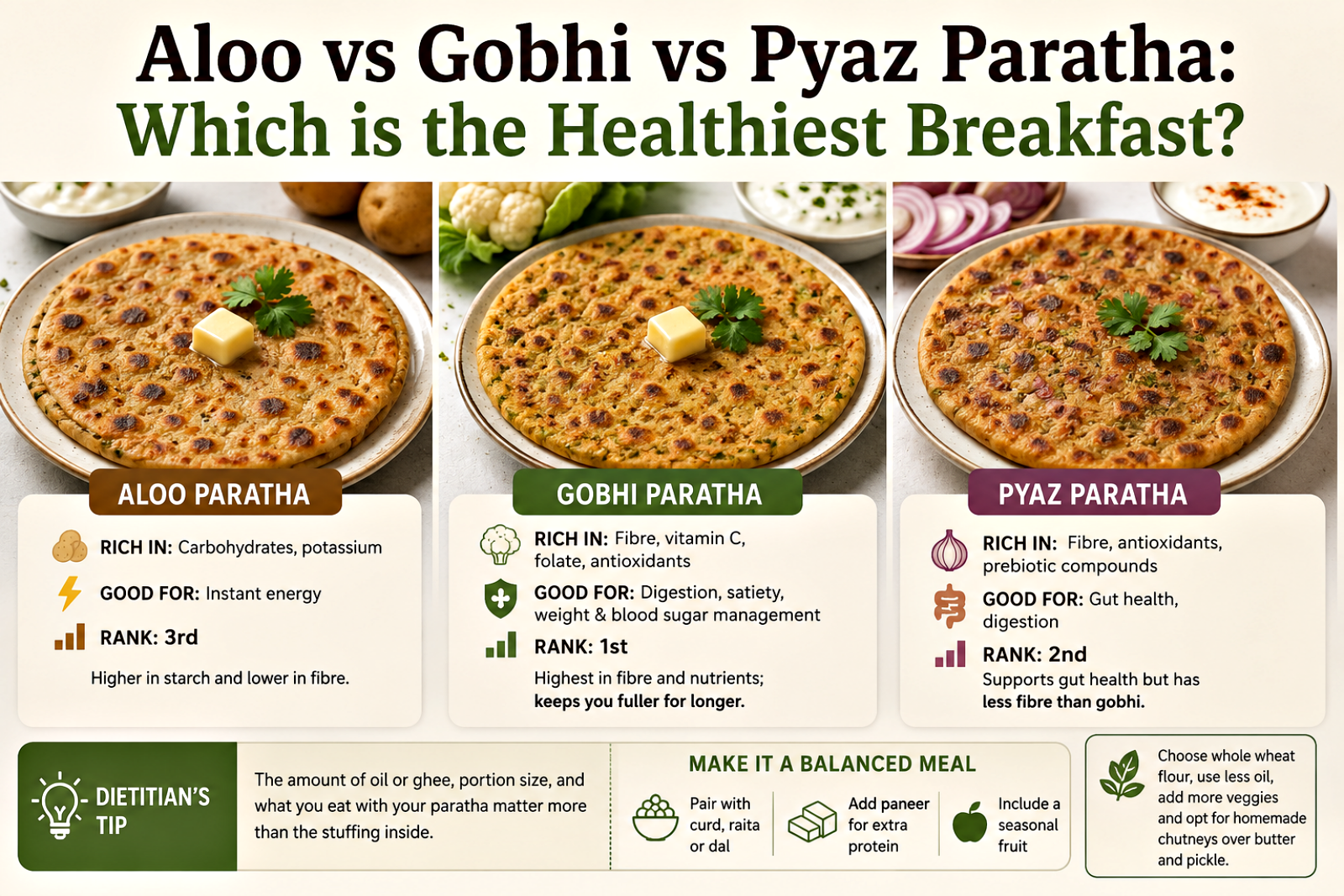 Complete nutritional comparisons (Ai generated image; facts verified by Dt. Meena Kumari)

Actor Vidya Malavade shares Uddiyana Bandha tutorial: How to practise it safely
By Sohail Khan · 4 Oct


Leave a Reply