7 remarkable species found in Himachal Pradesh
If your idea of wildlife in India begins and ends with tigers, elephants and leopards, Himachal Pradesh has a very different list waiting for you. Head higher into the mountains and the landscape changes, along with the animals that call it home.
From the elusive snow leopard of Spiti to the brilliantly coloured Himalayan monal, Himachal is home to several rare and distinctive Himalayan species. Some are notoriously difficult to spot, but that is part of what makes seeing them in the wild so special.
Here are some of the animals to look out for in Himachal Pradesh.
Story continues below.
Subscribe to see fewer ads.
Snow leopard
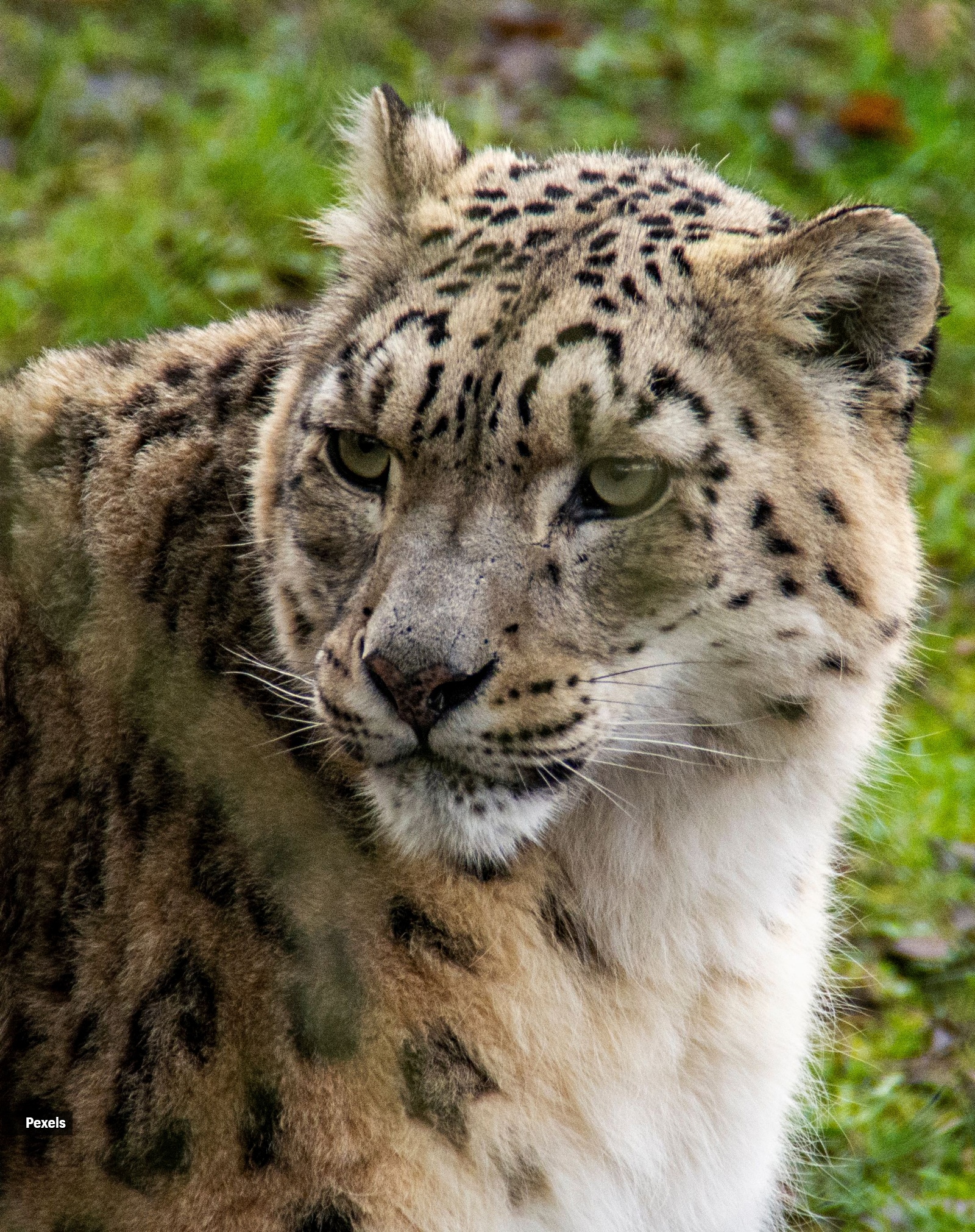 Snow leopards in HP are concentrated primarily in the high-altitude cold deserts of the Spiti Valley and Kibber Wildlife Sanctuary
The snow leopard is Himachal Pradesh’s state animal and is strongly associated with the state’s high-altitude wilderness. Its important landscapes include Spiti, Pin Valley, Kinnaur, Lahaul and Pangi, as well as parts of the Greater Himalayan National Park region.
Don’t expect an easy sighting, though. Its grey, spotted coat blends remarkably well into rocky mountain terrain, which is why it is popularly known as the “ghost of the mountains”. Even in areas where snow leopards are known to occur, sightings remain rare.
Himalayan monal
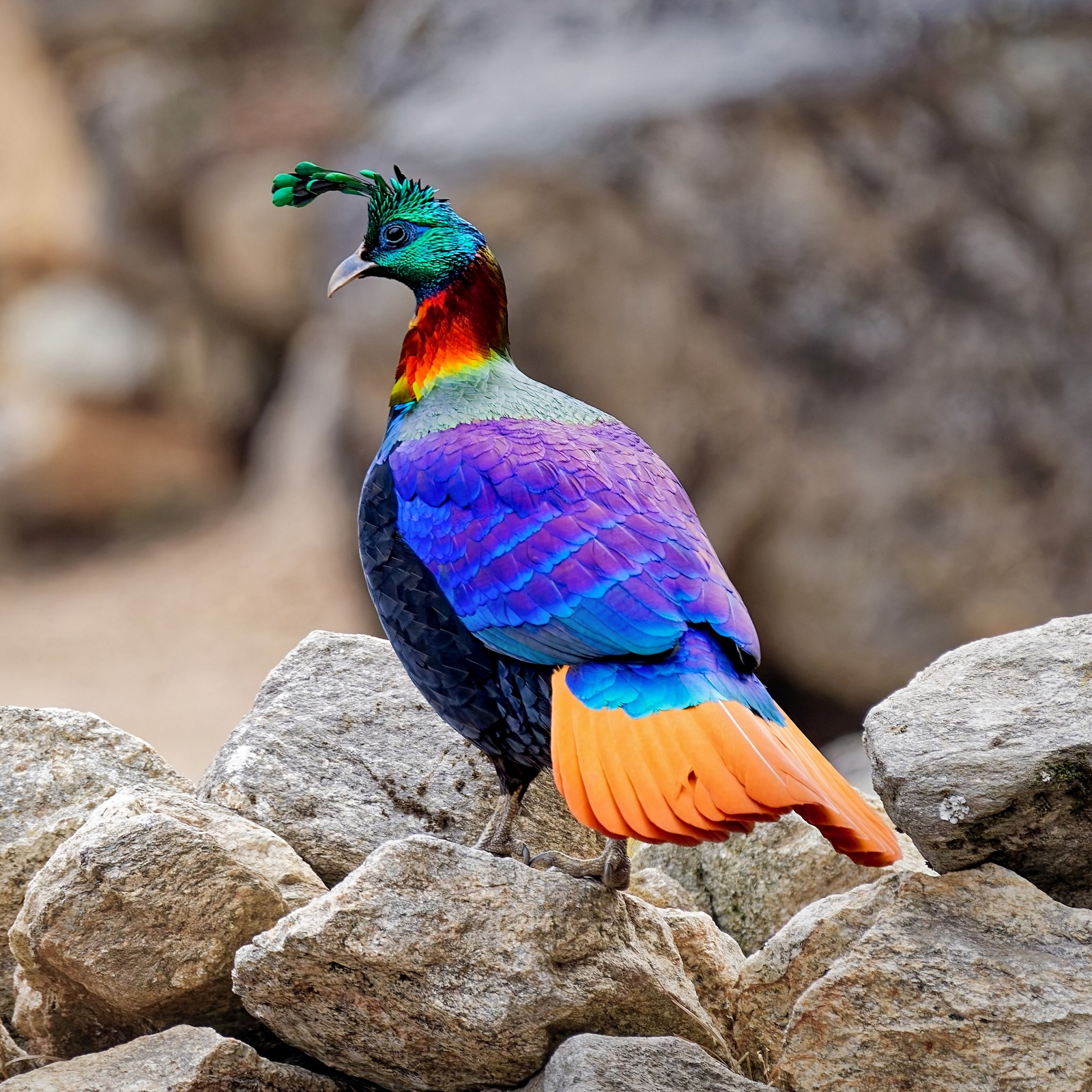 The Himalayan Monal was the state bird of Himachal Pradesh until 2007
Think of a pheasant, but make it spectacular. The Himalayan monal has iridescent plumage that can flash shades of green, blue, purple and copper when the light catches it.
The bird occurs in Himachal’s temperate and subalpine forests, forest edges and higher meadows. The Great Himalayan National Park is among the protected landscapes where it is found.
Story continues below this ad
And while it is one of Himachal’s most distinctive birds, it is not the state’s official bird. The western tragopan holds that title.
Himalayan ibex
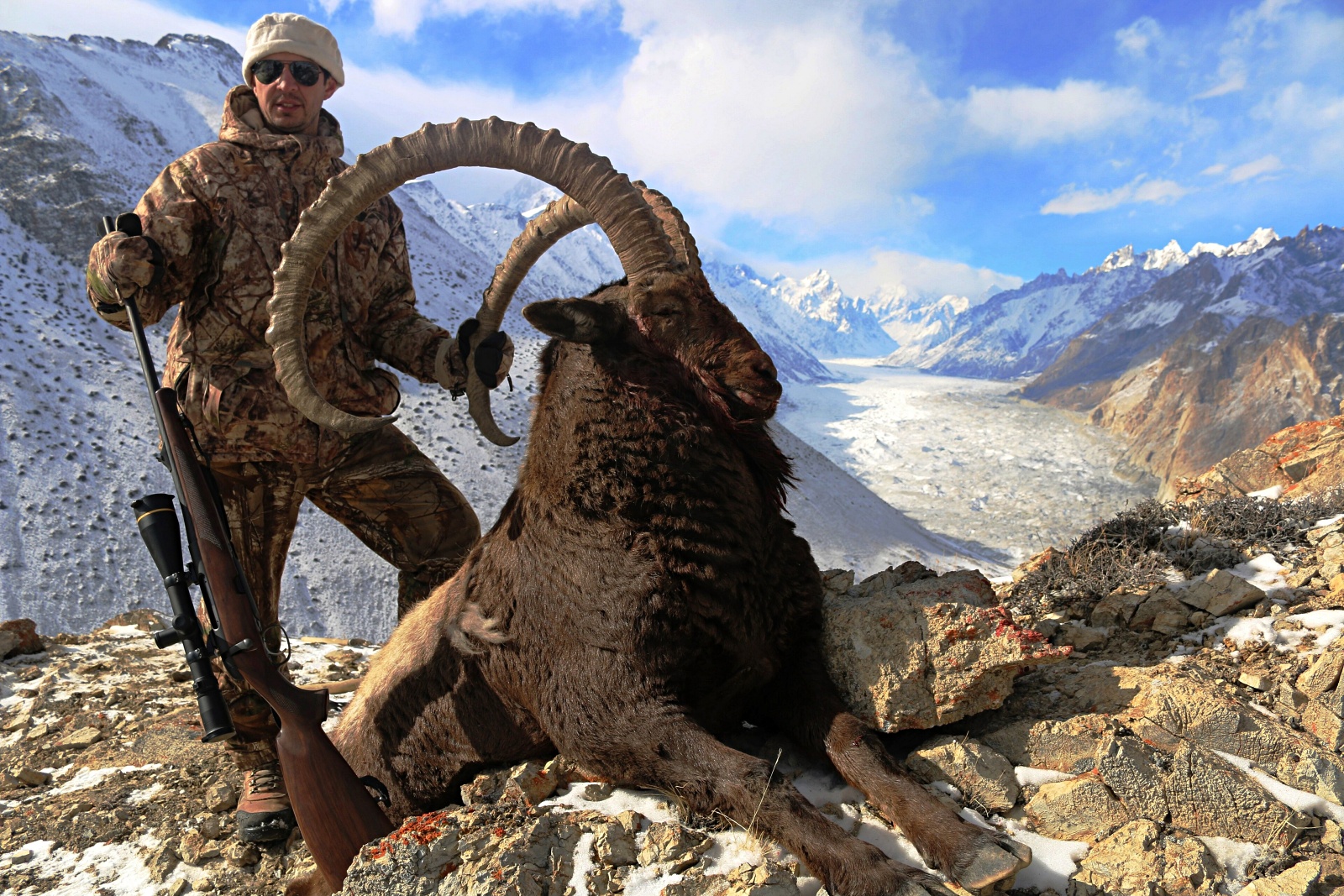 Adult males weigh around 90 kg with massive horns (up to a meter long); females are smaller with shorter horns (Wikimedia Commons)
In Himachal’s high, rocky and trans-Himalayan terrain, the Himalayan ibex is another species to look for. This wild mountain goat has large, curved horns and is built for steep slopes.
It is also an important prey species for snow leopards. Ibex populations have been studied in landscapes such as Pin Valley, but the animal is locally distributed, so it is far more likely to be encountered in suitable high-altitude terrain than across Himachal generally.
Western tragopan
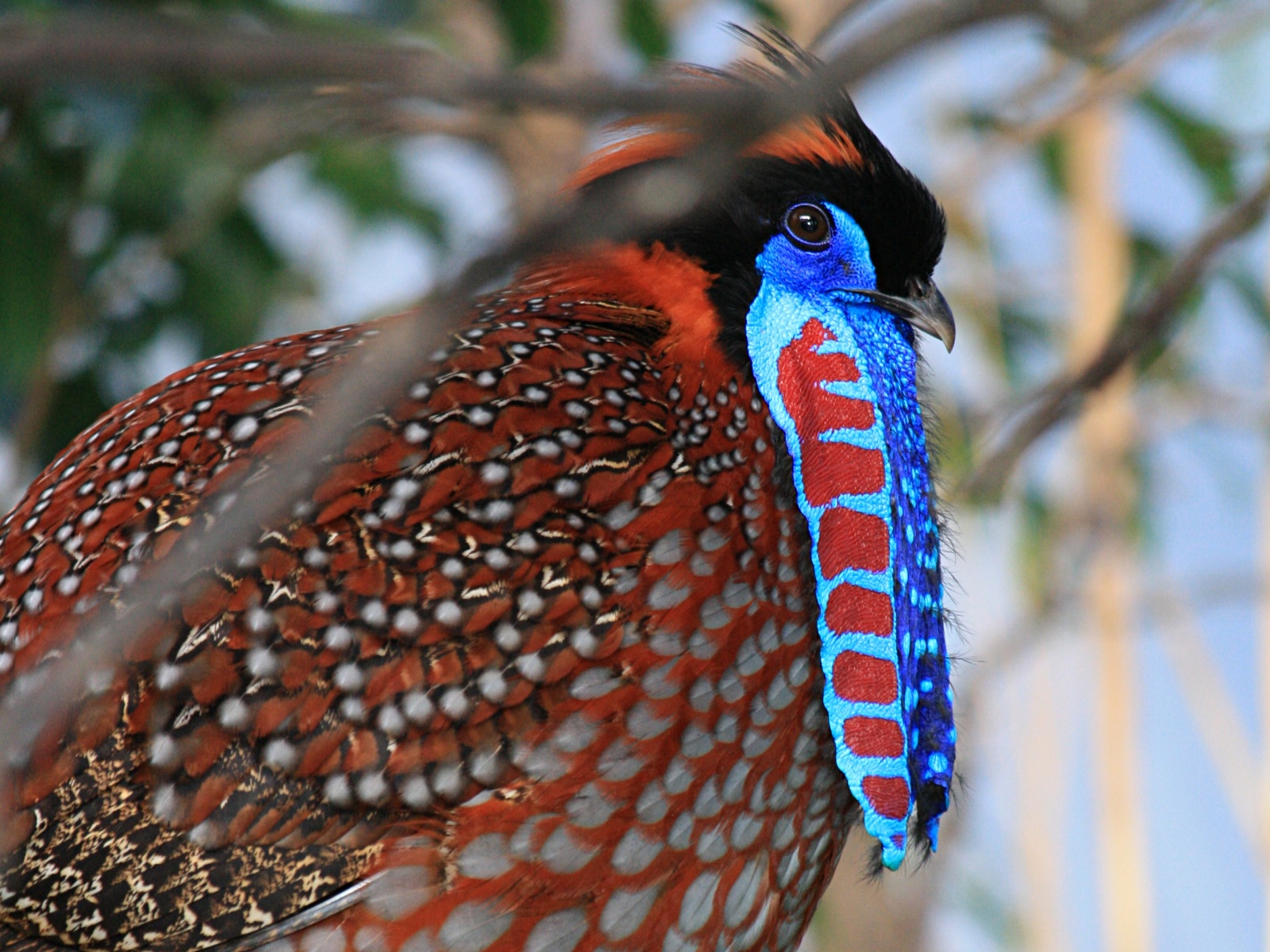 Western tragopan is considered one of the world’s rarest pheasants
The western tragopan, locally known as jujurana, is a rare pheasant and Himachal Pradesh’s state bird. It occurs across parts of the western Himalayas, so it is not exclusive to Himachal, but the state provides important habitat for the species.
Story continues below this ad
The bird favours dense temperate and subalpine forests with thick undergrowth. Its secretive behaviour makes it difficult to spot even where it is known to occur. The Great Himalayan National Park landscape is among the areas that provide important habitat for it.
Blue sheep or bharal
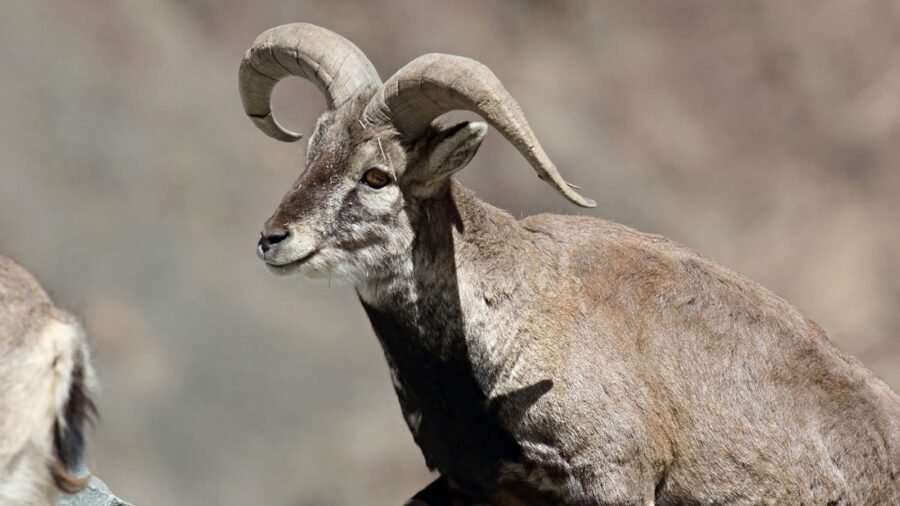
Despite its name, the bharal, or blue sheep, is a wild mountain ungulate rather than a true sheep. Its greyish-blue coat helps it blend into rocky slopes, while its sure-footedness allows it to navigate steep terrain.
Bharal are among the principal prey species of snow leopards and occur in the high-altitude ecosystems of Himachal. They occur in protected landscapes, including the Great Himalayan National Park and Rupi Bhaba Wildlife Sanctuary.
Himalayan tahr
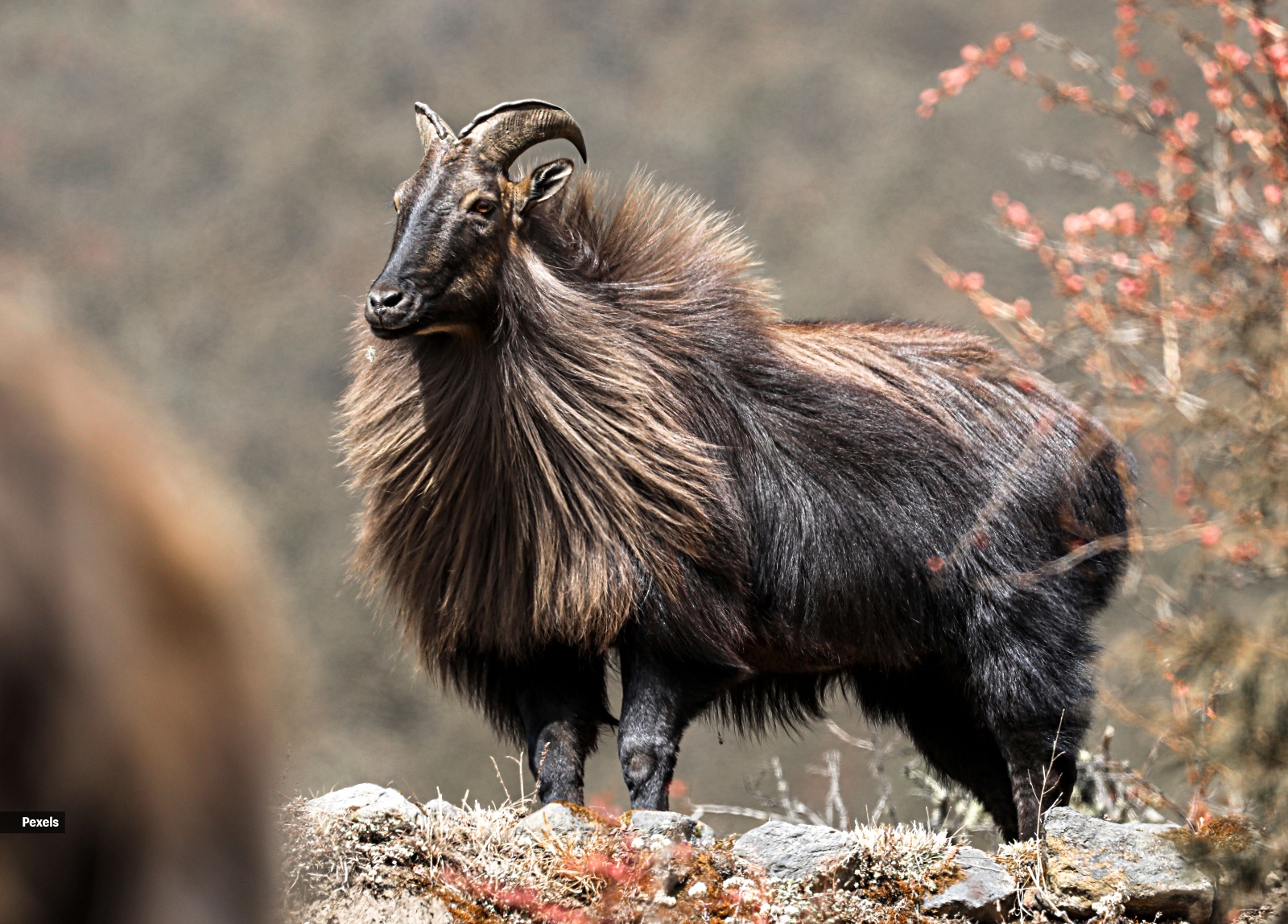 Himalayan Tahr is listed as Near Threatened on the IUCN Red List due to hunting and habitat loss
The Himalayan tahr is a large, stocky wild goat found in parts of Himachal’s alpine and subalpine terrain. Its thick coat helps it withstand cold conditions, while its strong limbs allow it to navigate steep mountain slopes.
Story continues below this ad
The species is recorded in protected landscapes including Rupi Bhaba Wildlife Sanctuary and the Great Himalayan National Park region. Like the other mountain ungulates on this list, it is not an animal you are equally likely to see everywhere in the state.
Himalayan musk deer
View this post on Instagram
A post shared by Dhritiman Mukherjee (@dhritiman_mukherjee)
Small, secretive and very different from the deer you might picture in India’s forests, the Himalayan musk deer is found in Himachal’s temperate, subalpine and high-altitude forests.
It is recorded in the Great Himalayan National Park landscape, but spotting one is another matter altogether. The species is highly elusive and prefers dense cover, making it much harder to see than larger mountain animals.
Explore more captivating stories about pets and animals here, and make us your daily stop for the latest from the animal kingdom.


The morning heart attack pattern: Why the hours after waking may matter
By Sohail Khan · 4 Oct
What do we tell a girl who asks ‘was it me?’
By Sohail Khan · 4 Oct
Leave a Reply