3 diet changes that may reduce plastic chemicals in your body: ‘They are double exposure’
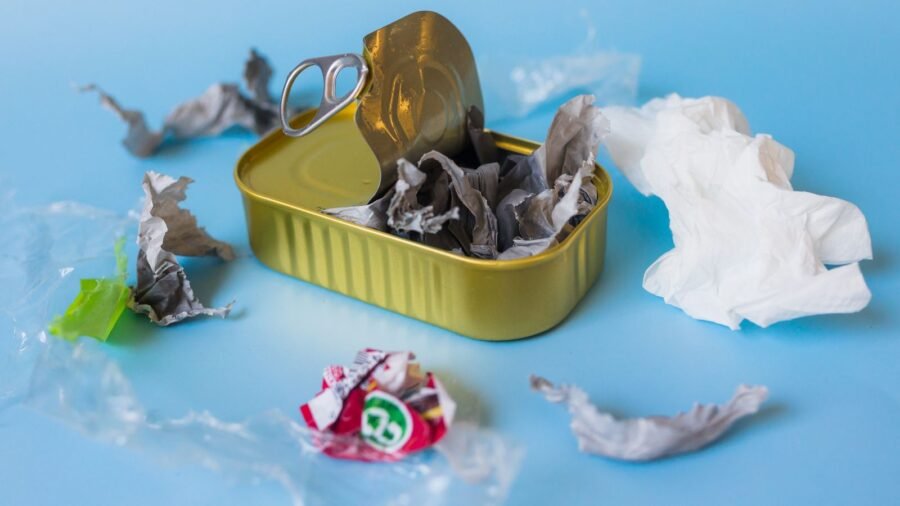
Concerns about exposure to plastic-related chemicals have grown as research continues to examine their potential effects on human health. In a recent Instagram video, gastroenterologist Dr Saurabh Sethi discussed ways to reduce exposure through food choices. He said, “Research shows that you can reduce the amount of plastic chemicals in your body by up to 60% in just seven days. BPA and phthalates- you are exposed to them daily, and that exposure is quietly linked to metabolic syndrome, heart disease and hormone disruption. A randomised controlled trial in Nature Medicine just proved you can change that in one week (sic).”
He then outlined three dietary changes, beginning with, “First, ditch canned foods. The lining leaches BPA directly into whatever you eat or drink. Yes, canned beverages as well (sic).” He also advised, “Second, ultra-processed foods. Breakfast cereal, corn chips, packaged snacks. They are double exposure. Processed ingredients wrapped in plastic packaging.” Finally, he added, “And last, avoid plastic packaging even on fresh foods. The contamination starts before you open it. So just one week of smarter food choices cuts your plastic chemical burden by more than half.”
Story continues below.
Subscribe to see fewer ads.
An expert explains what the research shows, how meaningful these reductions are for health, and which practical measures are worth adopting.
What science says about plastic chemicals and long-term health
Dr Palleti Siva Karthik Reddy, MBBS, MD, general medicine, FAIG, Consultant physician at Elite Care Clinic, tells indianexpress.com, “The scientific evidence linking BPA, phthalates and other endocrine-disrupting chemicals to metabolic disorders, cardiovascular disease and hormonal disturbances has grown considerably over the past decade. Multiple observational studies have found associations between higher levels of these chemicals in the body and an increased risk of obesity, insulin resistance, type 2 diabetes, hypertension and reproductive health issues. These substances can interfere with hormonal signalling pathways that regulate metabolism, appetite, inflammation and cardiovascular function.”
However, Dr Reddy stresses, much of the human evidence is observational, meaning it shows associations rather than direct causation. “While the biological mechanisms are increasingly well understood, researchers are still working to determine the exact magnitude of risk and the long-term benefits of reducing exposure. That said, reducing unnecessary dietary exposure is a prudent preventive measure because these chemicals offer no health benefit and are potentially harmful, particularly with cumulative exposure over many years.”
View this post on Instagram
A post shared by Saurabh Sethi MD MPH | Gastroenterologist (@doctor.sethi)
Story continues below this ad
Practical ways to reduce plastic exposure through food
Quick Quiz
See if you can answer this:
Which change is most strongly supported by evidence for reducing plastic-related chemical exposure through food?
A. Replace every plastic item in your home immediately.
B. Choose fresh or minimally processed foods, store food in glass or stainless steel, and avoid heating food in plastic containers.
C. Stop drinking all tap water because filters remove every type of microplastic.
Story continues below this ad
D. Worry about occasional use of a plastic container more than everyday food habits.
Reveal the answer
✅ Correct answer: B
“The biggest opportunities to reduce plastic-related chemical exposure come from food habits. Choosing fresh or minimally processed foods, storing food in glass or stainless-steel containers, reducing packaged and canned foods where practical, and avoiding heating food in plastic are among the best-supported strategies. Experts emphasise that repeated long-term exposure matters more than occasional use of plastic, so focusing on a few high-impact habits is more useful than trying to eliminate all plastics,” concludes Dr Reddy.

AI global governance needs China to sign on
By Sohail Khan · 1 Oct

Manchester City’s unforgettable moments — what are they worth now?
By Sohail Khan · 1 Oct
Leave a Reply