15 car safety mistakes to avoid: From high beams to feet on the dashboard
Story continues below.
Subscribe to see fewer ads.
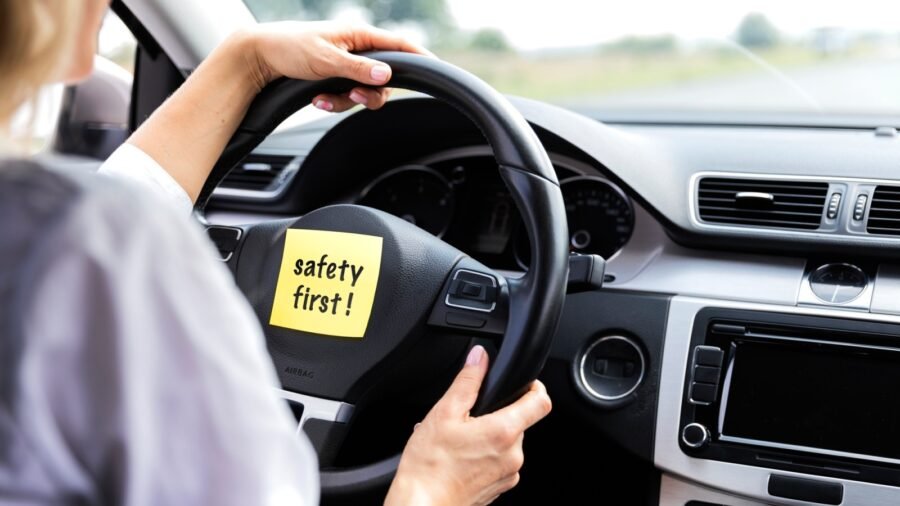
“Never sit too close or too far away from the steering wheel. Place your wrists on the steering wheel. Your elbow should be slightly bent. This helps you maintain the right driving position,” he says.
2. Use low beam in traffic
High beams can make it difficult for other drivers to see clearly, particularly when vehicles are approaching from the opposite direction.
“Always drive on low beam in traffic. High beams can blur the vision of the oncoming driver, increasing the risk of an accident,” Parashar explains.
Story continues below this ad
3. Never put your feet on the dashboard
Keeping your feet on the dashboard may seem comfortable during a long drive, but it can be dangerous if the airbags deploy. “Never rest your foot on the dashboard. If the airbag blows, it can cause severe injuries to the legs and back,” says Parashar.
4. Don’t let children sit on your lap
Children should not be carried on an adult’s lap while travelling in a car. They can be especially vulnerable during a collision because they are not properly restrained.
“Never make children sit on your lap. They are too close to the dashboard or the front seats when sitting at the rear and are not belted up,” Parashar says.
He adds that airbags can pose another risk when a child is sitting too close to them. “In case of an accident, they are the most prone to serious injuries. If the airbags open, it can leave them with burn injuries or suffocation since they will be too close to the airbags.”
Story continues below this ad
Parashar further recommends using an appropriate child seat. “It’s highly advisable to use child seats since the car is designed to keep children in car seats safe.”
5. Don’t remove the headrest
Headrests are not merely for comfort. They are designed to provide support to the head and neck during a collision. “Never take out the headrest from your car’s seats. The headrest helps prevent whiplash injuries in a collision. Without headrests, the occupants can face severe neck injuries,” Parashar says.
While some headrests have metal rods that are sometimes suggested as a way to break a car window in an emergency, Parashar does not consider them particularly effective because they may not provide enough grip or movement. “It’s best to keep a hammer or tyre wrench handy,” he says.
6. Avoid hair accessories that can hurt during a collision
Parashar also points to a lesser-discussed safety issue involving hair accessories. “For women, don’t drive with plastic or metal clips to tie up your hair. In case of a collision, it can hurt during the whiplash neck movement,” he says.
Story continues below this ad
7. Check your car before getting in
Parashar recommends being observant before getting into your vehicle, particularly if it has been parked unattended.
“One safety hack is to always check the rear wheels of your car when you are approaching it. If the suspension feels a bit lower, chances are someone got into your car in your absence and might attack you from behind when you take the wheel in the front seats,” he says.
If something about the vehicle looks unusual, it is better to assess the situation from a safe distance than to get inside immediately.
8. Consider a tracker and geofencing
A vehicle tracker can also add an extra layer of awareness, especially when family members or others you trust use the car.
Story continues below this ad
“Keep a tracker in your car and set a geofence. Give access to someone you trust so that whenever your car takes an unusual route, they are alerted,” Parashar says.
9. Check for unfamiliar tracking devices
Parashar also advises periodically checking less-visible storage and exterior areas of the vehicle for unfamiliar devices.
“From time to time, check the bottom, boot, door pockets, glove box and armrest storage, among other areas of your car that you don’t frequently see, for any trackers or bug devices,” he says.
If you find an unfamiliar device, avoid confronting anyone you suspect and consider seeking help from the appropriate authorities or a trusted person.
Story continues below this ad
10. Don’t stop in an isolated place if something sounds wrong
An unusual noise coming from your vehicle can be concerning, but stopping immediately in an isolated location may leave you vulnerable.
“Never stop your car in an isolated place when you doubt any unusual noise coming from your car. Find a safe and crowded place,” Parashar advises.
11. Don’t use the wipers if eggs or mud are thrown at the windscreen
If someone deliberately throws something onto your windscreen, your first instinct may be to use the wipers. Parashar advises against doing so.
“If eggs or mud are thrown at your windscreen, never switch on the wipers. It will make it worse,” he says. Instead, prioritise maintaining control of the vehicle and getting to a safe location rather than stopping in an isolated area.
Story continues below this ad
12. Be cautious when strangers approach your car
Drivers should also be careful about how much access they give strangers to the vehicle. “Never open your car windows completely when strangers approach you and try to intimidate you. Just drive off if you sense anything suspicious,” Parashar says.
He adds, “Even if someone is hurt, it’s not a crime; it’s self-defence.” If there is a genuine emergency, contact the appropriate emergency services rather than putting yourself at unnecessary risk.
13. Install a dashcam
A dashcam can record what happens around the vehicle and may help in an incident. “And get a dashcam for your car,” Parashar recommends.
14. Keep valuables out of sight
Visible valuables can make a parked car more attractive to thieves. Parashar advises against leaving items such as phones, laptops, wallets or jewellery where they can easily be seen.
Story continues below this ad
“Never keep valuables — phone, laptop, wallet, jewellery and so on — on the seat or anywhere in the car where they are easily visible. Always use dashboard storage space or armrest storage space to keep them,” he says.
15. Don’t open the car to people approaching from different sides

Actor Nushrratt Bharuccha’s injury: How soon can you fly after a spinal fracture?
By Sohail Khan · 3 Oct
Why did flydubai flight FZ1073 have two extra pilots on board?
By Sohail Khan · 3 Oct
Lung cancer is India’s deadliest cancer. So why don’t we screen for it?
By Sohail Khan · 3 Oct
Leave a Reply