Your protein-rich diet could be making you gassy: Here’s what may be causing it
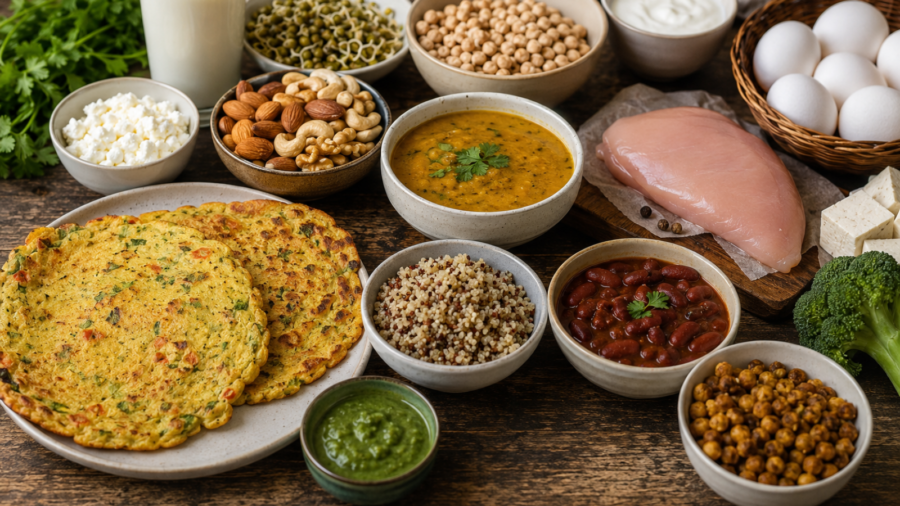
Protein has become the nutrient everyone seems to be paying attention to. From adding eggs to breakfast and dal to lunch to reaching for a protein shake after a workout, it can be easy to end up eating considerably more protein than you’re used to.
But if your high-protein diet has also brought along an uncomfortable side effect—gas, bloating, or a constantly rumbling stomach—you may wonder whether the two are connected.
The answer is: they can be. Consuming very high amounts of protein may sometimes cause gas and bloating, particularly when you increase your intake suddenly.
Story continues below this ad
Speaking to indianexpress.com Dr Shankar Zanwar, senior consultant gastroenterologist, Gleneagles Hospital, Mumbai, explains how the digestive system may need time to adjust to a higher protein intake.
Why does protein sometimes make you gassy?
Stressing that protein itself may not necessarily be the problem, Dr Zanwar explains that some protein-rich foods contain compounds that are fermented by gut bacteria, which can produce gas during digestion.
A sudden increase in protein can also alter the balance of your overall diet and affect gut fermentation. “Eating large portions quickly may make bloating worse, while constipation can make gas-related discomfort feel even more noticeable,” he says.
Story continues below this ad
So, if you suddenly go from a relatively low-protein diet to eating protein at every meal, your gut may take some time to adjust.
Are some protein sources more likely to cause gas?
 Persistent bloating accompanied by abdominal pain, diarrhoea, constipation, or blood in the stool should be evaluated by a doctor
Yes. The source of your protein can make a difference.
“Beans, lentils, and certain dairy products can cause gas in people who have difficulty digesting lactose or certain fermentable carbohydrates,” Dr Zanwar explains.
Processed protein products may be another potential culprit, he adds. They can contain additional ingredients that some people do not tolerate well.
“Choosing sources based on individual tolerance can help.”
Story continues below this ad
This means you do not necessarily have to cut out protein if a particular food leaves you bloated. Instead, it may be worth paying attention to which sources trigger your symptoms and adjusting your choices accordingly.
What about protein powder?
If your protein shake is followed by an impressive amount of burping, bloating or gas, the powder could be contributing — but that does not mean protein powder inherently causes more gas than regular food.
Some people simply tolerate protein powders less well than whole-food sources.
“Whey or milk-based powders may cause symptoms in people with lactose intolerance, while sweeteners, sugar alcohols or added fibres can also contribute to bloating. Trying a different formulation may help identify the trigger.”
Story continues below this ad
So if your stomach starts protesting after your daily shake, check the ingredient list rather than automatically blaming protein itself. Trying a different formulation may help you identify what is actually triggering the symptoms.
When should you worry about gas after eating protein?
Occasional gas, particularly after making a significant dietary change, is usually not a reason to panic.
However, persistent or severe bloating should not simply be dismissed as a side effect of eating protein, especially if it comes with other symptoms.
According to Dr Zanwar, gas and bloating accompanied by abdominal pain, diarrhoea, constipation, vomiting, unexplained weight loss or blood in the stool should be evaluated by a doctor.
Story continues below this ad
Recurrent symptoms may sometimes point towards a food intolerance or another digestive condition.
So, if your high-protein diet has made you a little gassier, you may not need to abandon protein altogether. Look at the bigger picture — how quickly you increased your intake, which protein sources you are eating, what is in your protein powder, and whether constipation or another digestive issue could be contributing.
In other words, more protein is not automatically better if your gut is struggling to keep up.

TQWL on your train ticket: What it means, confirmation chances and boarding rules
By Sohail Khan · 29 Sep