World Tourism Day 2026: Technology, Sustainability And The New Face Of Indian Tourism
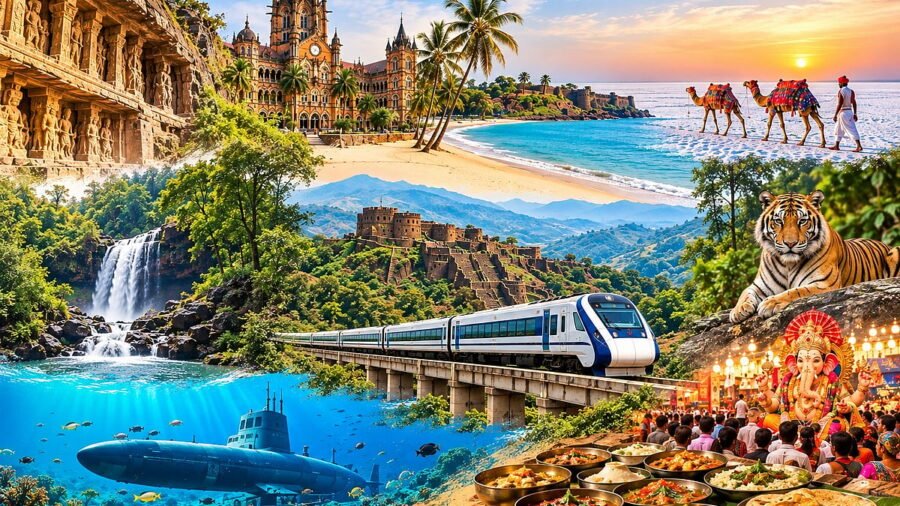
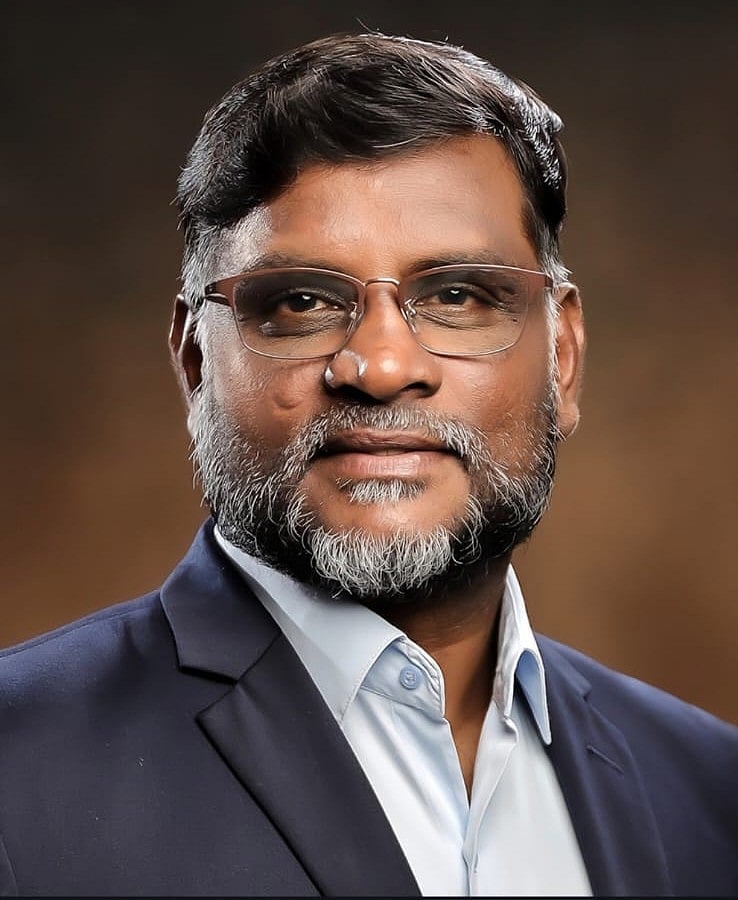
On World Tourism Day, Mohamed Farouk, Deputy Director General and Regional Director (West & Central India), Ministry of Tourism, Government of India, speaks about technology, responsible tourism, connectivity, local communities and the push to put lesser-known destinations on the tourism map
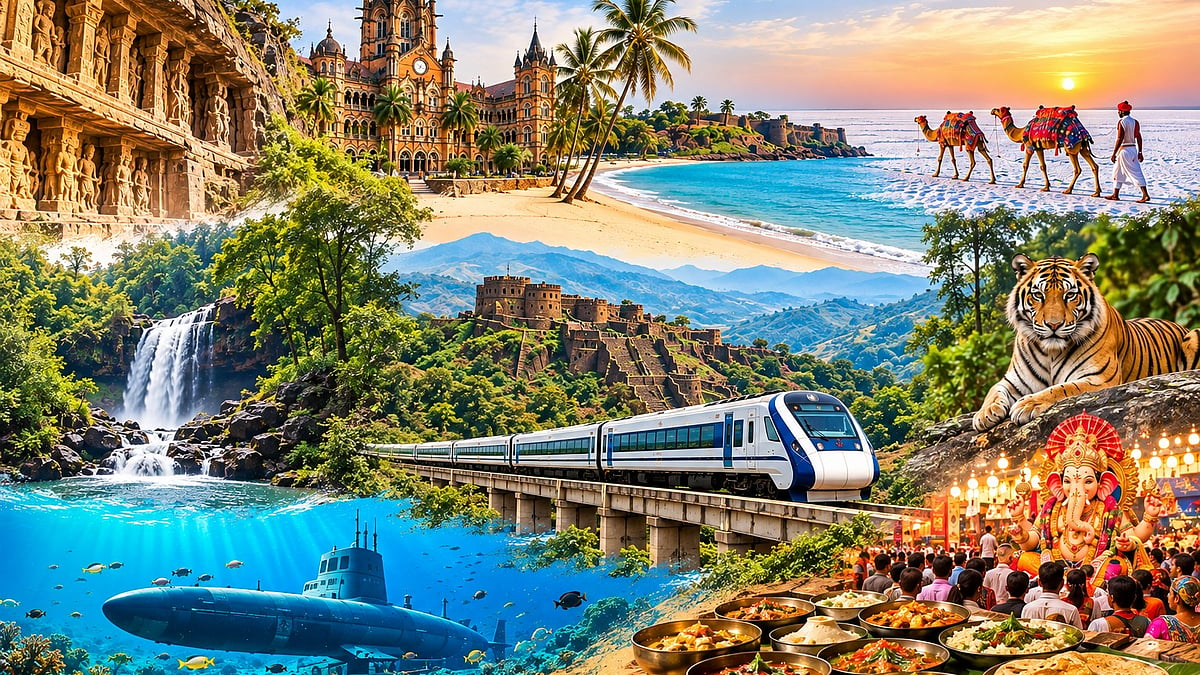
Tourism in Western and Central India is moving beyond familiar destinations and conventional sightseeing. From underwater tourism in Maharashtra and eco-tourism in Gujarat to heritage, wildlife and cultural experiences across the region, the focus is increasingly on creating diverse, sustainable and immersive journeys. Mohamed Farouk, Deputy Director General and Regional Director (West & Central India), Ministry of Tourism, Government of India, speaks about technology, responsible tourism, connectivity, local communities and the push to put lesser-known destinations on the tourism map.
Excerpts from the interview:
World Tourism Day highlights themes like Digital Transformation & AI and Sustainable Development. How is India Tourism (Western Region) leveraging these global priorities to enhance visitor experiences across Maharashtra, Gujarat, Goa, Madhya Pradesh, and Chhattisgarh?
World Tourism Day is an opportunity not only to celebrate tourism, but also to reflect on its contribution to sustainable development, employment, cultural exchange and local economic growth.
`;
The Ministry of Tourism is increasingly integrating technology, digital platforms and sustainability into the tourism ecosystem. In the Western and Central Region, comprising Maharashtra, Gujarat, Goa, Madhya Pradesh and Chhattisgarh, our approach is to use technology not merely for promotion, but to improve the overall visitor experience.
Digital storytelling, social-media outreach, virtual and immersive experiences, online information services and data-driven destination promotion are becoming important components of our tourism promotion strategy.
At the same time, the Ministry’s ‘Travel for LiFE’ initiative promotes responsible behaviour among tourists and tourism businesses, with sustainability certification available through the NIDHI+ platform.
For destinations, the emphasis is therefore on a combination of digital discoverability, immersive visitor experiences, better destination management and sustainable tourism practices.
This World Tourism Day, looking back at the past year, what stand out as the biggest achievements for the Western Region in post-pandemic tourism recovery and growth.
The last year has been significant in terms of moving from a recovery-oriented approach towards destination-led and experience-led tourism development.
One important development has been the implementation of Swadesh Darshan 2.0 and Challenge-Based Destination Development, which focus on the integrated development of destinations rather than isolated tourism infrastructure. The Ministry’s approach now encompasses infrastructure, visitor experience, sustainability, skills, destination management and local community participation.
In our region, this is reflected in projects such as INS Guldar underwater museum and submarine tourism in Sindhudurg and Ram-Kal Path in Nashik in Maharashtra; Orchha and MICE infrastructure in Madhya Pradesh; ecotourism initiatives in Gujarat; destination development in Goa; and eco-tourism and cultural projects in Chhattisgarh.
The larger achievement, therefore, is the diversification of the tourism product—from conventional sightseeing towards heritage, culture, adventure, wildlife, wellness, MICE, coastal and experiential tourism.
While coastal Goa and Mumbai remain top attractions, how is the ministry actively promoting offbeat and rural destinations in Western and Central India (such as eco-tourism circuits, UNESCO heritage hinterlands, or tribal tourism)?
This is one of our major priorities. The objective is not merely to increase tourist numbers at established destinations, but to distribute tourism geographically and economically and bring lesser-known destinations into the tourism mainstream.
Under Swadesh Darshan 2.0 destinations such as Shivsrushti Historical Theme Park in Maharashtra; spiritual experiences at Chitrakoot in Madhya Pradesh; Kawardha in Chhattisgarh; Porvorim and Colva in Goa and under Challenge Based Destination Development (CBDD) scheme Mayali Bagicha in Chhattisgarh have been brought within the destination-development framework.
The emerging projects also reflect this diversification— underwater and submarine tourism in Maharashtra under Special Assistance to States for Capital Investments (SASCI) scheme, eco-tourism at Kerly/Mokarsagar in Gujarat under Special Assistance to States for Capital Investments (SASCI) scheme, Mayali Bagicha in Chhattisgarh under Challenge Based Destination Development (CBDD) scheme, Harvalem Waterfall in Goa under Challenge Based Destination Development (CBDD) scheme.
Our focus is increasingly on rural, tribal and community-based tourism, eco-tourism, heritage, adventure and nature-based experiences, so that tourism reaches new destinations and creates employment, entrepreneurship and livelihood opportunities for local communities.
The Western and Central region spans distinct cultural landscapes—from the white sands of Kutch to the heritage caves of Ajanta & Ellora and the tiger reserves of Madhya Pradesh. How does your office collaborate with individual state tourism boards to create unified, multi-state travel itineraries for foreign and domestic tourists?
The Western and Central Region has a unique advantage because the five States offer very different tourism experiences within a relatively accessible geographical area.
Our role at India Tourism is to work closely with the respective State Tourism Departments, tourism boards, local administrations and industry stakeholders to connect these individual experiences into larger tourism circuits and itineraries.
For example, an international visitor could experience Mumbai’s urban and cultural heritage, Goa’s coastal and lifestyle tourism, Gujarat’s heritage and desert landscapes, Madhya Pradesh’s wildlife and heritage, and Maharashtra’s Ajanta-Ellora and Buddhist heritage within an extended itinerary.
The Ministry’s destination-development approach under Swadesh Darshan 2.0 supports this integrated thinking. The emphasis is no longer only on creating individual tourist attractions, but on improving connectivity, visitor facilities, destination management and the overall tourism experience.
How are infrastructure projects, like coastal highway developments, improved rail routes (such as Vande Bharat express trains), and regional airport connections under scheme initiatives, boosting regional tourism influx?
Connectivity is fundamental to tourism. Better highways, rail connectivity, airports and regional connectivity reduce travel time and make emerging destinations commercially viable.
The Ministry of Tourism itself does not construct highways or railway lines; these are primarily undertaken by the concerned infrastructure ministries and agencies. However, tourism directly benefits from such investments because improved accessibility expands the catchment area of destinations.
Similarly, expansion of air connectivity and improved rail services, including faster train services, can facilitate short-duration tourism, weekend tourism and multi-destination travel.
Our objective is to ensure that tourism infrastructure and connectivity converge with destination development, particularly for emerging destinations.
How is the ministry ensuring that high tourist volumes—especially in popular coastal and hill stations—do not overwhelm local ecosystems and communities? What responsible tourism practices are being encouraged?
The principle we are promoting is that tourism should create economic opportunity without compromising the environmental and cultural assets that attract visitors in the first place.
The Ministry’s Travel for LiFE programme is specifically designed to mainstream sustainability into tourism. It encourages tourists and tourism businesses to adopt environmentally responsible practices, while the NIDHI+ platform provides a mechanism for sustainability certification of accommodation units, tourism service providers and destinations.
In the Western and Central Region, this is particularly relevant to coastal Goa, Daman & Diu and Maharashtra, the fragile ecosystems of Gujarat’s coastal and desert areas, and wildlife destinations in Madhya Pradesh and Chhattisgarh.
We are encouraging practices such as waste reduction, water conservation, responsible use of natural resources, sustainable mobility, local sourcing, protection of biodiversity and respect for local culture and communities.
The message is simple, the tourist should leave with memories, not a footprint that damages the destination.
Western India is rich in vibrant festivals (like Ganesh Chaturthi, Rann Utsav, and Shigmotsav) and deep culinary history. What target marketing strategies are underway to showcase these cultural experiences to international travellers?
Festivals and food are among India’s strongest tourism assets because they provide visitors an opportunity not merely to see India, but to experience India.
The Western and Central Region offers an extraordinary calendar—from Ganesh Chaturthi in Maharashtra, Rann Utsav in Gujarat and Shigmo in Goa to the rich tribal and cultural festivals of Madhya Pradesh and Chhattisgarh.
Our culinary diversity is equally remarkable. In India, the food menu can change every few kilometres as we move from one district to another, with each region having its own distinctive ingredients, cooking traditions, flavours and culinary heritage. The diversity is so wide that local cuisine itself can become a tourism experience and a reason to travel.
Our marketing approach is therefore increasingly experience-led and digital. We promote not just a destination, but its stories, festivals, cuisine, crafts, people and unique experiences through digital campaigns, tourism fairs, trade engagement, familiarisation programmes and partnerships with the travel industry.
The objective is to take these authentic regional experiences to both domestic and international travellers, while creating greater opportunities for local communities and tourism entrepreneurs.
Tourism is a key driver of employment. How is India Tourism working with local institutes (like IHMs and skill centres) to empower local youth and guide sustainable entrepreneurship in regional tourism?
Tourism is fundamentally a people-oriented sector, and therefore skills and local human resources are central to sustainable tourism development.
India Tourism offices work closely with State Governments, IHMs, tourism institutions, guides, industry associations and other stakeholders for capacity building and skill development.
In the Western and Central Region, institutions such as IHM Mumbai, IHM Ahmedabad, IHM Goa and IHM Bhopal, along with NIWS Goa, are important partners in developing professional capabilities. Training programmes for guides, hospitality personnel and other tourism stakeholders help improve the quality of visitor services.
We are also encouraging greater participation of young people through Yuva Tourism Clubs, guide training, experiential tourism and entrepreneurship opportunities.
Ultimately, if tourism grows but local youth do not benefit from that growth, we have not achieved the full objective of tourism development. Our aim is therefore to ensure that tourism creates skills, employment, entrepreneurship and sustainable livelihoods for local communities.
If you had to pitch one overarching vision or message for Western India Tourism to travellers and industry stakeholders on this World Tourism Day, what would it be?
My message on World Tourism Day would be: “Western and Central India has something for everyone. Come, discover the diversity, experience the richness and take back memories that last a lifetime.”
The tourism potential of Western and Central India is immense. Yet, many potential travellers are still not fully aware of the extraordinary diversity of experiences that this region offers.
Our thrust should therefore be to take this diversity to a much wider domestic and international audience and position the region not merely as a collection of destinations, but as a seamless and diverse tourism experience.
We need to tell the stories of our destinations better, leverage digital platforms and strengthen partnerships with the tourism industry so that travellers discover the many experiences that lie beyond the well-known destinations.
At the same time, tourism growth must remain sustainable, responsible and inclusive, ensuring that local communities become active participants and beneficiaries of tourism.

Add As a
Trusted Source 

ECI eases SIR notice process after Maharashtra CEO’s request
By Sohail Khan · 27 Sep
20-year-old man develops affordable wastewater treatment solution, gets UNDP recognition
By Sohail Khan · 27 Sep

Leave a Reply