Why stepping into a Mumbai public toilet can be deadly
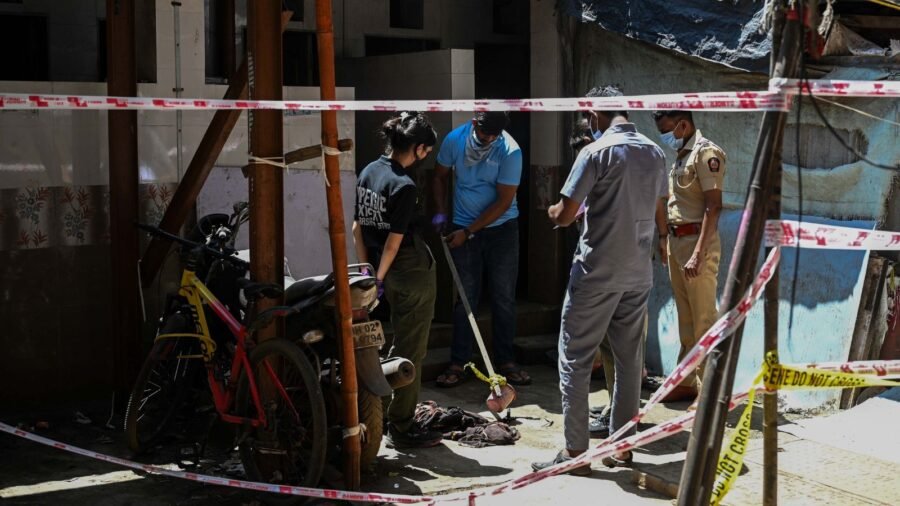
On Sunday, two people lost their lives after inhaling chemical fumes in a public toilet in Mumbai’s Jogeshwari area. According to preliminary reports shared by the Brihanmumbai Municipal Corporation (BMC) and Maharashtra Pollution Control Board (MPCB), the fumes were emitted after harmful chemicals were allegedly discharged into the toilet by a nearby factory.
While in this instance the deaths were caused by fumes from a nearby unit, public toilets in Mumbai have long remained a cause for concern over the risk of inhaling toxic fumes due to sanitation gaps, poor ventilation and lack of maintenance.
Civic records show that in the past four years, six people have lost their lives after inhaling chemical fumes or toxic gases from public toilets. In March 2022, three labourers died after inhaling toxic fumes when they entered a public toilet in Kandivali to clean it. Similarly, in March 2024, three more labourers died after inhaling toxic fumes when they entered a public toilet in Malad to clean it.
Story continues below.
Subscribe to see fewer ads.
Mumbai’s toilets a cause for concern
According to BMC records, there are 846 public toilets in the city, with the average footfall at each toilet standing at 10,000 users per day.
Officials said almost all these toilets were constructed as community toilets during the 19th and 20th centuries.
However, the concern is not simply that the toilets are old or poorly maintained. The larger issue is that the entire chain of sanitation — toilet management, septic-tank design, desludging, contracting, mechanisation and worker safety — has gaps.
These toilets are confined spaces that are often poorly ventilated. Speaking to , civic officials said the decomposition of biological waste produces gases including hydrogen sulphide and methane, while oxygen levels can also be depleted. An official said a person entering the toilet premises and staying there for longer periods could collapse due to the accumulation of gases and fumes.
Story continues below this ad
“The lack of daily maintenance intensifies the formation of gas particles inside the toilet and makes the atmosphere more toxic,” the official said.
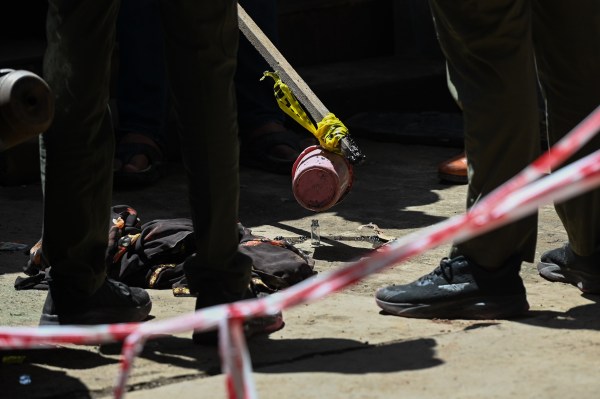 Forensic personnel collect chemical samples from the spot of the incident where two men died allegedly due to their exposure to chemical gas in Mumbai’s Goregaon East.
Another concern is the lack of accountability. While these toilets are constructed by the civic body, their maintenance is entrusted to community-based organisations (CBOs) or NGOs. These bodies do not receive funds from the BMC and instead generate nominal revenue from local communities to maintain the toilets. In most cases, the funds are inadequate for proper maintenance.
The toilet where Sunday’s incident took place was also maintained by a CBO.
“Since the caretakers do not have logistical support, they face constraints, due to which these toilets are not maintained well, posing a threat to users and people living nearby,” the official added.
Story continues below this ad
In the latest incident, it was revealed that workers of a local factory were disposing of chemical waste within the premises of the toilet. This led to the emission of fumes from inside the structure.
“According to the state pollution control rules, chemical waste can only be dumped within industrial zones. It is possible that the waste was being dumped almost every day and, due to the recurring dumping of chemical waste, the atmosphere inside the toilet became severely toxic,” an MPCB official told .
What’s next?
Civic officials said the BMC is set to implement a policy that will impose user fees on public toilets. The BMC also said several public toilets have been taken up for redevelopment in the western and eastern suburbs.
“The main concern behind the poor maintenance of these toilets is the lack of resources. Therefore, once the user fee proposal is approved, each public toilet can generate revenue of Rs 1 lakh, Rs 3 lakh per month through user fees. This money could be utilised for proper maintenance,” a civic official said.
Story continues below this ad
The proposal, which is in the final stages, has been sent to civic chief Ashwini Bhide for final approval.
Pune: 16 Years After Hinjawadi Woman Was Strangled To Death, Accused Gets Life Imprisonment
By Sohail Khan · 28 Sep

Leave a Reply