What’s happening at Tata? RBI shuts exit route, IPO pressure mounts on Noel Tata
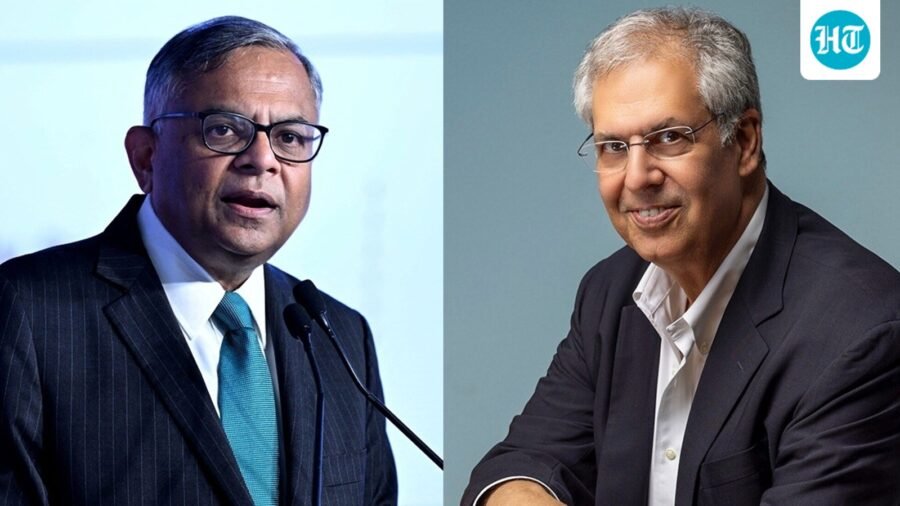
Tata Trusts controls about two-thirds of Tata Sons and has resisted the idea of a public listing. The regulator’s decision leaves the Trusts with fewer options.
Updated on: Sep 14, 2026, 12:27:02 IST
Prefer HTon Google
Share via
Copy link
The Reserve Bank of India’s decision to reject Tata Sons’ request to exit its non-banking financial company (NBFC) framework has brought India’s biggest business group closer to a mandatory IPO.
The decision makes a public listing of Tata Sons increasingly difficult to avoid. It also adds pressure to an already unsettled leadership structure at the $185-billion Tata Group, with Tata Trusts chairman Noel Tata and Tata Sons chairman N Chandrasekaran having differed over the listing issue. Here’s what is happening.
RBI's decision
The RBI has rejected Tata Sons’ application to surrender its registration as a non-banking financial company. Tata Sons filed the application in March 2024 after taking steps to strengthen its balance sheet, including repaying more than ₹21,000 crore of debt.
The company wanted to exit the NBFC framework and remain privately held. The RBI’s rejection means that route is now closed, according to Bloomberg.
The central bank said Tata Sons did not meet the required criteria for deregistration, news agency PTI reported.
Tata Sons is classified as an Upper Layer NBFC. Companies in this category face stricter regulation, including a requirement to list on the stock exchanges. So, the RBI decision effectively puts Tata Sons back on the path towards a public listing.
About Tata Sons
Tata Sons is the holding company at the centre of the Tata Group. It owns significant stakes in businesses across sectors including technology, automobiles, steel, aviation, hospitality, consumer products and financial services.
Its portfolio includes major Tata companies such as Tata Consultancy Services, Tata Motors, Tata Steel and Tata Power. Tata Trusts owns about 66% of Tata Sons, giving the philanthropic organisation control over the holding company.
A public listing could change how Tata Sons is governed and how much control the Trusts exercise over it.
Why the RBI wants Tata Sons to list
The issue goes back to the RBI’s framework for large and systemically important NBFCs. The central bank introduced a scale-based regulatory system after the collapse of a major Indian shadow lender in 2018 raised concerns about risks spreading through the financial system.
In 2022, the RBI classified Tata Sons as an Upper Layer NBFC. That classification came with a three-year deadline for a stock-market listing. Tata Sons’ original deadline was September 2025.
The company did not list by that deadline because it was seeking to surrender its NBFC registration instead. The RBI kept the deregistration application pending while continuing to classify Tata Sons under the Upper Layer framework.
This year, the regulator tightened the rules further. The revised framework made it harder for large holding companies to escape the Upper Layer classification.
Tata Sons’ large balance sheet leaves it well above the threshold under the revised rules. The company has assets above ₹1 lakh crore, the level at which an NBFC automatically falls into the Upper Layer under the revised framework, PTI reported.
Why Tata Sons want to stay private
Noel Tata has opposed the idea of listing because it could affect Tata Trusts’ control over Tata Sons and expose the group’s internal dealings to greater scrutiny, Bloomberg reported.
Tata Sons sits at the centre of the group and acts as the vehicle through which capital can move between Tata businesses. A public listing would bring regular disclosure requirements, greater regulatory oversight and scrutiny from outside shareholders.
It could also make investors look more closely at how Tata Sons allocates money between established businesses and newer ventures.
The Tata Group has invested heavily in areas such as semiconductors and Air India, while also operating large established businesses such as TCS, Tata Motors and Tata Steel.
A listed Tata Sons would then have to provide greater visibility into its financial decisions and investments.
Noel Tata faces a leadership challenge
Noel Tata became chairman of Tata Trusts in 2024 after the death of his half-brother, Ratan Tata. The RBI decision now represents one of the biggest tests of his leadership.
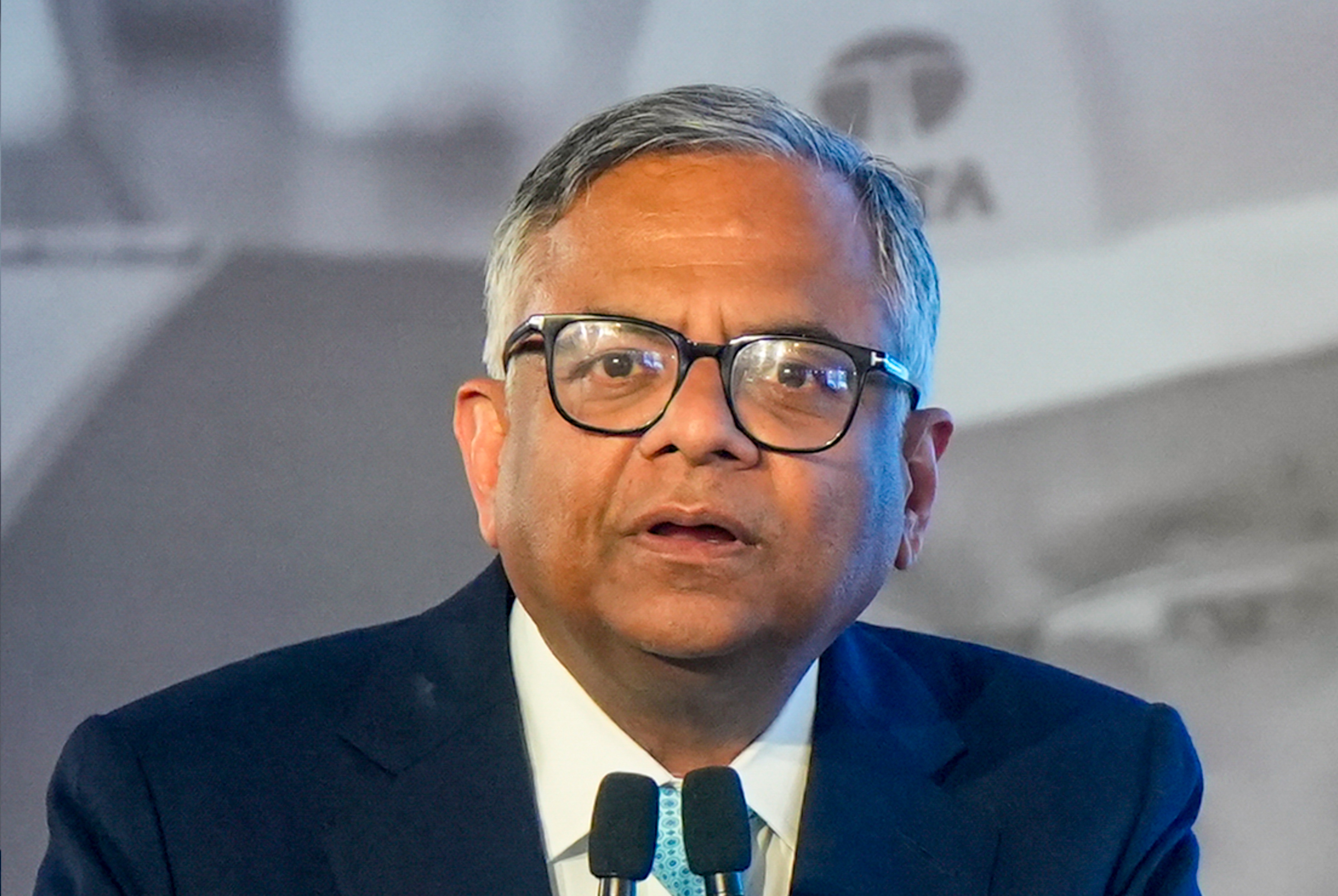
Tata Trusts controls about two-thirds of Tata Sons and has resisted the idea of a public listing. But the regulator’s decision leaves the Trusts with fewer options.
Noel Tata’s team is examining possible ways to respond to the RBI decision, Bloomberg says. One possibility is to reduce Tata Sons’ balance sheet enough to fall below the regulatory threshold.
Another option under discussion is restructuring Tata Sons, including potentially splitting it into two entities. These options could be discussed at the Tata Sons board meeting on September 17.
Where Chandrasekaran fits into this
The RBI decision has also complicated the future of N Chandrasekaran, who has led Tata Sons since 2017. Chandrasekaran recently said he would not seek another term after his current tenure ends in February 2027.
The listing dispute is understood to be one of the issues behind the tension between Chandrasekaran and Noel Tata.
Tata Sons directors could reportedly ask Chandrasekaran to reconsider his decision and remain in the post to provide stability while the group deals with the listing process.
The argument is that if Tata Sons now has to prepare for a major public offering, some board members may prefer continuity at the top rather than an immediate leadership change.
Chandrasekaran’s office had also started preparations for a possible IPO earlier this year, as per Bloomberg. A team of about 15 people was working on the preparations from May. If those preparations have progressed far enough, Chandrasekaran could argue that Tata Sons can be ready for a listing by February.
What changes if Tata Sons goes public?
A listed Tata Sons would be a major change for the Tata Group.
- More transparency – Tata Sons would have to make regular disclosures to public investors. Investors would get greater visibility into its finances, investments and capital allocation.
- More outside scrutiny – Public shareholders could question how Tata Sons uses its money and whether its investments generate adequate returns. That could make it harder to make long-term investments without facing pressure for near-term financial performance.
- Tata Trusts could face reduced control – Tata Trusts currently owns about 66% of Tata Sons. A public offering would bring outside shareholders into the ownership structure. That could dilute the Trusts’ control, depending on the structure and size of the issue.
- SP Group could unlock value – The listing could give SP Group a clearer market value for its stake and make it easier to sell shares over time.
- Greater regulatory oversight – Tata Sons would continue to face the stricter requirements that apply to Upper Layer NBFCs. The listing would change the way the holding company operates.
Tata Sons now has to decide how to respond to the RBI’s rejection. The board is expected to discuss the issue on Thursday.
See Less


Meta restricts access to viral AI video of Keralam CM dancing over power cuts
By Sohail Khan · 14 Sep
Leave a Reply