What are ECG, echo, lipid profile and calcium score? Cardiac surgeon explains heart tests on World Heart Day 2026
What are ECG, echo, lipid profile and calcium score? Cardiac surgeon explains heart tests on World Heart Day 2026Updated on: Sep 29, 2026, 14:00:18 IST
Prefer HTon Google
Share via
Copy link
Every heart diagnostic test serves a different purpose, and knowing that helps an individual better understand their health. Dr Bana explains four key tests.
When it comes to detecting issues with the heart, there are a number of different tests that help doctors with the diagnosis. Also Read | Did you know probiotics can improve cognition? Physician explains how and shares other brain boosters
Interacting with Lifestyle for World Heart Day, which is observed on September 29 every year, cardiac surgeon Dr Ajeet Bana shared that with the variety of assessments widely available, it can be difficult for patients to understand what each test actually tells us.
“There is no single test that provides a complete picture of heart health,” he noted. “Each investigation answers a different clinical question, and the choice depends on symptoms, age, family history and individual risk factors.” He went on to explain four of the more popular tests:
ECG: Understanding the heart’s electrical activity
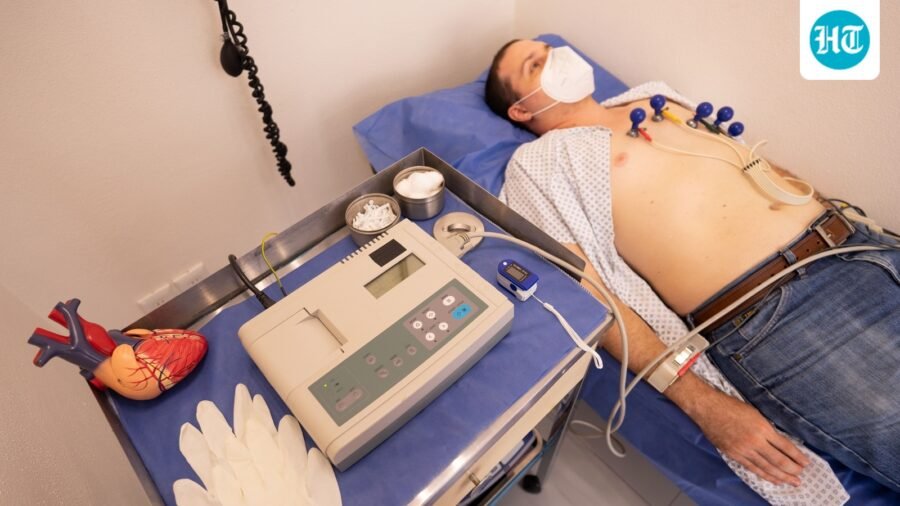
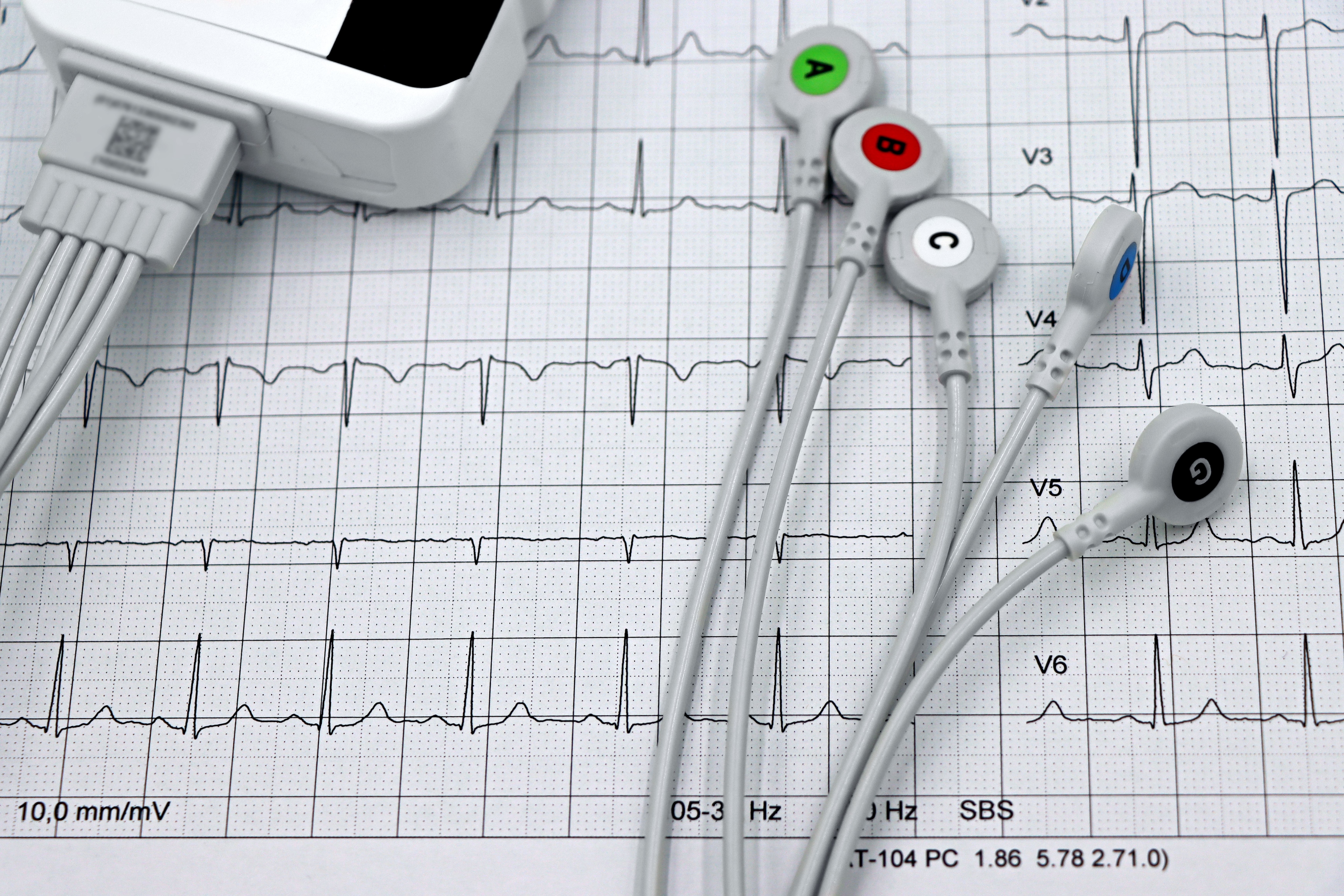
An electrocardiogram, or ECG, records the electrical signals that control the heartbeat. It is quick, painless and non-invasive, and can help identify abnormal heart rhythms and changes that may suggest reduced blood flow to the heart or a previous heart attack, shared Dr Bana.
“An ECG is commonly advised when a person experiences symptoms such as chest discomfort, palpitations, breathlessness, dizziness or unexplained fatigue. It may also form part of a cardiac evaluation before certain procedures,” noted the cardiac surgeon.
“An ECG reflects the heart’s electrical activity at a specific point in time, so the findings need to be interpreted alongside symptoms, medical history and clinical examination,” he added.
Echo: Assessing the heart’s structure and function
An echocardiogram, or echo, uses ultrasound to produce moving images of the heart. It allows us to assess the heart chambers, heart muscle, valves and pumping function.
As Dr Bana shared, “An echo is particularly useful when there is a suspected structural problem, valve condition or concern about how effectively the heart is pumping. It can also help investigate symptoms such as breathlessness.”
“A simple way to understand the distinction is that an ECG assesses electrical activity, while an Echo shows the heart’s structure and mechanical function,” stated the cardiac surgeon.
Lipid profile: Assessing cholesterol-related risk
A lipid profile is a blood test that measures LDL (low-density lipoprotein) cholesterol, HDL (high-density lipoprotein) cholesterol and triglycerides. LDL cholesterol is particularly important because persistently elevated levels can contribute to plaque formation in the arteries, cautioned Dr Bana.
However, the cardiac surgeon pointed out that cholesterol is one part of cardiovascular risk. Blood pressure, diabetes, smoking, weight, age and family history also influence an individual’s risk.
“For some patients, particularly those with a strong family history of premature heart disease, doctors may also recommend testing for lipoprotein(a), or Lp(a), an inherited factor associated with cardiovascular risk,” he stated.
Calcium score: Identifying calcified plaque
A coronary artery calcium score is obtained through a specialised CT scan and measures calcium deposits in the coronary arteries. Calcium is a marker of atherosclerotic plaque and can provide additional information about cardiovascular risk, explained the cardiac surgeon.
“The test may be considered for selected individuals when a clearer assessment of cardiovascular risk can help guide preventive decisions. It is not a routine screening test for everyone,” he highlighted.
“A score of zero can be reassuring in many individuals, although it needs to be interpreted in the context of age, symptoms and other risk factors,” noted Dr Bana. “The absence of detectable calcium does not completely exclude cardiovascular disease.”
Choosing the right test
Dr Bana stressed that these tests serve different purposes. To choose the right test for an individual, the starting point should always be an assessment of symptoms and overall cardiovascular risk. Based on this, a doctor can determine whether a test is needed and which investigation is appropriate.
“Heart health also depends on everyday factors,” he stated. “Managing blood pressure, cholesterol and blood sugar, avoiding tobacco, maintaining a healthy weight and staying physically active remain important for long-term cardiovascular health.”
Note to readers: This article is for informational purposes only and not a substitute for professional medical advice. Always seek the advice of your doctor with any questions about a medical condition.
Dr Ajeet Bana is the chairman of Cardiac Sciences at EHCC Hospital, Jaipur.
Catch every big hit, every wicket with Crick-it, a one stop destination for Live Scores, Match Stats, Quizzes, Polls & much more. Explore now!.
Catch your daily dose of Fashion, Taylor Swift, Health, Festivals, Travel, Relationship, Recipe and all the other Latest Lifestyle News on Website and APPs.
See Less




Leave a Reply