Wayanad monsoon crisis: rainfall deficit hits 37% amid El Niño impact
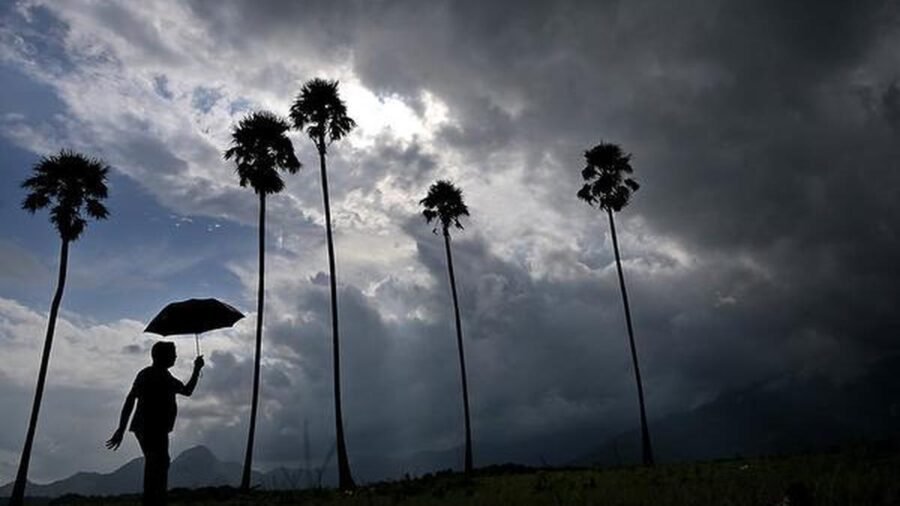
Global climate change and the lingering effects of the El Niño phenomenon have left the Wayanad district facing a severe rainfall deficit as the Southwest Monsoon completes three months. According to an analysis released by the Kalpetta-based Hume Centre for Ecology and Wildlife Biology, on Sunday (August 31, 2026), the district recorded an average of just 1,391 mm of rainfall between June 1 and August 31.
Data from the India Meteorological Department (IMD) indicates that Wayanad typically receives a seasonal average of 2,200 mm during this period, leaving current figures 37% below normal.
While August brought slightly improved showers compared to the sparse rainfall of June and July, it was insufficient to bridge the overall shortfall.
According to the Hume Centre lab analysis, stark geographic imbalances in precipitation were highlighted across the district. Kunjom (3,986 mm) and Mattilayam (3,435 mm) in Thondarnad grama panchayat recorded the highest precipitation, closely followed by Lakkidi in Vythiri grama panchayat with 3,730 mm.
Incidentally, eastern villages suffered severe shortfalls. Marakkadavu in Mullankolli grama panchayat registered just 383 mm, while Kallumukku in Noolpuzha grama panchayat recorded 404 mm. The lowest total was logged at Muthanga, which received a mere 316 mm.
Apart from the total volume, experts expressed concern over shifting precipitation dynamics. The region has seen a departure from traditional day-long light-to-moderate showers, experiencing instead intense, short-duration afternoon downpours. This high-intensity rain prevents effective soil infiltration, causing most of the water to run off the surface rather than replenishing groundwater reserves.
Dry spells and reduced cloud cover have also directly impacted local temperatures. Whilst increased rainfall in July brought average daily highs down to 26°C, drier conditions in June and August pushed maximum temperatures back up to 27.9°C and 27.3°C respectively.
With the monsoon entering its final stretch, the combination of a 37% water deficit, rising temperatures, and poor groundwater absorption threatens to trigger severe drinking water shortages and an agricultural crisis during the coming summer.
The writer Aleesha V Joseph is an intern with

Bihar government issues advisory against consuming fish washed in by Nepal floods
By Sohail Khan · 2 Sep
Tribal communities are guardians of nature and ancient wisdom, says Pawan Kalyan
By Sohail Khan · 2 Sep

Leave a Reply