‘Unnoticed or misunderstood’: Why India’s striped hyenas matter
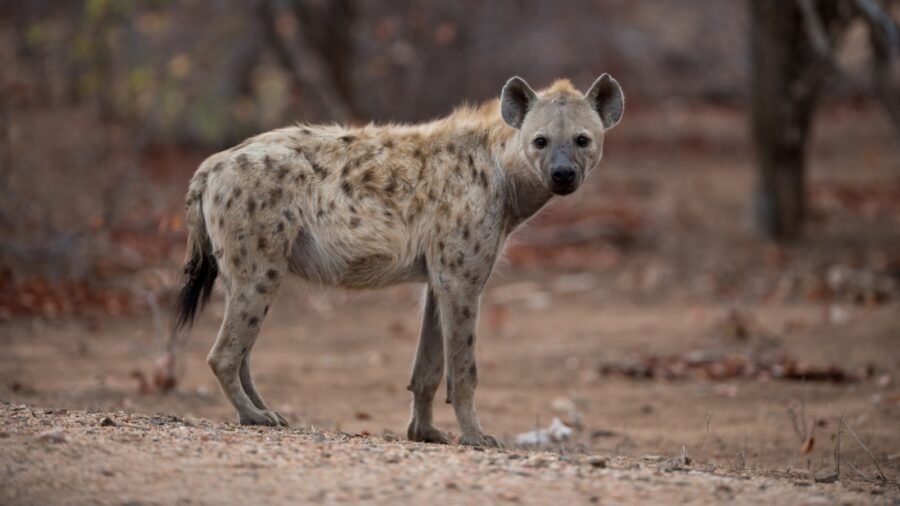
Often misunderstood and associated with fear in folklore, striped hyenas play an important yet often overlooked role in India’s ecosystems. As scavengers, they feed on animal remains that might otherwise decay, helping recycle nutrients back into the ecosystem.
Unlike the more widely recognised spotted hyena of Africa, the striped hyena (Hyaena hyaena) is found across parts of India, particularly in dry and semi-arid landscapes. A recent report by highlighted how these often-misunderstood scavengers help keep ecosystems clean. Expanding on their ecological role and the threats they face, wildlife photographer and conservationist Indrajit Ghorpade explains.
How do striped hyenas help keep ecosystems clean?
The striped hyena’s most important role is scavenging. It consumes carcasses and animal remains, helping remove dead organic matter from the landscape. Ghorpade points out that we should understand this role as part of the natural cycle.
Story continues below.
Subscribe to see fewer ads.
“Scavengers like hyenas, vultures, etc. play an important role in the cycle of life and death,” he says. Their scavenging also means they can make use of carcasses left behind by other predators.
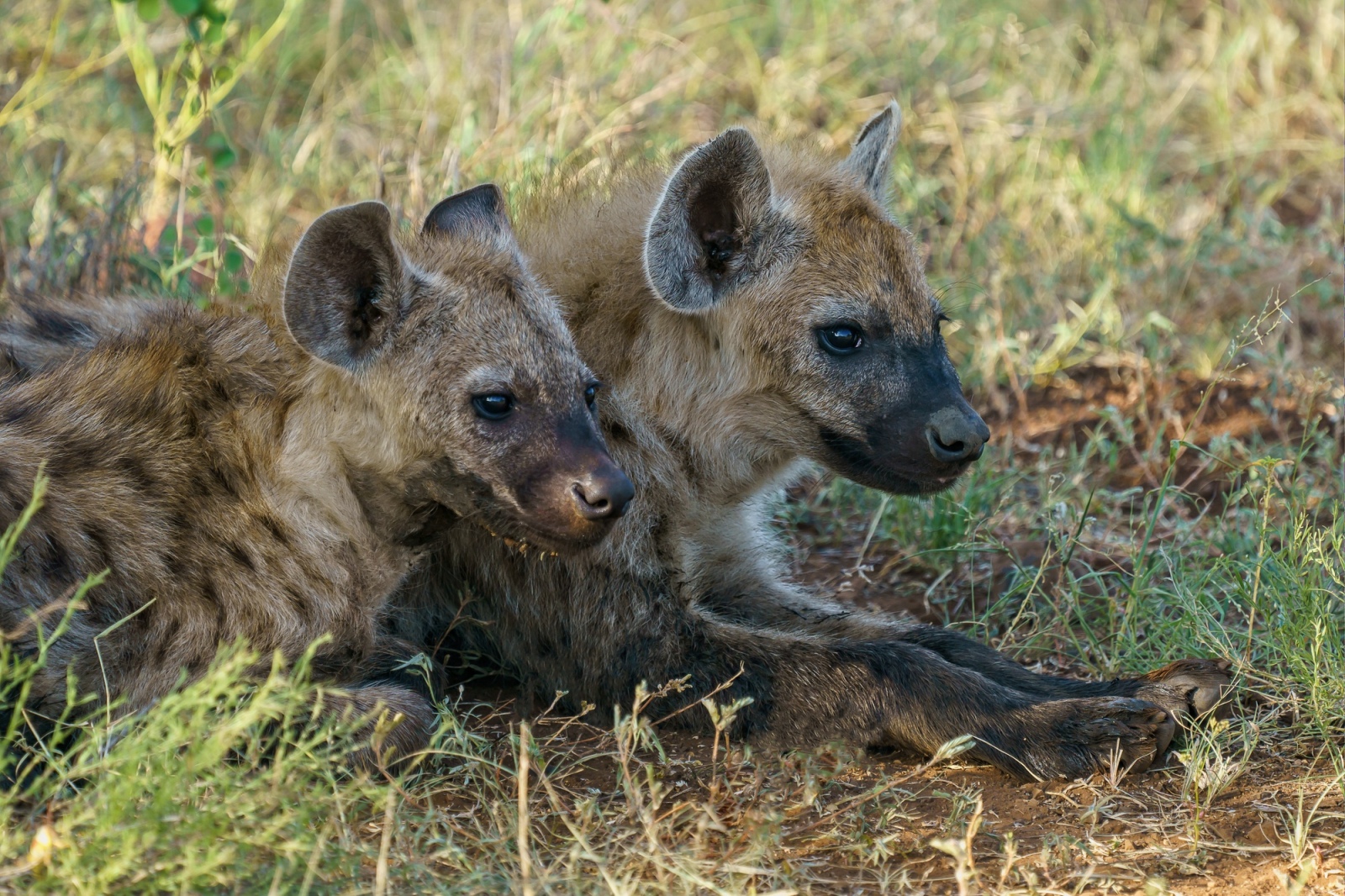 Hyenas
Why are their food sources shrinking?
The availability of carcasses is closely linked to the wider balance of an ecosystem. Changes in wild prey populations, livestock practices, and how animal remains are disposed of can all affect scavengers.
“There is a lack of carcasses due to predator-prey imbalance, and [they are] dependent on livestock dumped. Many times contaminated,” Ghorpade says.
He also points to another emerging issue: carcasses themselves can have economic value.
Story continues below this ad
“Nowadays even carcasses have value, so [scavengers are] deprived [of their] food source,” he says. This matters because removing animal remains from the landscape can reduce an important food source for scavenging species.
What threatens striped hyenas in India?
Like many wildlife species, striped hyenas face several pressures, particularly outside protected areas where they often share landscapes with people.
Ghorpade identifies three broad threats that commonly affect endangered and threatened wildlife:
1. Habitat loss
2. Illegal hunting
3. Persecution and ignorance
These are the main threats.
Story continues below this ad
For striped hyenas specifically, negative perceptions can compound these pressures. “Misconceptions from folklore and old customs need awareness,” Ghorpade says.
Why changing perceptions matters
Striped hyenas are largely nocturnal and can live in landscapes that are also used by people. Their presence may therefore go unnoticed—or be misunderstood.
But their scavenging behaviour is not simply about consuming dead animals. It is one part of a larger ecological process in which nutrients are returned to the environment, and organic matter is broken down.
Protecting the species, therefore, isn’t just about saving an individual carnivore. It also means protecting the habitats, food sources and ecological relationships that allow scavengers to perform their role.
Story continues below this ad
As Ghorpade puts it, the focus needs to extend beyond the animal itself: “Scavengers like hyenas, vultures, etc. play an important role in the cycle of life and death.”
Explore more captivating stories about pets and animals here, and make us your daily stop for the latest from the animal kingdom.


AI vocabulary is changing fast: Five phrases at the heart of the tech
By Sohail Khan · 14 Sep
The AI race has a bigger risk than extinction
By Sohail Khan · 14 Sep
Leave a Reply