Trump’s Greenland Deal Eases Way for U.S. Business on Arctic Island
The agreement doesn’t deliver the control he wanted, but it raises hopes of more investment and less local stigma around working with America.
Updated on: Sep 21, 2026, 14:13:41 IST
Prefer HTon Google
Share via
Copy link
The security deal over Greenland, announced by President Trump on Friday, relieves the pressure from months of American maneuvering to control the semiautonomous Danish territory and smooths the way for more U.S. investments on the cash-starved but resource-rich Arctic island.
American and Greenlandic businesspeople say they hope the agreement, which is expected to be signed this week, will ease geopolitical tension, drive investment and remove some of the stigma many Greenlanders attach to cooperating with the Americans.
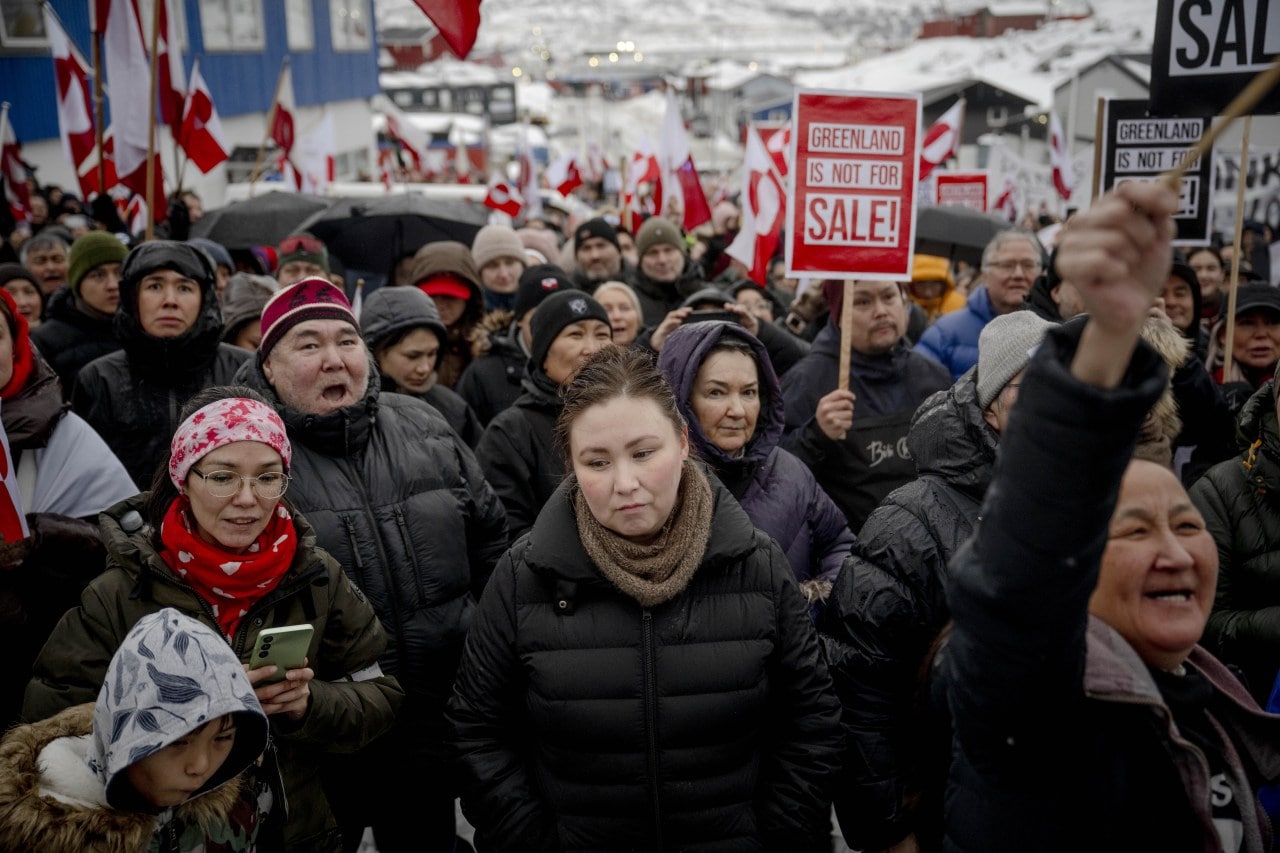
Trump’s initial interest in controlling Greenland, dating back to his first term in office, spurred new commercial attention to the island and its potential. But his threats to annex it by force made investors skittish, and Greenlanders wary of American intentions.
While the deal is unlikely to immediately open the floodgates to major investments in mining and oil drilling—sectors hampered by harsh Arctic conditions and structural obstacles—it will bring stability to other areas where U.S. businesses have shown interest. Many Greenlandic businesspeople say the U.S. is a natural partner given its geographical proximity.
“If the deal gets over the line, it will benefit all parties. We need to put behind us the insecurity that has plagued us, not only as individuals but in the business community, for nearly two years,” said Naaja Nathanielsen, lawmaker and former Greenlandic minister for business and mineral resources. “I have seen an increased American investment interest in recent years, and we want to build on that interest.”
The text of the deal has yet to be published, but U.S., Danish and Greenlandic officials suggest it will build on an existing 1951 treaty, amended in 2004, that already gives the U.S. the right to deploy troops and build bases on the Arctic island. As such, the new deal falls well short of Trump’s stated ambition of territorial control.
One addition to the new deal is that it will remain in effect in the event of Greenlandic independence from Denmark or a collapse of the North Atlantic Treaty Organization, U.S. and Danish officials said.
Trump’s threats to annex Greenland triggered the worst foreign-policy crisis in Denmark since World War II and incensed Washington’s European NATO allies. Trump earlier this year threatened to impose tariffs on allied countries that opposed his territorial designs on Greenland.
“This agreement removes a significant geopolitical uncertainty that has hung over Greenland in the last year,” said Larry Swets, chair of Greenland Energy, which plans to spend $60 million drilling for oil in the island’s east. “Greater clarity and stability make long-term investment more feasible, lower the perceived risk of committing capital, and should help unlock the private investment Greenland needs to develop its resources, infrastructure and economy.”
Trump’s annexation threats made Greenlanders and Danes deeply skeptical of U.S. investors, particularly those with ties to the administration.
Drew Horn, a former Trump official who says he is developing a rare-earth venture and a hydropowered AI data center in Greenland, was accused in Danish media of being part of a covert influence campaign.
Horn called the allegations “fantastical.” He said he worked behind the scenes to shape the coming deal, which he hoped would help attract U.S. investors to Greenlandic projects like his.
“With the public deal being announced, the boogeyman has been removed from the equation,” said Horn, who is also founder and CEO of GreenMet, a financial advisory firm. “People can see me for what I really am without these sorts of crazy accusations or aspersions.”
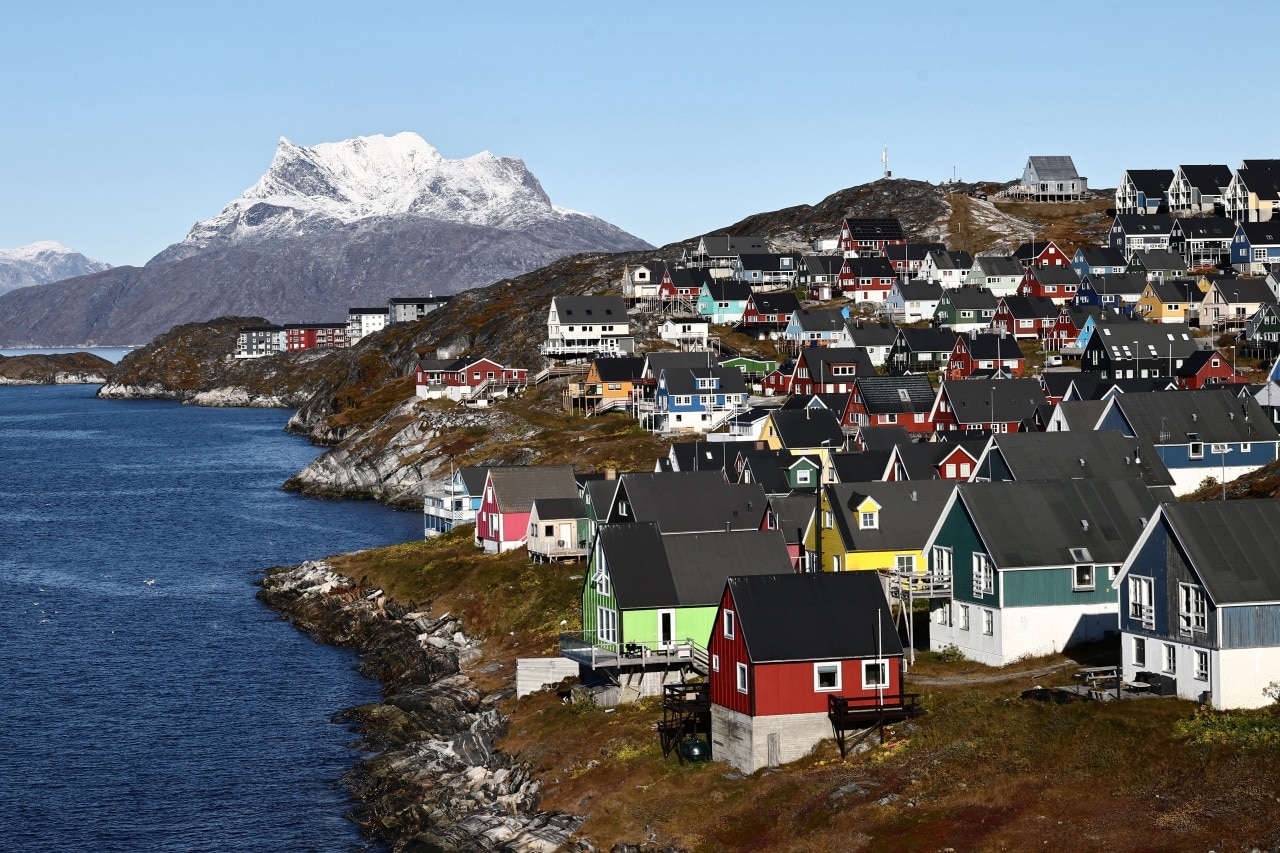
Polls show a majority of Greenlanders rank the stagnant economy among their main concerns. The economy of Greenland, population 56,000, is slow-growing and not diversified, and it relies on more than $1 billion of annual subsidies from Copenhagen and the European Union. Its main activities are fishing and a recent surge in investment to build new airports.
The world’s largest island has untapped mineral reserves buried deep beneath the ice, but they are difficult and expensive to get to. Obstacles to foreign capital include restrictions on ownership of infrastructure, energy facilities and real estate, as well as environmental and legal regulations.
Those hindrances remain, regardless of a new deal, said Christian Keldsen, managing director at the Greenland Business Association. But American companies and investors can build on existing interest, including tourism, which has grown significantly since the first Trump term. United Airlines in 2025 opened a seasonal direct route from Newark to Nuuk, in addition to thousands of Americans traveling to the island via Iceland.
From 2020, during Trump’s first term and the Biden administration, the U.S. pledged roughly $24 million across three tranches to development projects in Greenland, not all of which has been disbursed. Most of the allocated money went to pay American consultants, for example to conduct underground surveys or advise the Greenlandic government on tourism and minerals, Keldsen said.
During recent negotiations, Denmark, Greenland and the U.S. discussed building or reopening bases at three sites where the U.S. had facilities and troops during the Cold War. Such plans will likely bring economic opportunities to Greenlandic subcontractors in construction, catering, cleaning and other services, Keldsen said.
“I certainly expect that to benefit Greenlandic businesses, just like it does in other parts of the world where the Americans operate bases,” he said.
Write to Sune Engel Rasmussen at sune.rasmussen@wsj.com
See Less


Wave of Setbacks Leaves Trump Frustrated and Looking for Credit
By Sohail Khan · 21 Sep
A Grail Cancer Test for the FDA
By Sohail Khan · 21 Sep
Leave a Reply