The south’s muted voice as political power shifts north
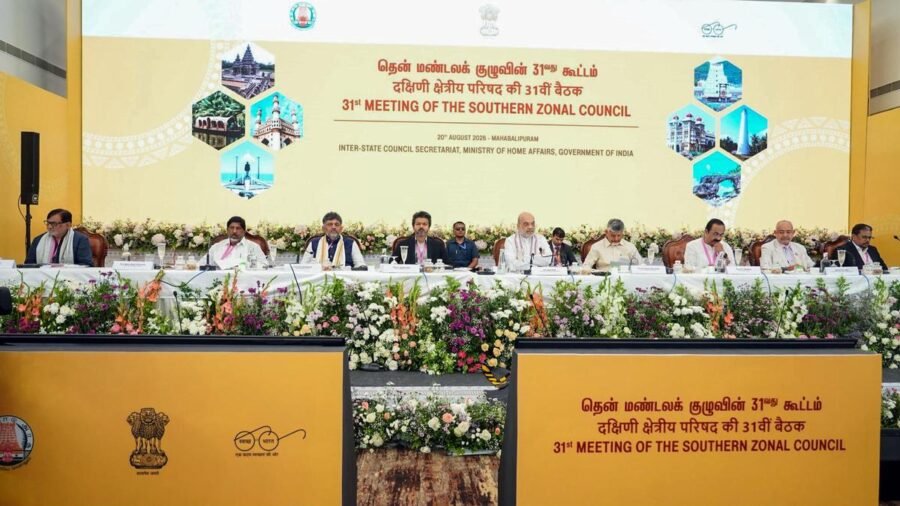
Even though the national movement was dominated by leaders from northern, western and eastern India, the voice of the southern region has never felt as stifled in national politics and policy as it feels today. True, Gandhi, Nehru, Netaji and Patel were the tallest of leaders. Neither C. Rajagopalachari of Madras, nor T. Prakasam of Andhra, nor indeed E.M.S. Namboodiripad (EMS) of (Kerala) Keralam had their kind of national presence. Nor are the various resistance movements and anti-British revolts of the south valorised across the country, especially in northern India. Yet, the presence of a galaxy of leaders from the south in its leadership ranks helped the original Indian National Congress to be seen as an all-inclusive umbrella party in which political voices from different parts of the country felt included.
Blame it on demographics or the penchant for a ‘national’ language, parliamentary politics seems to have contributed to the political domination of northern India over southern India. Both the Indian National Congress and the Jana Sangh, and its later avatar, the Bharatiya Janata Party (BJP), have been dominated by leadership from the north. In the nearly eight decades of India’s independent existence, only one Prime Minister from the south completed a full term in office. Other Prime Ministers from south India have been seen, at best, merely as placeholders. The domination of the so-called Nehru-Gandhi family in the Congress party, and the ideological dominance of Hindi and the political dominance of the Hindi heartland in the BJP, have cast a long shadow over southern political leadership.

Don’t buy a lab-grown diamond before checking these 7 things
By Sohail Khan · 29 Sep
Towards a gender just Uniform Civil Code
By Sohail Khan · 29 Sep
Essar eyes $18-billion US steel plant: Why Indian firms are investing in US amid tariffs
By Sohail Khan · 29 Sep