That Instagram workout looks easy, but is your body ready for it? Here’s what a physiotherapist wants you to know
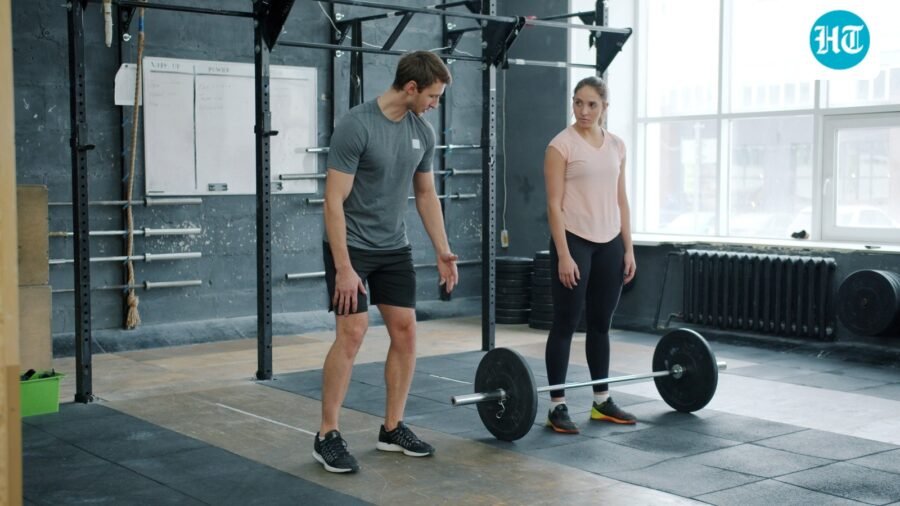
That Instagram workout looks easy, but is your body ready for it? Here’s what a physiotherapist wants you to knowPublished on: Sep 15, 2026, 15:12:23 IST
Prefer HTon Google
Share via
Copy link
Before trying a viral workout from Instagram, here’s everything you need to know about your body’s strength and mobility.
Scroll through social media feeds, and you will find countless people performing impressive workouts, from heavy squats to advanced Pilates movements, handstands to intense HIIT sessions and complicated mobility exercises. They look energetic, effortless and achievable. But there is one important question we often forget to ask: Is my body actually ready for this workout? In an interview with Lifestyle, Dr Ashish Agrawal, director of physiotherapy at CK Birla Hospitals, Jaipur, explains what your body needs before you try it.
Also read | Woman who lost 27 kg shares exactly what to eat before and after a workout for fat loss: ‘Aim for 15-25 g of protein…’
What you need to know before trying out social media workouts
The human body is remarkably adaptable, but it needs time to build strength, mobility, balance and endurance. Social media often shows the final performance, not the months or years of preparation behind it. According to Dr Ashish Agrawal, a workout that is appropriate for a trained athlete may be excessive for someone who is just starting, returning after a long break or recovering from an injury. Trying to copy it immediately can place unnecessary stress on muscles, joints, tendons and the spine.
“What begins as motivation can sometimes end in back pain, knee problems, shoulder injuries or persistent muscle soreness and most importantly, cardiovascular overload,” highlighted Dr Ashish Agrawal.
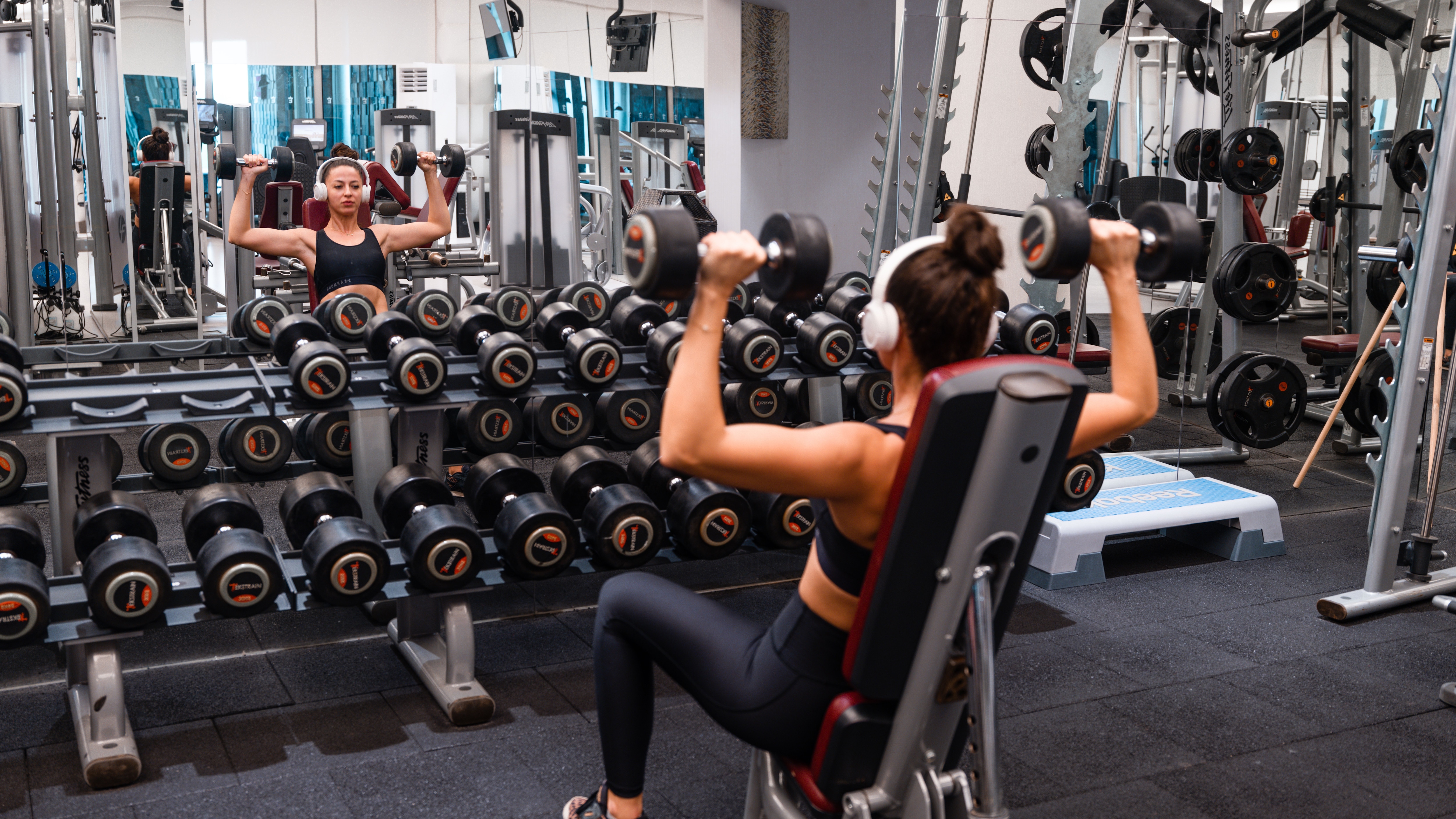
Another problem is that everyone's body is different. Age, previous injuries, posture, flexibility, muscle strength, sleep, stress and even daily activity levels influence how much exercise a person can safely handle. There is no universal “perfect workout.”
What should you do?
Dr Ashish Agrawal highlighted that a good exercise programme should progress gradually. Start with movements you can perform comfortably and correctly, then increase intensity, resistance or complexity as your body adapts. Quality of movement is often more important than the number of repetitions or the amount of weight.

This does not mean avoiding challenging exercise. It means earning the ability to perform it safely. “Social media can be an excellent source of inspiration, but it should not become a substitute for individual assessment,” said Dr Ashish Agrawal. If you have pain, an old injury or are returning to exercise after a long gap, guidance from a physiotherapist or qualified exercise professional can help you choose the right starting point.
Note to readers: This article is for informational purposes only and not a substitute for professional medical advice. Always seek the advice of your doctor with any questions about a medical condition.
Catch every big hit, every wicket with Crick-it, a one stop destination for Live Scores, Match Stats, Quizzes, Polls & much more. Explore now!.
Catch your daily dose of Fashion, Taylor Swift, Health, Festivals, Travel, Relationship, Recipe and all the other Latest Lifestyle News on Website and APPs.
See Less




Leave a Reply