Silk Smitha had a chair kept away from everyone else, recalls Urvashi: ‘She hardly spoke’
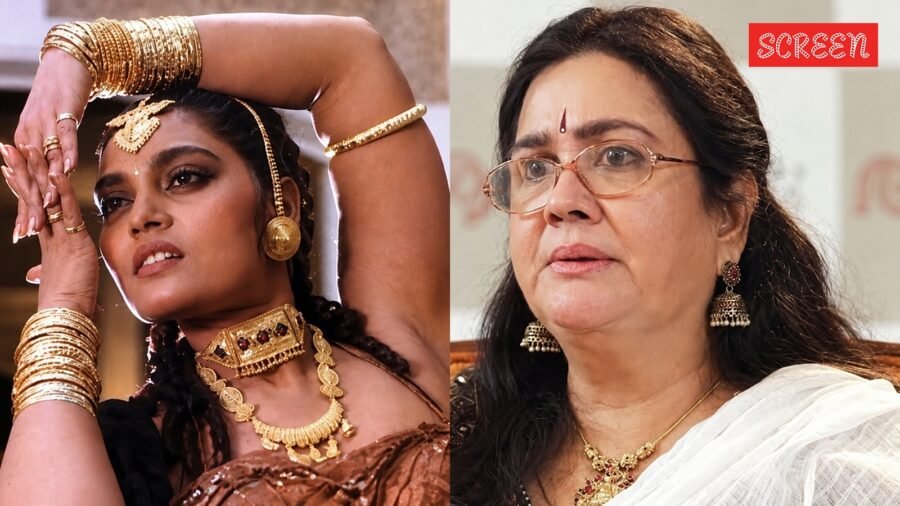
Judging women for their screen portrayals has been a constant in the Indian film industry. From the backlash Kiara Advani faces today for her bold scenes in Toxic to the criticism Silk Smitha endured during her career in Tamil cinema, the pattern remains familiar. The difference between then and now is that, earlier, there were specific actresses such as Silk Smitha who were largely hired for glamorous and bold scenes and were often looked down upon for doing them. Today, leading actresses themselves are taking up such scenes. The backlash, however, remains.
While people today have shorter attention spans, with social media and countless distractions quickly pushing controversies out of the news cycle, controversies in the past could remain alive for years. Unfortunately, Silk Smitha belonged to an era when she was often treated differently on film sets simply because of the kind of roles she played.
She was reportedly even isolated on sets. While chairs would be arranged for the hero and heroine to sit together, Silk Smitha would have a chair placed separately, at a distance from the others. Recently, her colleague Urvashi, who shared a strong bond with Smitha, recalled how the actress was treated differently because of her image.
Story continues below.
Subscribe to see fewer ads.
‘Actresses who did glamorous roles were treated differently’
Speaking to Club FM Kerala, Urvashi said, “She hardly spoke to anyone on set and would often sit alone, away from everyone else. At the time, actresses who did glamorous roles were treated differently. The heroes and heroines would sit together, but when actresses who did glamorous roles came on set, they were looked at differently. Their costumes were also more glamorous.”
By “glamorous”, Urvashi was referring to costumes that were more sexualised and revealing.
However, Urvashi, who has previously spoken about how Silk Smitha helped her and cared for her like an elder sister, also remembered the actress for her impeccable sense of style.
“According to me, Silk Smitha had the best costume sense. She had a great sense of colour and makeup. Back then, everyone wore heavy makeup. Many actresses who did glamorous roles would even apply glitter on their eyelids. But whatever Silk Smitha wore, it never looked vulgar. She could carry off any costume.”
Story continues below this ad
While audiences largely saw Silk Smitha as a sexualised figure on screen, there was much more to the actress. She had a keen interest in styling and designing costumes and even wanted to design clothes for Urvashi.
Urvashi recalled, “Silk Smitha was eager to design the costumes for at least one of my films. She told me, ‘If I design costumes for you, you will look good because you have a good physique. The costumes they give you are clothes you could wear on any ordinary day.’ I used to simply wear whatever clothes they gave me.”
Silk Smitha’s ability to add sensuality to even the most ordinary scene was also noted by film historian and writer Randor Guy. Speaking to the BBC, he said, “She looked as though she had no control over her body’s ability to ooze sexuality and did not shy away from the response she evoked in men.”
Story continues below this ad
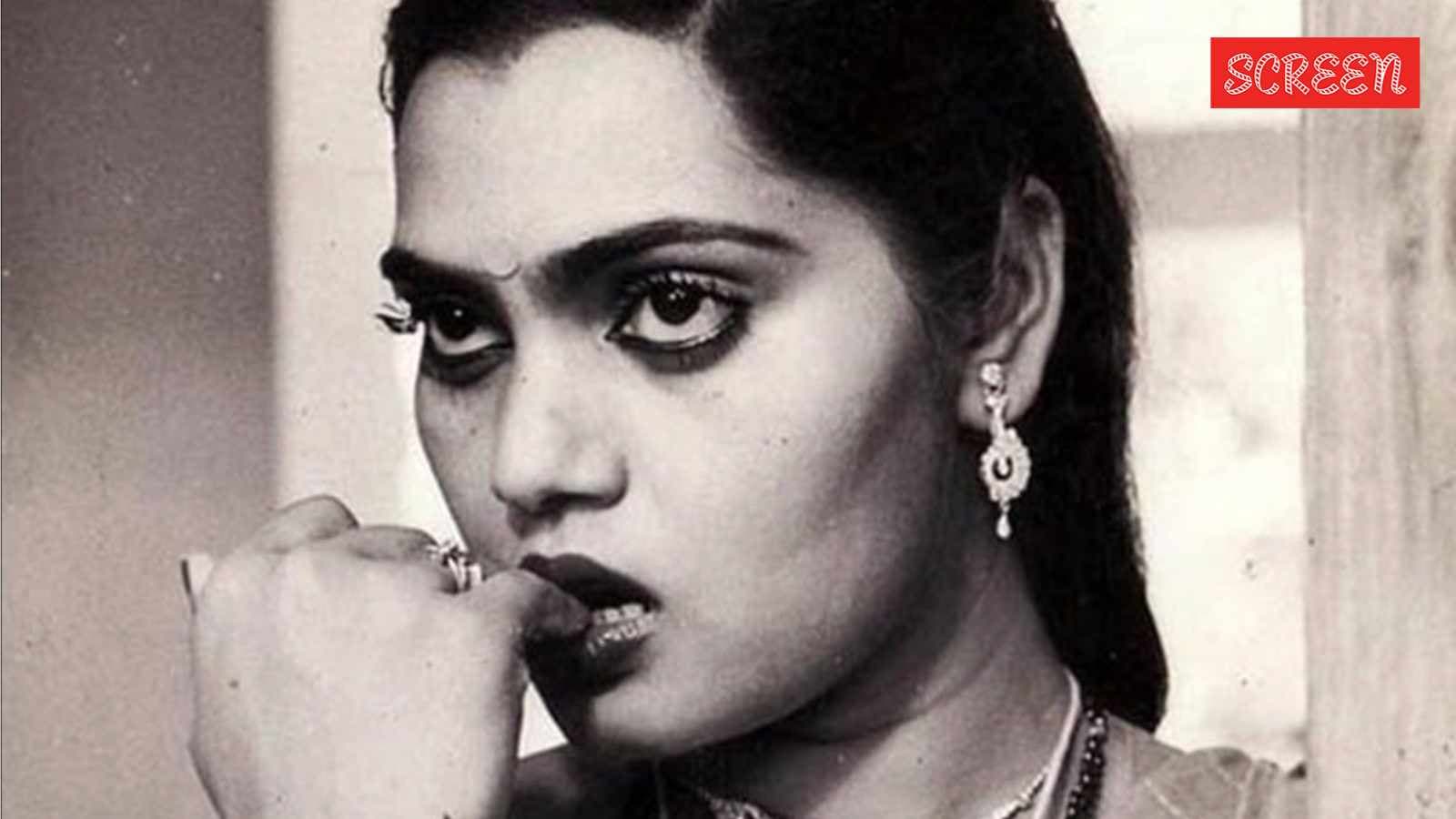 In her career spanning 18 years, Silk Smitha appeared in over 450 films.
Silk Smitha’s journey to becoming one of South Indian cinema’s biggest names was far from conventional. After her marriage ended, she travelled to Tamil Nadu, where she initially worked as a makeup assistant. She was later picked for small roles in Malayalam films before gradually making a name for herself. Soon, she became so popular that films began selling tickets on her name.
For nearly two decades, Smitha ruled the industry, appearing in more than 400 films across southern Indian languages as well as Hindi. Yet, despite her immense popularity, she was rarely offered substantial or major roles. She was often cast in glamorous song sequences, with her characters frequently placed against backdrops involving villains, shady men or their fantasies.
At the peak of her career in the 1980s, Silk Smitha reportedly commanded a fee of Rs 50,000 per day for appearing in a song sequence — a staggering amount at the time.
In 1996, Smitha died by suicide at her apartment in Chennai at the age of 35. While some reports attributed her death to financial difficulties, others pointed to failed relationships and personal isolation, painting a picture of an actress who had achieved enormous fame but remained deeply isolated away from the screen.