Scientists identify a new penguin species for the first time in more than 100 years
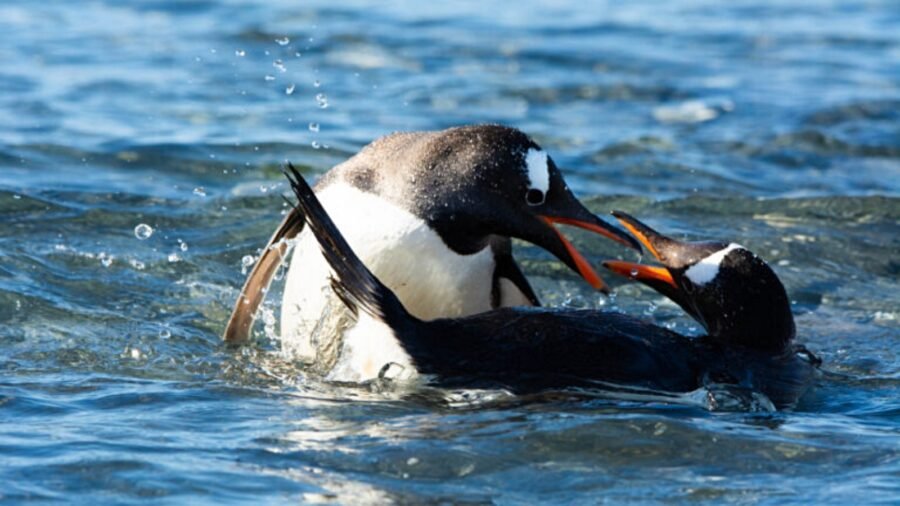
Penguins aren’t exactly difficult to recognise: black-and-white feathers, a waddling walk, and flippers instead of wings. But apparently, they are. Scientists have identified a new penguin species for the first time in more than 100 years, and the giveaway was not a dramatically different appearance. It was hidden in the bird’s DNA.
The newly described species, Pygoscelis kerguelensis, known as the southeastern gentoo penguin, lives on the remote Kerguelen Islands in the Indian Ocean, about 1,200 miles north of Antarctica. The islands are among the most isolated places on Earth.
For years, scientists classified gentoo penguins across different parts of the Southern Ocean as one species. A new genomic analysis, however, shows that what was considered a single species is actually four distinct species.
Story continues below.
Subscribe to see fewer ads.
The findings are published in Communications Biology in 2026 in a study titled “Genomic analysis reveals four species of gentoo penguins.”
An international team of penguin researchers led by scientists from the University of California, Berkeley, made the discovery in collaboration with researchers from several institutions in Chile.
One gentoo species turns out to be four
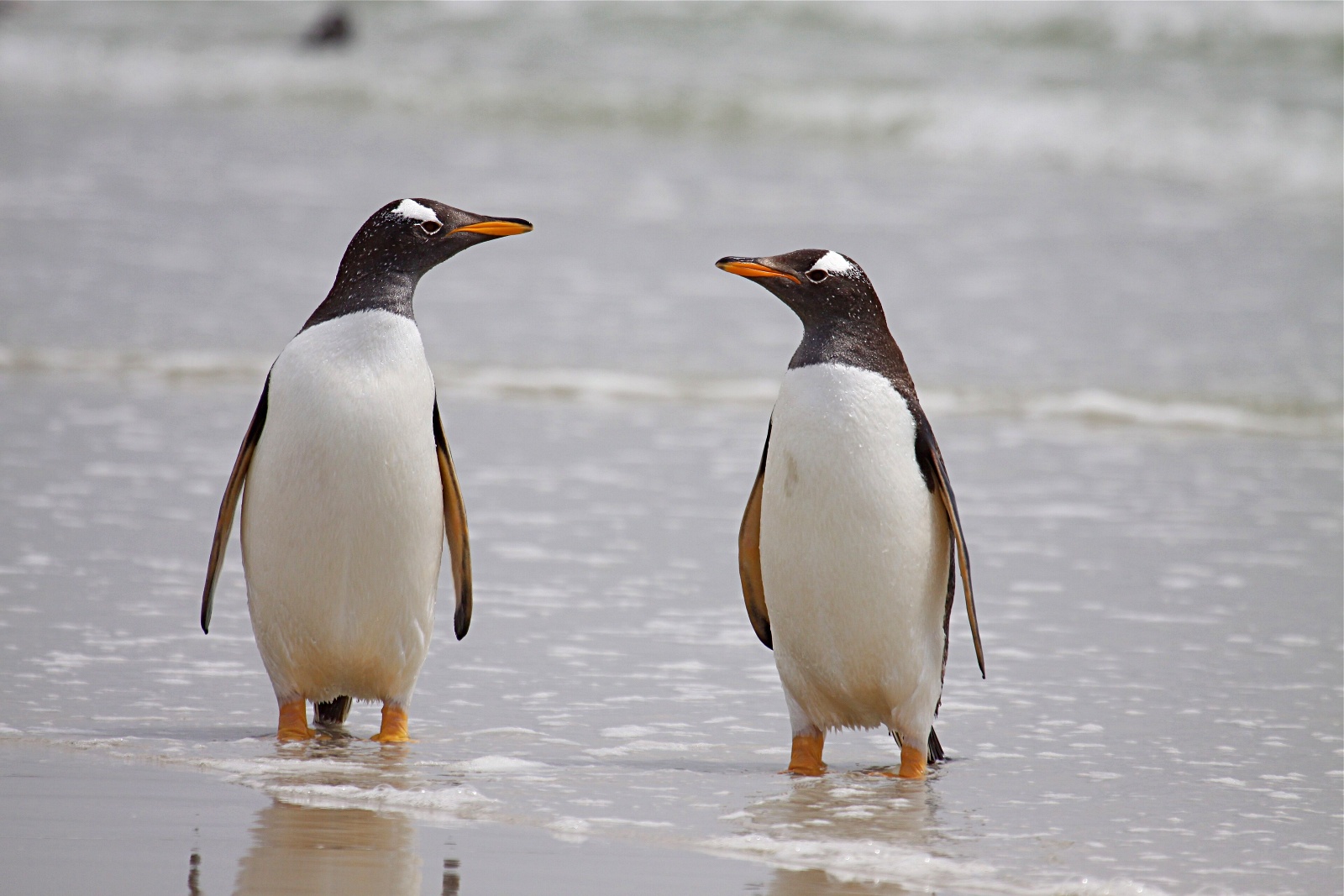 The southeastern gentoo is found on the Kerguelen Islands in the southern Indian Ocean, around 1,200 miles north of Antarctica (Wikimedia Commons)
Gentoo penguins are found across Antarctica and on remote islands in the Southern Ocean. Their classification has been debated for more than a century, partly because these populations can look remarkably similar.
To get a clearer picture, researchers used whole-genome sequences from 64 penguins across 10 breeding colonies, covering almost the entire geographical range of the gentoo penguin.
Story continues below this ad
The analysis revealed four distinct species: the northern gentoo, Pygoscelis papua; the southern gentoo, Pygoscelis ellsworthi; the eastern gentoo, Pygoscelis taeniata; and the newly described southeastern gentoo, Pygoscelis kerguelensis.
So, scientists did not suddenly find four unfamiliar penguins. Instead, they discovered that one species they had known for years was actually four separate species.
The southeastern gentoo is what scientists call a “cryptic species” — one that can look very similar to a closely related species while being genetically distinct. In this case, researchers found only subtle differences in size and vocalisations, while the genetic differences were much clearer.
The four species are estimated to have diverged roughly 300,000 to 500,000 years ago, with geographic isolation and environmental differences contributing to their evolution. The Antarctic Polar Front, a boundary between different water masses in the Southern Ocean, also appears to have helped keep some populations apart.
Story continues below this ad
Their lifestyle may have played a part too. Gentoos have a relatively generalised diet and will eat whatever they can catch in the water, including fish, krill, squid and cuttlefish. They also tend to stay close to their breeding colonies and return to the same nesting areas. Over generations, this isolation can allow populations to develop their own adaptations.
A penguin with a century-old secret
Perhaps the strangest part of the discovery is that Pygoscelis kerguelensis was not exactly unknown to science.
The specimen used to formally describe the species was collected on Kerguelen Island in 1897. Other specimens from the islands date back to the 19th century.
In other words, scientists had collected and preserved examples of this penguin more than a century ago. What they did not know then was that these birds were genetically distinct from the gentoo populations they had been grouped with.
Story continues below this ad
The study also found genetic differences linked to traits including thermoregulation, oxygen transport and metabolism, reflecting adaptations to different environments.
So, the newest penguin species was not hiding in some unexplored corner of the world. Scientists had seen it, studied it and even collected specimens more than a century ago. They just did not know they were looking at a species of its own.

Why is our exam system failing the AI generation? As a teacher, I look to Tagore for answers
By Sohail Khan · 30 Sep

What India’s new CAFE-III fuel-efficiency norms mean for carmakers, small cars and EVs
By Sohail Khan · 30 Sep
Leave a Reply