SC allows withdrawal of 65 criminal cases against former, sitting Himachal MPs, MLAs
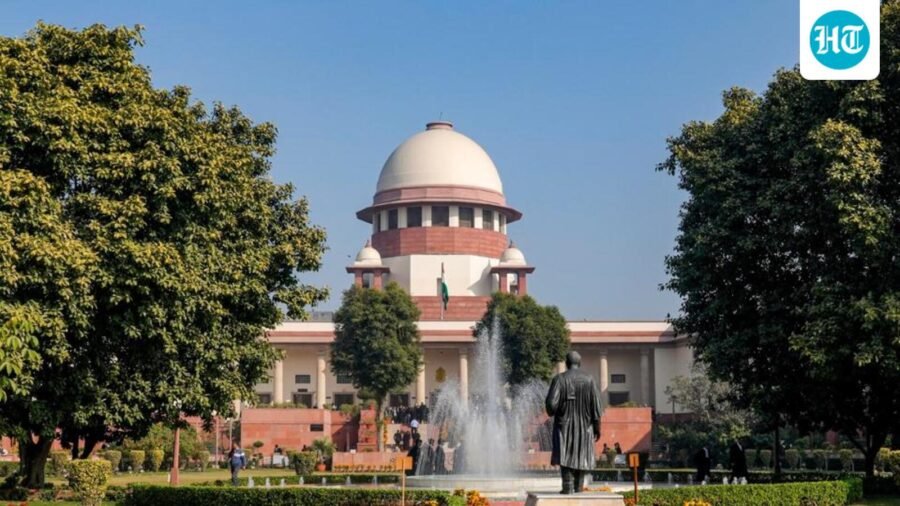
The state in its application before the high court said that the decision for withdrawal was taken in public interest
Published on: Sep 9, 2026, 18:03:07 IST
Prefer HTon Google
Share via
Copy link
The Supreme Court on Wednesday allowed withdrawal of 65 criminal cases against former and sitting politicians in Himachal Pradesh on finding that none of the cases involved grave or heinous crimes.
Allowing the Himachal Pradesh government’s application moved in 2024 to close the 65 cases against former and sitting MPs and MLAs, the bench headed by Chief Justice of India (CJI) Surya Kant said, “None of the cases shows any grave or heinous crimes nor any remote suggestion that the accused are hardened criminals or have indulged in repeat offences,”
As the matter pertained to elected representatives, the court noted that on August 10, 2021, the top court in a case (Ashwini Kumar Upadhyay v Union of India) monitoring speedy trial of criminal cases against MPs/MLAs directed that for withdrawal of prosecution against any former or sitting legislators, the prosecution of the concerned state will have to seek prior permission of the concerned high court.
This was a unique requirement court introduced to avoid misuse of power provided for withdrawal of prosecution under section 321 of the Code of Criminal Procedure (CrPC),
The state approached the high court in 2024. The high court on April 26, 2024 allowed withdrawal in 15 cases, leaving a balance of 45 cases. The remaining five cases were disposed of by the trial court.
After two years of the high court’s judgment, the state led by additional advocate general (AAG) Vaibhav Srivastava informed the court that effectively, only 39 cases survived out of 45 as during the pendency of the matter in the top court, the trial in six cases either ended in acquittal or the accused were discharged.
The bench, also comprising justices Joymalya Bagchi and V Mohana classified the 65 cases registered during the COVID-19 pandemic under four heads, namely cases under section 269 of Indian Penal Code (IPC) which relate to acts likely to spread infection; section 352 of IPC pertaining to assault or criminal force against public servants with not a single instance of any injury or assault recorded; sections 504 and 506 relating to breach of peace and criminal intimidation and staging of dharnas (protests) forbidden under National Highways Act; and section 51 of the Disaster Management Act where the public representatives burnt effigies in public places.
The bench said, “On perusal of allegations in these FIRs, we find all incidents pertain to COVID-19 pandemic period that was an exceptional condition with unforeseen circumstances where people, including public representatives, were in distress in different manner.”
The court permitting the state’s request for withdrawal of prosecution said, “Continuation of prosecution in these cases will not serve the cause of administration of justice. On the other hand, it will slow the progress of trial in other serious cases which courts are expected to decide finally.”
The state in its application before the high court said that the decision for withdrawal was taken in public interest after consulting the public prosecutors and district attorneys. The high court noted that in some cases, the district attorneys did not consent to the withdrawal.
Also, the high court relied on Supreme Court judgment of August 2021 which spoke about an independent opinion to be formed by the public prosecutor before seeking the court’s consent to withdraw. In the bulk of the 65 cases, the high court found this requirement missing as it observed that the power exercised by the prosecution under section 321 CrPC should serve the larger public motive and not any political gain.
See Less

Gujarat team appreciates APCNF natural farming model in Andhra Pradesh
By Sohail Khan · 9 Sep
In Bengaluru, many waste collectors not paid for four months
By Sohail Khan · 9 Sep
Leave a Reply