Randeep Hooda says becoming a girl dad made him more protective: ‘Want to live longer for her’
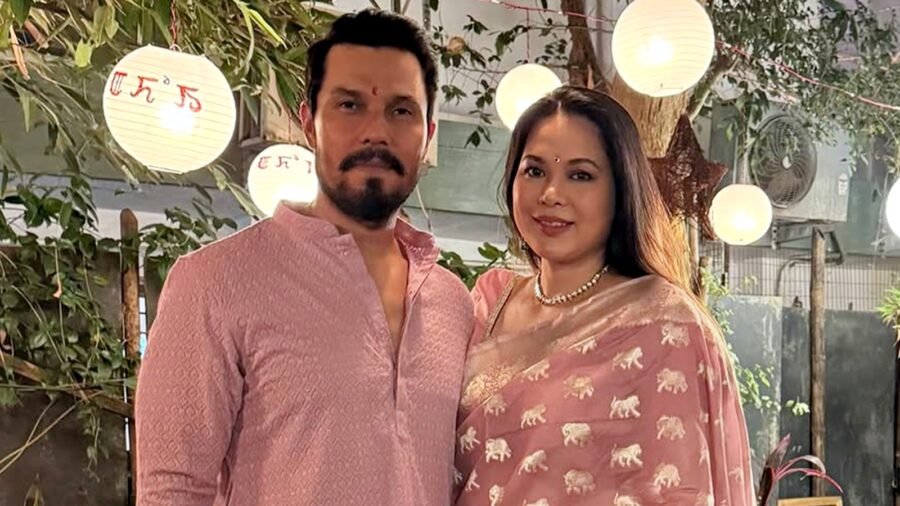
Becoming a parent often reshapes priorities in ways people do not always anticipate. For many, it can bring a heightened sense of responsibility, a stronger instinct to protect, and a shift in how they think about health, time and the future. Actor Randeep Hooda recently opened up about some of these changes after embracing fatherhood for the first time. Randeep married Lin Laishram in 2023, and the couple welcomed their daughter, Nyomica, in March this year.
Announcing her birth earlier, Randeep had shared an emotional note reflecting on family and gratitude. Alongside a picture of his father holding the newborn, he wrote, “Today, as I become a father, my appreciation for you has only grown deeper, Papa. And most importantly, Lin, thank you for making me a father and for bringing our little girl into this world. A little girl and a lifetime of love.”
Story continues below this ad
More recently, while speaking to SCREEN during promotions for Inspector Avinash, Randeep described how fatherhood has already begun changing him emotionally. When asked what had shifted after becoming a girl dad, he candidly said, “Apart from the fact that my first instinct was to buy a gun, definitely there is a bit more tenderness that has come about. I want to be fitter and live longer for her, and I want to make her prouder than possibly my mother was.”
But why does parenthood trigger these changes, and what happens psychologically during this transition?
Sonal Khangarot, licensed rehabilitation counsellor and psychotherapist, The Answer Room, tells indianexpress.com, “Parenthood is not just the birth of a child but the birth of an entirely new identity. Psychologically, this transition heightens responsibility, emotional vigilance, and attachment. The brain becomes more attuned to detecting threats, which is why many new parents suddenly become more protective or anxious about safety, health, routines, and the future.”
On paying greater attention to their health and lifestyle after having children
For many people, Khangarot notes, becoming a parent creates a deep psychological shift from living primarily for oneself to feeling responsible for another human being’s future and emotional security. “This often changes how individuals think about health, ageing, risk, and longevity. Wanting ‘to live longer’ after having a child is emotionally tied to the desire to be present for milestones, provide stability, and protect the family. Parenthood can make the future feel more real and personal, which increases motivation to take better care of one’s body and mind.”
Psychologically, children also become a mirror. Khangarot mentions that parents often become “more aware that their habits around sleep, stress, food, exercise, or substance use will indirectly shape their child’s environment and behaviour.” In Indian families especially, where parenting is strongly linked with duty and caregiving, many parents feel a renewed sense of purpose after childbirth.
Story continues below this ad
How to not become overly anxious, fearful, or controlling as the child grows up
A healthy balance comes when parents learn to separate real danger from imagined fear. Instead of trying to eliminate every discomfort from a child’s life, emotionally secure parenting focuses on teaching coping, communication, and problem-solving skills.
“Children grow best when they feel both safe and trusted. Parents who regulate their own anxiety are less likely to become overly fearful or controlling. It also helps when parents remain aware that growth involves mistakes, frustration, and gradual independence. Protecting a child should not mean preventing them from experiencing life, but helping them feel supported while learning to navigate it,” concludes Khangarot.

Don’t buy a lab-grown diamond before checking these 7 things
By Sohail Khan · 29 Sep
Towards a gender just Uniform Civil Code
By Sohail Khan · 29 Sep
Essar eyes $18-billion US steel plant: Why Indian firms are investing in US amid tariffs
By Sohail Khan · 29 Sep