Possible Love: Living in an era where ‘we lose our sense of self’
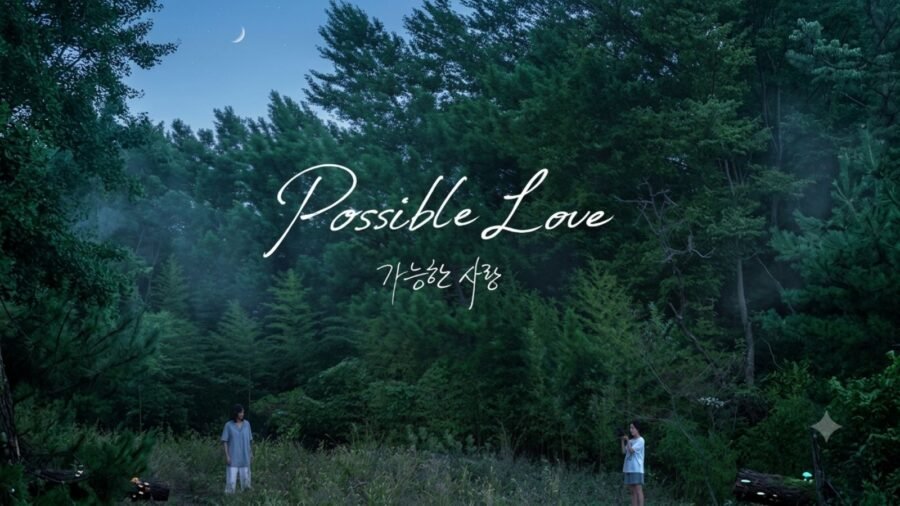
When South Korean film director Lee Chang-dong first encountered the news of a mass layoff at a Korean car company nearly eight years ago, followed by a workers’ strike and a crackdown by the authorities, he was deeply shaken.
For him, this was not just another labour dispute. He believed it was a critical event that could alter the fate of the labour movement in Korea and bring about a significant change in the country’s industrial structure.
Chang-dong, whose last movie Burning (2018) was shortlisted for an Oscar, wanted to make a film about disappearing labour as technology advances and class divides. He wrote a screenplay and even started the production process at that time. But somewhere along the way, he began questioning whether he was the right person to tell the story and that paused the process of making it.
Story continues below.
Subscribe to see fewer ads.
Talking about the making of Possible Love after its premiere at the 51st Toronto International Film Festival (TIFF) last night, the director-writer also questioned whether he was worthy of dramatising the pain of these people rather than addressing it through commentary.
“How am I going to tell their story from their perspective? How much of their pain do I empathise with, and how honest am I in telling the story? I was unable to answer those doubts I had at the time,” says the 72-year-old filmmaker.
Years later, the question of disappearing labour continued to occupy him. His co-writer, Oh Jung-mi, suggested approaching the story through a documentary filmmaker who tries to document the lives of a laid-off worker and his wife. This led to two couples observing each other from distinct points of view.
This also gave Chang-dong a new storytelling structure through which he could examine his own responsibility as a filmmaker. The film, he realised, could explore not only lives of its characters but also the attitude filmmakers should have when telling someone else’s story.
Story continues below this ad
Possible Love is selected as the South Korean entry for the Best International Feature Film category for the 99th Academy Awards. It also recently won the Grand Jury Prize and the FIPRESCI Prize at the Venice International Film Festival.
To play Ho-seok, the factory worker who loses his job, the director approached Sul Kyung-gu in late March last year, and the actor wanted to be part of the project “no matter what”. The film reunited the two 23 years after they worked together on Oasis (2002). Cho Yeo-jeong, (of Parasite fame), plays the documentary filmmaker, while Zo In-sung plays her wealthy husband.
“Despite the many years that have passed, the story feels so relevant today. I believe human beings, through what they do for work, tend to find their sense of self and their place in the world. … Then we think about how labour is disappearing, how workers are disappearing. We are living in an era where we lose so much of our sense of self. We feel like we have an empty soul,” says Chang-dong, who has directed acclaimed films including Oasis (2002), Secret Sunshine (2007) and Poetry (2010).
“Everybody sees technology as development. But it’s going to be problem. However, in reality, it causes a structural change in our world to a point where, without even knowing it, it affects our lives,” says the filmmaker.

Mahakavya Shri Ramayana Katha: Chhattisgarhi retelling arrives before Rs 4000 cr Ramayana
By Sohail Khan · 17 Sep


Leave a Reply