Paediatrician lists common childhood infections that can progress to sepsis: From pneumonia to UTIs

Paediatrician lists common childhood infections that can progress to sepsis: From pneumonia to UTIsUpdated on: Sep 20, 2026, 16:26:10 IST
Prefer HTon Google
Share via
Copy link
Sepsis is when the immune system overreacts and starts harming healthy tissues and organs; Dr Singla shares four infections that can trigger it in children.
Sepsis is a life-threatening condition caused by the overreaction of the immune system following an infection. It is when the immune system, while fighting the infection, starts to damage healthy tissues and organs.
According to the Cleveland Clinic website, newborns and infants are one of the groups who are at high risk for sepsis. In an interaction with Lifestyle, paediatrician Dr Sushil Singla listed some of the common infections that can lead to sepsis.
1. Pneumonia
Pneumonia is an important childhood infection that parents should watch closely for, particularly when symptoms are severe or worsening, cautioned Dr Singla.
“A child with pneumonia may develop fever, cough, rapid or difficult breathing, chest discomfort and unusual fatigue or weakness. If the infection becomes severe or spreads into the bloodstream, the child’s condition can deteriorate quickly,” he stated.
The paediatrician noted that parents should seek immediate medical attention if the child is struggling to breathe, is unable to drink or feed adequately, develops bluish lips or skin, or becomes unusually drowsy, less responsive or difficult to wake.
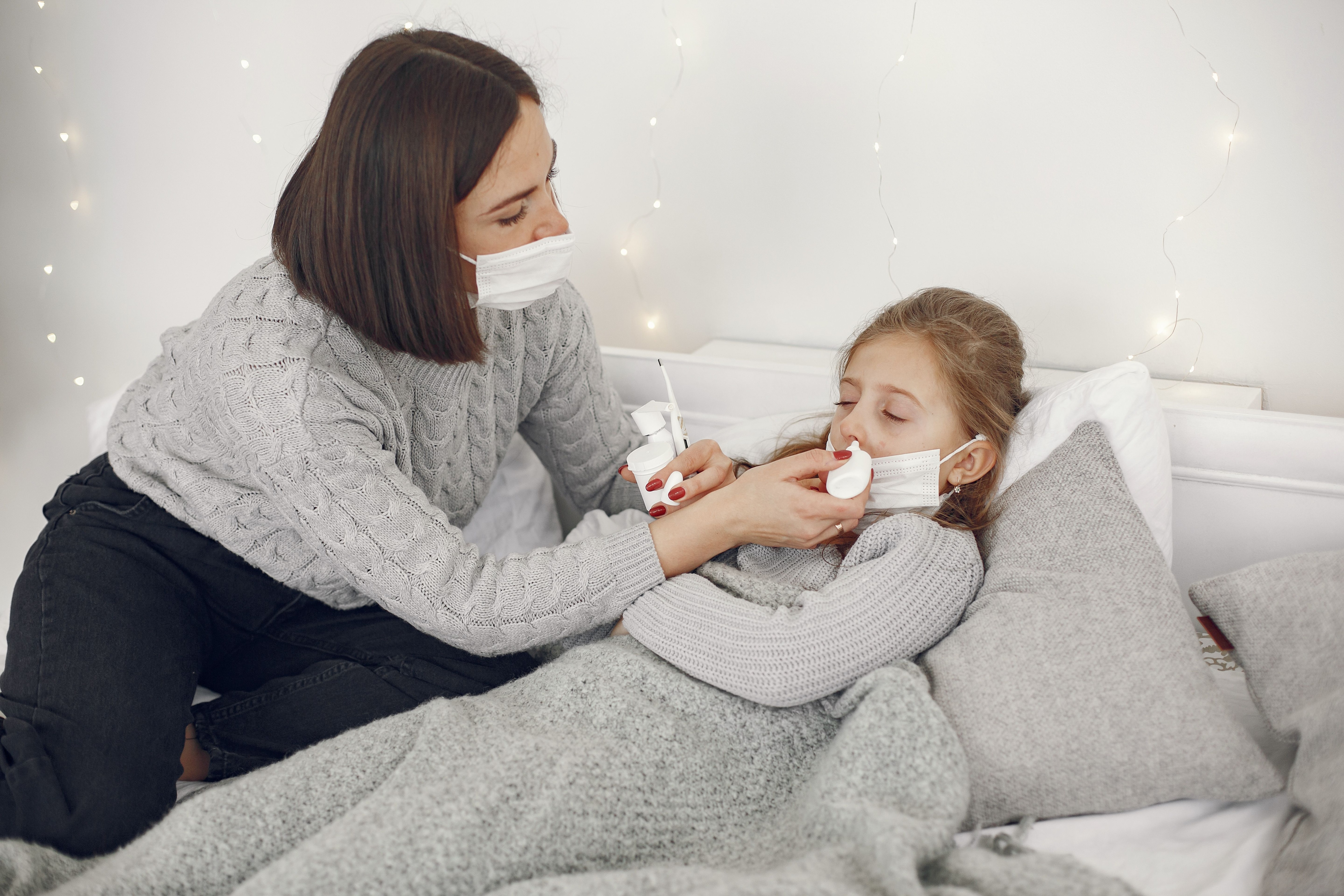
2. Urinary tract infections (UTIs)
UTIs can also become serious if they are not identified and treated promptly, warned Dr Singla, highlighting that the symptoms may vary depending on the child’s age.
“Older children may complain of burning or pain while urinating, increased frequency or urgency of urination, abdominal or back pain, and fever,” he stated. “In infants and very young children, the signs can be less specific and may include fever, poor feeding, vomiting, irritability or unusual lethargy.”
If a UTI involves the kidneys or remains untreated, the infection can potentially spread to the bloodstream and lead to a more serious systemic infection, cautioned the paediatrician.
3. Meningitis
According to Dr Singla, meningitis requires urgent medical evaluation because inflammation involving the tissues surrounding the brain and spinal cord can progress rapidly.
“High fever, severe headache, repeated vomiting, neck stiffness, sensitivity to light, confusion, seizures or marked drowsiness are important warning signs. In infants, however, the symptoms may be less typical. Poor feeding, excessive irritability, a weak cry, reduced responsiveness or an unusual change in behaviour may be the first indications that something is wrong,” he stated.
4. Gastrointestinal infections
Severe gastrointestinal infections can also occasionally progress to sepsis, particularly when they cause significant dehydration or other complications, noted Dr Singla.
“Persistent vomiting or diarrhoea, blood in the stool, very low urine output, extreme weakness or a child who appears increasingly unwell should not be ignored,” he cautioned.
What should parents look out for?
To detect the risk of sepsis early, Dr Singla suggested parents look beyond the symptoms of the initial infection for signs that suggest the child’s overall condition is worsening. These may include:
- Unusually fast or difficult breathing
- A very fast or unusually slow heart rate
- Marked lethargy or confusion
- Cold or mottled skin
- Significantly reduced urine output
- Persistent fever or an abnormally low body temperature.
“A child who simply appears much more unwell than expected for a routine infection also warrants prompt medical assessment,” he stated, adding, “Newborns, children below five years of age, children with weakened immunity and those with underlying medical conditions may be at greater risk of developing severe infections. However, sepsis can occur in previously healthy children as well.”
Note to readers: This article is for informational purposes only and not a substitute for professional medical advice. Always seek the advice of your doctor with any questions about a medical condition.
Dr Sushil Singla is the director of the paediatrics department at Sarvodaya Hospital, Sector-8, Faridabad. He has over 28 years of clinical experience.
Catch every big hit, every wicket with Crick-it, a one stop destination for Live Scores, Match Stats, Quizzes, Polls & much more. Explore now!.
Catch your daily dose of Fashion, Taylor Swift, Health, Festivals, Travel, Relationship, Recipe and all the other Latest Lifestyle News on Website and APPs.
See Less

Waking up with a numb arm? Doctor shares when it could be a serious health issue
By Sohail Khan · 21 Sep


Leave a Reply